




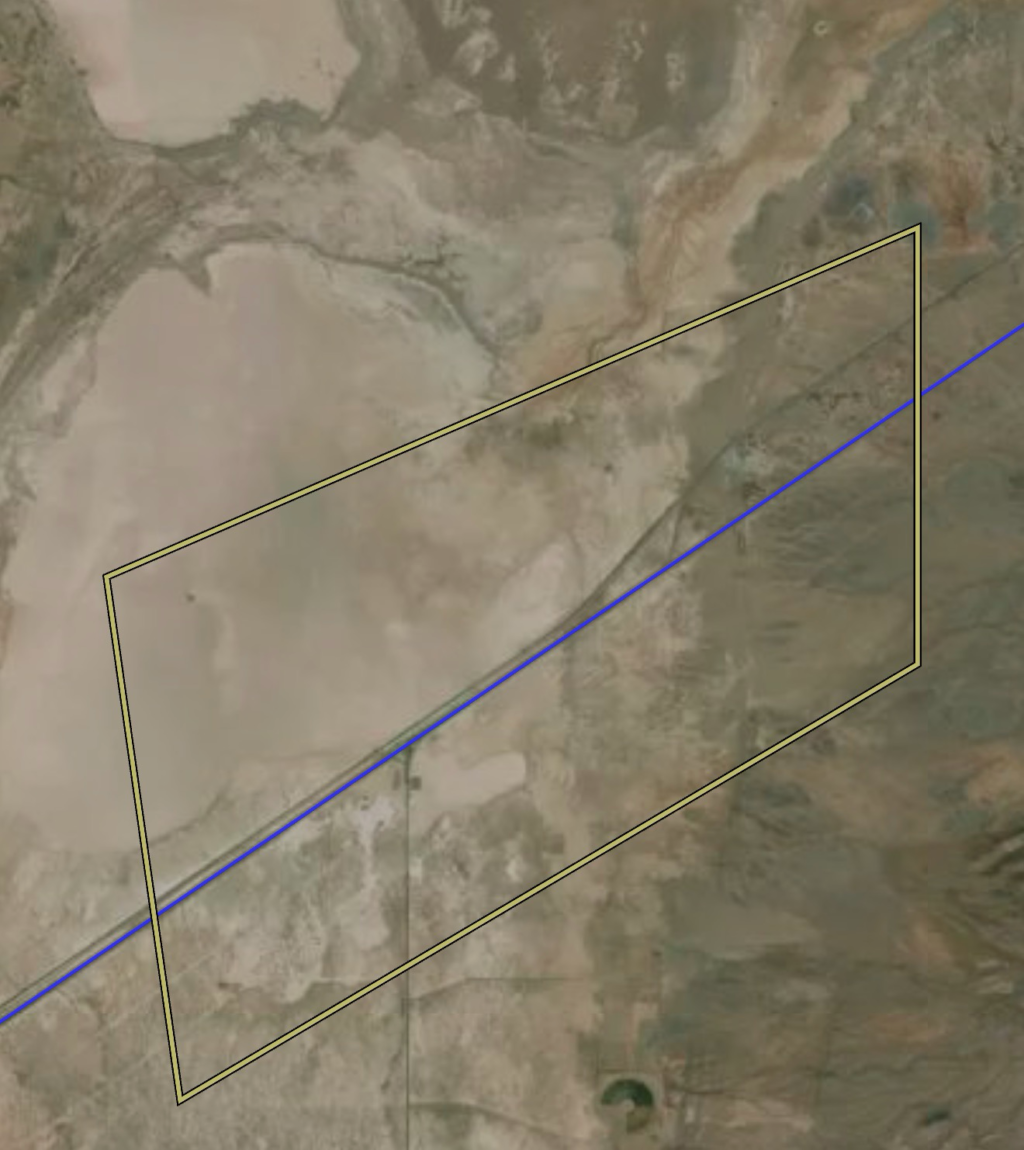
Dust Storm Warning in Effect for Hidalgo County, New Mexico
A Dust Storm Warning has been issued for Hidalgo County, New Mexico, where powerful winds are producing widespread blowing dust and creating extremely hazardous travel conditions. Motorists traveling through the area should be prepared for sudden drops in visibility that can occur within seconds, making highways especially dangerous.
The warning primarily impacts portions of southwestern New Mexico, including stretches of Interstate 10, a corridor well known for dangerous dust storm events. Winds can lift loose desert soil into the air, producing dense walls of dust—commonly referred to as haboobs—that significantly reduce visibility and increase the risk of multi-vehicle accidents.
Why Dust Storms Are So Dangerous
Dust storms are among the Southwest’s fastest-developing weather hazards. Visibility can fall from several miles to nearly zero in less than a minute, leaving drivers with little time to react.
Hazards include:
- Near-zero visibility
- Dangerous highway travel
- Increased risk of chain-reaction crashes
- Strong wind gusts carrying debris
- Difficult conditions for emergency responders
Travel Safety Tips
If you encounter blowing dust while driving:
- Slow down immediately.
- If visibility becomes too poor, safely pull completely off the roadway.
- Turn off headlights and taillights after stopping.
- Shift into park and keep your foot off the brake pedal.
- Remain inside your vehicle until the dust storm passes.
Areas Impacted
The Dust Storm Warning affects portions of:
- Hidalgo County, New Mexico
- Interstate 10 corridor near the Arizona-New Mexico border
- Rural communities throughout southwestern New Mexico
Drivers crossing the state line between Arizona and New Mexico should remain alert for rapidly changing conditions.
Radar Watch HQ Weather Update
Radar Watch HQ continues monitoring hazardous weather across the Southwest, including dust storms, severe thunderstorms, flash flooding, and high wind events. Residents and travelers are encouraged to monitor the latest warnings and postpone unnecessary travel whenever visibility becomes dangerously low.