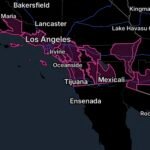
Southern California Coastal Hazard: Small Craft Advisory in Effect
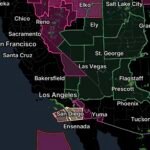
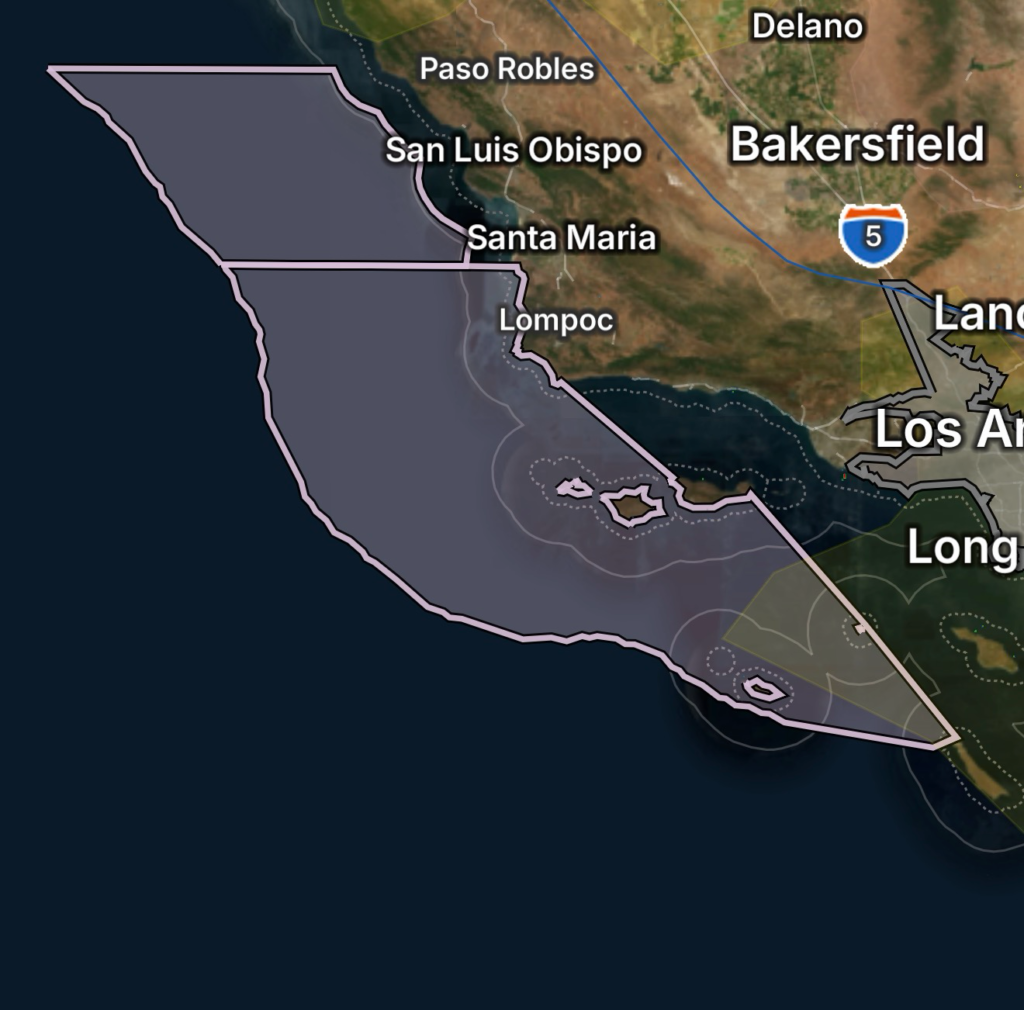
A Small Craft Advisory has been issued across portions of Southern California’s coastal waters, signaling increasingly hazardous marine conditions for boaters, anglers, and recreational vessels. The advisory highlights a period of rough seas, elevated winds, and unstable ocean conditions that can quickly turn dangerous for smaller watercraft operating nearshore and offshore zones.
Marine weather alerts like this are issued when conditions are expected to create unsafe navigation, particularly for smaller boats that are more vulnerable to shifting wind patterns and choppy seas.
What Is Driving the Coastal Hazard?
Southern California’s coastal hazard pattern is being driven by a combination of:
- Strengthening onshore and offshore wind shifts
- Building swell energy from the Pacific
- Local pressure changes along the coastal waters
- Lingering marine instability affecting channel waters and offshore zones
These conditions can produce steep waves, choppy seas, and sudden wind gusts, especially in exposed areas such as the Santa Barbara Channel, Catalina waters, and outer coastal zones.
Areas Typically Affected
While conditions vary by event, Small Craft Advisories in Southern California commonly impact:
- Santa Barbara Channel
- Point Mugu to Point Conception waters
- Catalina Island and surrounding inner waters
- Offshore zones extending several nautical miles from the mainland
These regions are heavily trafficked by recreational boaters and commercial vessels, making early awareness critical.
Marine Impacts and Safety Risks
A Small Craft Advisory is not just a precaution—it signals real operational risk on the water. Expected impacts include:
- Waves building to hazardous heights for small vessels
- Strong, inconsistent wind gusts reducing steering control
- Short-period chop leading to unstable navigation
- Increased risk of capsizing or mechanical strain on small boats
The National Weather Service advises inexperienced mariners and small craft operators to avoid navigating in these conditions until the advisory expires.
Coastal Conditions Beyond Boating
Even for those staying onshore, these marine patterns can influence beach conditions, including:
- Strong rip currents
- Higher-than-normal surf on west and south-facing beaches
- Dangerous shore break conditions near jetties and piers
Beachgoers are urged to stay alert and follow local lifeguard guidance, especially during periods of elevated swell energy.
When Will Conditions Improve?
Small Craft Advisories are typically short-lived, often lasting several hours to a day, depending on wind decay and wave reduction. As the system weakens or shifts offshore, seas gradually stabilize, allowing safer marine operations to resume.
Bottom Line
Southern California’s coastal waters are currently under a Small Craft Advisory due to hazardous marine conditions, making boating risky for smaller vessels. Even short-term changes in wind and wave patterns can significantly impact safety, so staying updated on marine forecasts remains essential.
For real-time updates, always monitor National Weather Service coastal waters forecasts before heading offshore.
Top 5 Radar Watch HQ Essential Items (Small Craft Advisory / Coastal Hazard)
Affiliate Disclosure: As an Amazon Associate, Radar Watch HQ earns from qualifying purchases.
When a Small Craft Advisory is in effect along Southern California’s coast, conditions can shift quickly from manageable to dangerous. These essentials help boaters, anglers, and coastal users stay prepared, visible, and connected to real-time updates.
1. Marine-Grade Handheld NOAA Weather Radio
A waterproof NOAA weather radio is the fastest way to receive real-time marine warnings, including sudden advisory upgrades or gale warnings. It keeps working even if cell service drops offshore.
2. Waterproof VHF Marine Radio
A VHF radio is a critical safety tool for direct communication with the Coast Guard and nearby vessels. In coastal hazard conditions, it becomes the primary emergency lifeline when visibility or navigation worsens.
3. Personal Locator Beacon (PLB) or AIS Man Overboard Device
If conditions intensify unexpectedly, a PLB or AIS beacon can transmit your exact location to rescue services. This is especially important in rough surf zones and offshore wind events.
4. High-Visibility Waterproof Safety Gear
Bright waterproof jackets, life vests with reflective strips, and waterproof emergency lights significantly improve visibility in choppy seas, fog, or low-light coastal conditions.
5. Portable Power Bank with Solar Charging Capability
Marine alerts evolve quickly, and staying powered is essential. A rugged solar-compatible power bank ensures your phone, GPS, and emergency apps remain active throughout the trip.
Why These Matter During Coastal Hazards
Small Craft Advisories often come with:
- Sudden wind gusts
- Rapid wave height increases
- Reduced visibility near shore and channel waters
- Strong rip currents along beaches
Having the right gear ensures you’re not relying on conditions staying predictable—they rarely do during active marine weather systems.