


Canada Tornadoes: Severe Weather Threat Continues Across Multiple Provinces
Canada’s severe weather season remains active as tornadoes and dangerous thunderstorms continue to impact several provinces. Recent tornado reports and investigations in Saskatchewan and Ontario highlight the growing risk of severe weather as warm, humid air combines with powerful storm systems across the country.
Meteorologists continue to monitor conditions closely as additional rounds of thunderstorms capable of producing damaging winds, large hail, torrential rainfall, and isolated tornadoes remain possible throughout the summer.
Saskatchewan Sees Multiple Tornado Reports
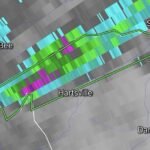
Environment Canada confirmed that at least two tornadoes touched down in Saskatchewan following an outbreak of severe thunderstorms. Tornadoes were reported near the communities of Coleville and Denzil, where rotating supercell thunderstorms developed over southern portions of the province.
Emergency officials urged residents to remain alert as additional severe thunderstorms continued moving across the region with the potential for more tornado development.
Ontario Tornado Investigations Continue
In Ontario, storm survey teams have confirmed additional tornado activity following powerful thunderstorms. One tornado near Verona, Ontario, tracked approximately 18.2 kilometers, making it one of Canada’s longest tornado paths recorded so far in 2026.
Elsewhere in eastern Ontario, investigators examined widespread storm damage after powerful thunderstorms moved through the Kingston region to determine whether additional tornadoes had touched down.
Why Tornadoes Form in Canada
Although many people associate tornadoes with the central United States, Canada experiences an average of around 60 tornadoes each year, making it the country with the second-highest tornado frequency in the world.
The highest tornado risk typically occurs during:
- Southern Ontario
- Saskatchewan
- Manitoba
- Alberta
- Southern Quebec
Peak tornado season generally runs from late spring through the summer months, when warm, moist air collides with cooler air masses and strong upper-level winds.
Tornado Safety Tips
If a tornado warning is issued for your location:
- Move immediately to a basement or the lowest level of a sturdy building.
- Stay away from windows and exterior walls.
- Protect your head and neck with blankets, pillows, or a helmet.
- Avoid mobile homes and vehicles whenever possible.
- Monitor trusted weather sources for updated warnings and emergency information.
Forecast Outlook
Meteorologists expect Canada’s severe weather season to remain active throughout the coming weeks as favorable atmospheric conditions continue across portions of the Prairies and southern Ontario. Residents should stay weather-aware, especially during afternoon and evening hours when severe thunderstorms are most likely to develop.
Radar Watch HQ Top 5 Essential Emergency Preparedness Picks
Affiliate Disclosure: As an Amazon Associate, Radar Watch HQ earns from qualifying purchases.
Whether you’re preparing for severe thunderstorms, flash flooding, hurricanes, wildfires, or extended power outages, these five emergency essentials can help keep your household safer when severe weather strikes.
A portable power station provides reliable backup electricity during outages, allowing you to power phones, medical devices, laptops, lights, small appliances, and communication equipment without fuel.
Best for:
- Extended power outages
- Severe thunderstorms
- Hurricanes
- Winter storms
- Wildfires
2. Flood Protection Barriers & Sandless Flood Bags
Flood barriers help divert or absorb water before it enters garages, doorways, and low-lying areas. They deploy quickly and can help reduce property damage during flash flooding.
Best for:
- Flash Flood Warnings
- Heavy rainfall
- River flooding
- Coastal flooding
3. Rechargeable LED Flashlights
Bright, dependable flashlights are essential when the power goes out. Rechargeable or solar-powered models provide long-lasting illumination for navigating safely indoors and outdoors.
Best for:
- Overnight power outages
- Emergency evacuations
- Storm damage inspections
Keep phones, tablets, weather radios, and USB-powered devices charged when the electrical grid is unavailable. A solar power bank offers an additional charging option during prolonged emergencies.
Best for:
- Communication during outages
- Emergency weather alerts
- Travel and evacuation
A NOAA Weather Radio delivers official weather alerts directly from the National Weather Service, even when cellular networks or internet service are unavailable. It remains one of the most dependable ways to receive life-saving warnings.
Best for:
- Tornado warnings
- Severe thunderstorm warnings
- Flash flood warnings
- Hurricane alerts
- Winter storm emergencies
Why Radar Watch HQ Recommends These Essentials
At Radar Watch HQ, preparedness is just as important as staying informed. These five emergency essentials can help you stay connected, protect your property, and safely navigate severe weather events. Having supplies ready before storms arrive allows you to respond quickly when warnings are issued and conditions begin to deteriorate.