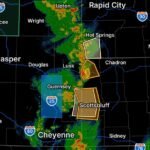
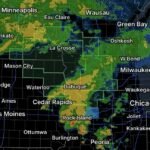
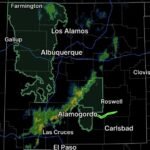

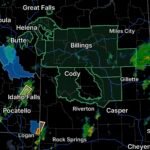
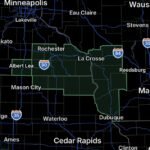
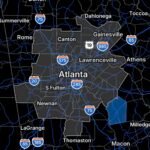
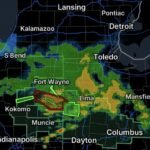
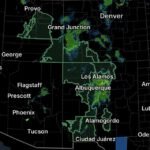
Wildfire Weather Explained: Understanding Red Flag Warnings, Fire Weather Watches, and Dangerous Fire Conditions
Wildfires Continue to Spread Amid Dangerous Fire Weather Conditions
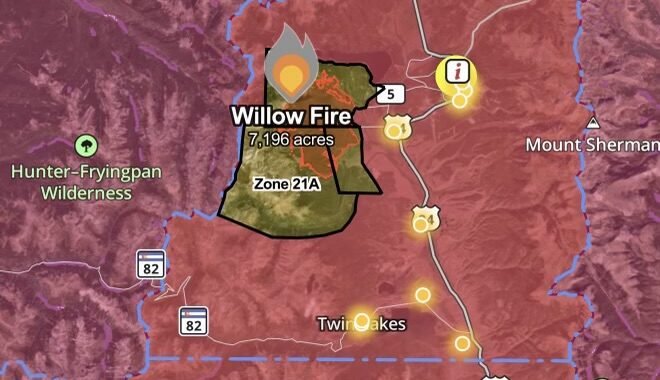
Across many parts of the United States, wildfire activity continues to increase as hot temperatures, dry vegetation, and strong winds create ideal conditions for rapid fire growth. While lightning and human activity can ignite fires, weather often determines how quickly those fires spread and how difficult they become to control.
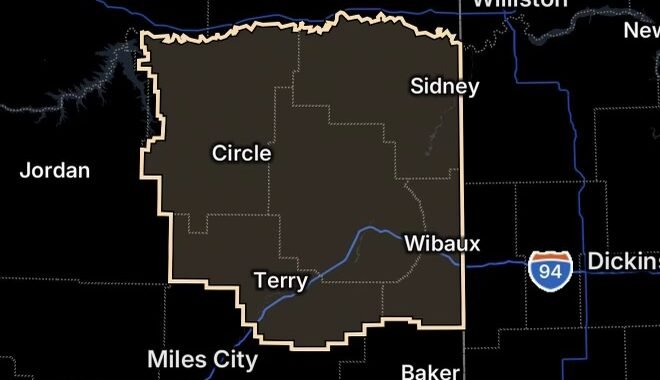
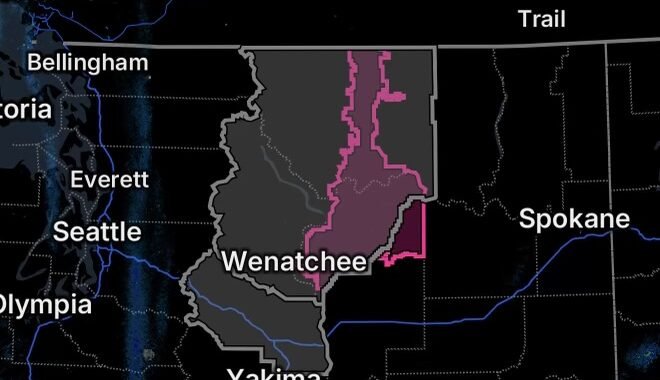
Meteorologists and emergency managers closely monitor fire weather conditions to help protect communities, firefighters, and critical infrastructure. When conditions become especially dangerous, alerts such as Fire Weather Watches and Red Flag Warnings are issued.
Understanding these alerts can help residents prepare before a wildfire threatens their area.
What Is Wildfire Weather?
Wildfire weather refers to a combination of atmospheric conditions that increase the likelihood of wildfire ignition and rapid fire spread.
Several key ingredients contribute to wildfire weather:
Strong Winds
Wind is one of the most important factors in wildfire behavior. Strong gusts can:
- Push flames rapidly across landscapes
- Carry burning embers long distances
- Create spot fires ahead of the main fire
- Make firefighting operations more difficult
Low Humidity
Humidity measures the amount of moisture in the air. When humidity levels drop, vegetation dries out more quickly and becomes easier to ignite.
Dry Vegetation
Grasses, shrubs, leaves, and forests act as fuel for wildfires. Extended periods without rainfall can turn vegetation into highly flammable fuel.
Hot Temperatures
Heat accelerates drying and can increase fire intensity once a wildfire starts.
Drought Conditions
Long-term drought significantly increases wildfire risk by reducing moisture in soils and vegetation.
What Is a Fire Weather Watch?
A Fire Weather Watch is issued by the National Weather Service when weather conditions are expected to become favorable for dangerous wildfire growth within the next 12 to 72 hours.
A Fire Weather Watch means:
- Critical fire weather conditions are possible.
- Residents should review emergency plans.
- Outdoor burning should be avoided.
- Fire agencies should prepare for elevated wildfire potential.
Think of a Fire Weather Watch as an early alert that dangerous fire conditions may develop soon.
What Is a Red Flag Warning?
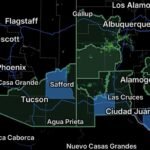
A Red Flag Warning is one of the most serious fire weather alerts issued by the National Weather Service.
This warning means critical fire weather conditions are occurring now or are expected shortly.
Typical Red Flag Warning criteria include:
- Strong sustained winds
- Very low relative humidity
- Extremely dry fuels and vegetation
Under Red Flag Warning conditions:
- Any fire that starts can spread rapidly.
- Wildfires may become difficult to contain.
- Outdoor burning is strongly discouraged.
- Residents should remain alert for evacuation notices.
A Red Flag Warning does not mean a wildfire is currently burning in your area. Instead, it means conditions are favorable for explosive wildfire growth if a fire starts.
Fire Weather Watch vs. Red Flag Warning
| Alert | Meaning |
| Fire Weather Watch | Dangerous fire weather conditions are possible in the coming days. |
| Red Flag Warning | Dangerous fire weather conditions are occurring or imminent. Immediate caution is needed. |
The progression often follows:
Normal Conditions → Fire Weather Watch → Red Flag Warning
Why Wildfires Spread So Quickly
Many people are surprised by how rapidly wildfires can move. Under extreme fire weather conditions, flames can travel faster than a person can run.
Factors that contribute to rapid wildfire spread include:
- Wind-driven fire fronts
- Steep terrain
- Dense vegetation
- Dry fuels
- Low humidity
- Extreme heat
In some cases, burning embers can travel miles ahead of the main fire, igniting new fires and overwhelming firefighting resources.
Wildfire Safety Tips
If you live in a wildfire-prone area:
Prepare an Emergency Kit
Include:
- Water
- Medications
- Flashlights
- Portable chargers
- Important documents
- Pet supplies
Stay Informed
Monitor:
- National Weather Service alerts
- Local emergency management agencies
- Wildfire evacuation notices
- Radar Watch HQ updates
Create Defensible Space
Reduce vegetation near homes by:
- Trimming trees and shrubs
- Removing dead vegetation
- Cleaning roofs and gutters
- Maintaining fire-resistant landscaping
Know Your Evacuation Routes
Have multiple evacuation plans and leave immediately if officials issue an evacuation order.
Looking Ahead
As summer heat intensifies and drought conditions persist in many regions, wildfire weather will remain a significant concern. Fire Weather Watches and Red Flag Warnings serve as critical tools for alerting the public before conditions become life-threatening.
Understanding these alerts and preparing in advance can help save lives and protect property when wildfire threats emerge.
Stay with Radar Watch HQ for the latest fire weather updates, wildfire tracking, and emergency information across the United States.