


Dust Storm Creates Hazardous Travel Across Southeast New Mexico and West Texas
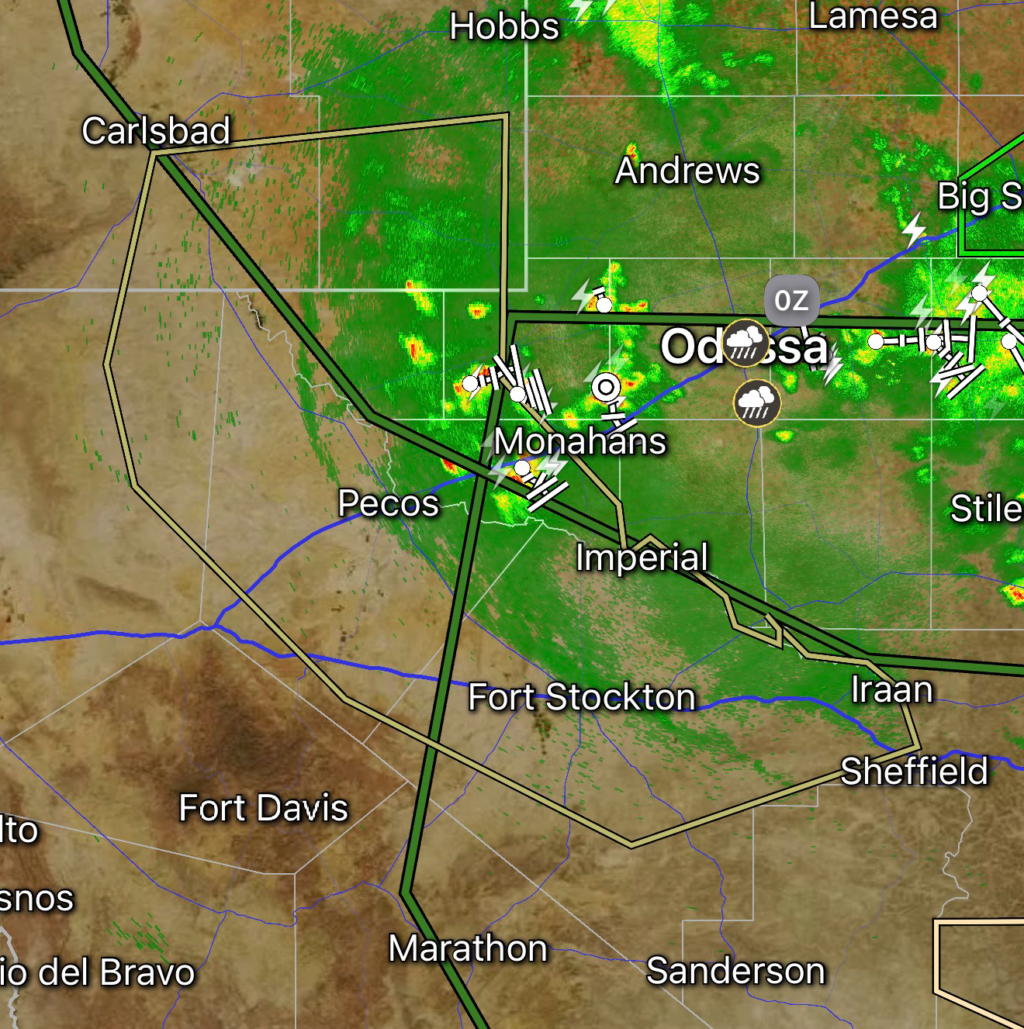
A widespread dust storm is impacting portions of southeast New Mexico and west Texas, creating dangerous travel conditions as strong winds lift loose desert soil into the atmosphere. Motorists should prepare for rapidly changing visibility, especially along open highways where blowing dust can reduce visibility to near zero in a matter of seconds. Reports indicate blowing dust is affecting parts of the Permian Basin and surrounding desert regions. (Facebook)
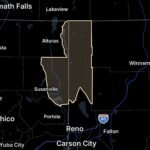
Areas Impacted
New Mexico
- Eddy County
- Lea County
Texas
- Culberson County
- Loving County
- Pecos County
- Reeves County
- Upton County
- Ward County
- Winkler County
These counties are especially vulnerable to blowing dust due to their dry landscapes, sparse vegetation, and strong wind patterns common across the Chihuahuan Desert and Permian Basin. (Facebook)
What Is Causing the Dust Storm?
Strong winds moving across extremely dry ground are lifting loose topsoil and sand into the air, creating large dust plumes. During the summer months, these conditions frequently develop ahead of thunderstorms or behind strong wind fronts across southeast New Mexico and west Texas.
Dust storms can develop quickly, often with little warning, creating sudden reductions in visibility that make driving extremely dangerous.
Travel Hazards
Drivers traveling through the affected counties should expect:
- Visibility dropping below one-quarter mile
- Sudden “walls of dust” crossing highways
- Difficult driving conditions for high-profile vehicles
- Increased risk of multi-vehicle crashes
- Reduced visibility during sunset and nighttime hours
Major highways throughout the region may experience rapidly changing conditions as blowing dust shifts with the wind.
Dust Storm Safety Tips
If you encounter blowing dust while driving:
- Slow down immediately.
- Turn on your headlights.
- Increase following distance.
- Avoid sudden braking.
- If visibility becomes zero, safely pull completely off the roadway if possible.
- Set the parking brake and turn off your lights so other drivers do not mistakenly follow your vehicle off the road.
Residents with asthma, COPD, or other respiratory conditions should remain indoors whenever possible and keep windows closed until dust concentrations decrease.
Radar Watch HQ Weather Update
Radar Watch HQ continues monitoring weather conditions across southeast New Mexico and west Texas as strong winds continue producing areas of blowing dust. Additional weather changes may occur if thunderstorms develop later in the day, potentially producing strong outflow winds capable of creating new dust storms.
Stay with Radar Watch HQ for the latest severe weather alerts, live radar updates, and breaking weather coverage across New Mexico and Texas.
Radar Watch HQ: Top 5 Dust Storm Essentials
Affiliate Disclosure: As an Amazon Associate, Radar Watch HQ earns from qualifying purchases.
When blowing dust impacts areas across New Mexico and West Texas, conditions can shift fast. Radar Watch HQ recommends keeping these essentials ready for safety and visibility protection:
Protects your lungs from fine particulate matter during heavy blowing dust and low-visibility conditions.
Helps shield your eyes from sand, debris, and airborne dust that can cause irritation and reduced vision.
Keeps your phone charged for weather alerts, navigation, and emergency communication if conditions worsen.
4. Hydration Bottle (Insulated)
Dry, dusty air and high heat can quickly dehydrate you — water access is critical during long travel delays.
Includes flashlight, jumper cables, first aid supplies, reflective triangles, and basic tools in case you need to pull off the roadway during zero-visibility dust conditions.