








America’s Heat Waves and Thunderstorms: A Dangerous Summer Pattern Across the Nation
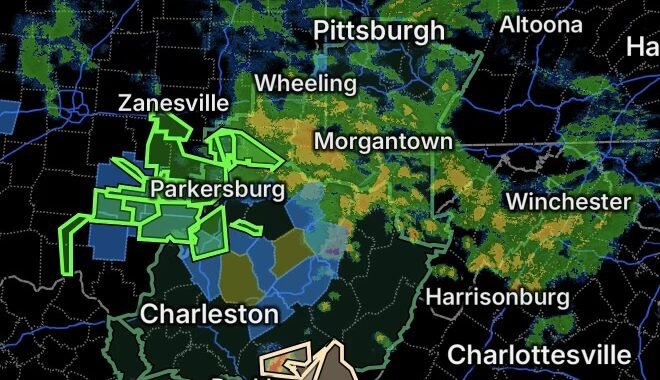
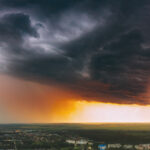
As summer intensifies across the United States, millions of Americans are facing a dangerous combination of extreme heat and powerful thunderstorms. Meteorologists are closely monitoring a weather pattern that is bringing prolonged heat waves to many regions while fueling severe weather outbreaks capable of producing damaging winds, large hail, flash flooding, and isolated tornadoes.
Why Heat Waves and Thunderstorms Often Go Hand-in-Hand
Heat waves develop when high-pressure systems become established over a region, trapping hot air near the surface. As temperatures climb and humidity increases, the atmosphere stores enormous amounts of energy.
When cooler air masses, frontal boundaries, or upper-level disturbances move into these hot and humid environments, thunderstorms can rapidly develop. The combination of heat, moisture, and atmospheric instability creates ideal conditions for severe weather.
Regions Most at Risk
Several regions across the country are experiencing elevated risks from both extreme heat and severe thunderstorms:
Midwest
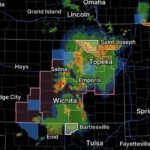
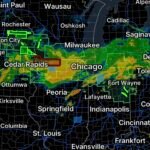
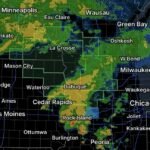
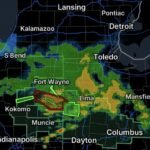
The Midwest continues to face repeated rounds of thunderstorms fueled by high temperatures and abundant moisture. Some storms may produce damaging wind gusts, large hail, and localized flooding.
Southern Plains
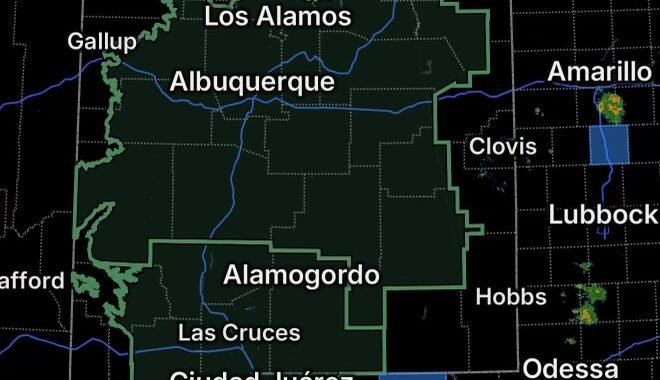
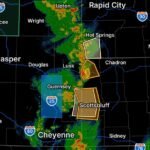
States such as Texas, Oklahoma, and Kansas are experiencing periods of intense heat. Thunderstorms developing along frontal boundaries can quickly become severe, especially during the late afternoon and evening hours.
Southeast
High humidity combined with temperatures in the 90s and triple-digit heat index values creates dangerous conditions. Daily thunderstorms may bring frequent lightning, heavy rainfall, and isolated severe weather.
Northeast and Mid-Atlantic
Heat waves occasionally expand into the Northeast, increasing the likelihood of strong thunderstorms capable of producing damaging winds and flash flooding.
Health Risks During Extreme Heat
Extreme heat remains one of the deadliest weather hazards in America. Prolonged exposure to high temperatures can lead to:
- Heat exhaustion
- Heat stroke
- Dehydration
- Increased stress on cardiovascular systems
- Power outages caused by increased energy demand
Individuals most vulnerable include older adults, young children, outdoor workers, and those with underlying health conditions.
Thunderstorm Hazards to Watch
Even a single thunderstorm can produce dangerous weather. Hazards may include:
- Damaging straight-line winds
- Large hail
- Frequent lightning
- Flash flooding
- Tornadoes
- Downed trees and power lines
Residents should remain weather-aware and monitor local forecasts throughout the summer season.
Safety Tips
During a Heat Wave
- Stay hydrated by drinking plenty of water.
- Avoid strenuous outdoor activities during peak afternoon heat.
- Check on elderly neighbors and family members.
- Never leave children or pets inside vehicles.
- Use cooling centers if available.
During Severe Thunderstorms
- Move indoors immediately when thunder is heard.
- Stay away from windows during severe storms.
- Have multiple ways to receive weather warnings.
- Avoid flooded roadways.
- Keep emergency supplies readily available.
Looking Ahead
Forecasters expect periods of dangerous heat and active thunderstorm development to continue throughout the summer months. As temperatures remain above average in many areas, communities should prepare for rapidly changing weather conditions and remain alert for watches and warnings.
America’s summer weather season is proving once again that extreme heat and severe thunderstorms often arrive together, creating a combination that requires vigilance, preparation, and awareness.