

Grasshopper Fire Forces Evacuations in Hood River and Wasco Counties Amid Red Flag Warnings and Poor Air Quality
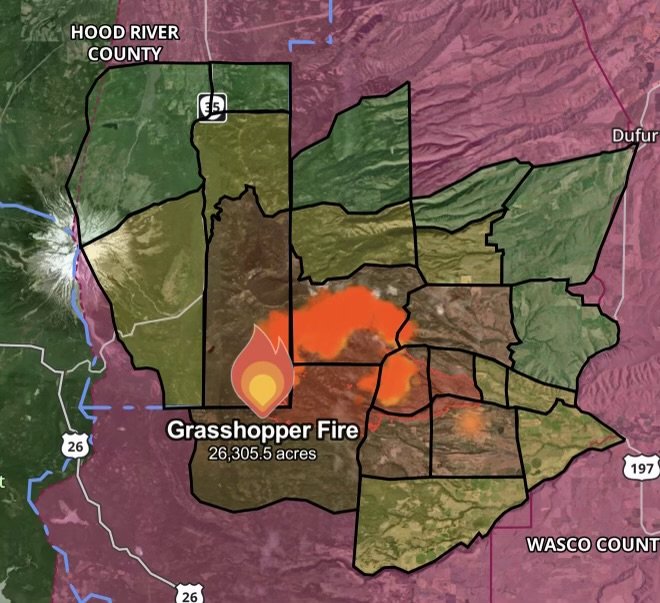
A severe and rapidly developing wildfire situation is gripping northern Oregon as the Grasshopper Fire continues to burn in the Mount Hood National Forest and surrounding high-desert terrain. Spanning across portions of Hood River and Wasco counties, the aggressive blaze has triggered urgent evacuation orders, taxed firefighting resources, and prompted critical red flag warnings alongside heavy smoke advisories across the region.
Whether you live in the Pacific Northwest or are monitoring regional emergency updates, understanding the scope of the Grasshopper Fire and the compounding weather hazards is vital to keeping your family and community safe.
Fast Facts: Grasshopper Fire & Regional Hazards
Incident Name: Grasshopper Fire (burning near Mount Hood National Forest, between Hood River and Wasco counties).
Evacuation Status: Active Level 3 (“Go Now!”) evacuation orders in place for threatened zones, alongside Level 2 (“Be Set”) and Level 1 (“Be Ready”) warnings.
Weather Hazards: National Weather Service (NWS) Red Flag Warnings highlighting extreme fire danger, high winds, and low humidity.
Air Quality: Department of Environmental Quality (DEQ) air quality advisories warning of poor air conditions due to heavy wildfire smoke across Hood River and Wasco counties.
State Response: The Emergency Conflagration Act invoked to mobilize state and interstate mutual aid resources for structural and wildland defense.
The Threat Expands: Grasshopper Fire Burns Across Hood River and Wasco Counties
Burning near the Mount Hood National Forest, the Grasshopper Fire has presented extreme containment challenges for interagency fire crews. Driven by erratic winds, dry fuels, and steep, rugged high-desert terrain, the fire has forced local sheriff’s offices to issue mandatory evacuations to protect residents.
Level 3 “Go Now!” evacuation orders remain in effect for heavily impacted areas along the southern edges of Hood River and Wasco counties, while neighboring zones face precautionary Level 2 and Level 1 warnings. Local emergency management teams, backed by specialized task forces under the Oregon State Fire Marshal, are working around the clock to establish defensible lines and protect rural infrastructure.
Red Flag Warnings and Critical Fire Weather
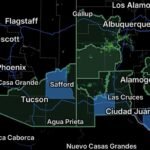
The challenge on the fire lines is severely compounded by dangerous atmospheric conditions. The National WeatherService has issued active Red Flag Warnings covering large swaths of Oregon and Washington east of the Cascades.
Meteorologists warn that a combination of high ambient temperatures, critically low relative humidity, and gusty winds creates a “particularly dangerous situation.” Any new fire ignition or active flare-up on the Grasshopper Fire perimeter has the potential to catch and spread with alarming speed, making outdoor burning and spark-generating activities strictly discouraged.
Choking Smoke and Poor Air Quality in Hood River and Wasco Counties
Beyond the direct threat of flames and embers, the Grasshopper Fire is producing dense plumes of smoke that are severely impacting regional air conditions.
Both Hood River and Wasco counties are experiencing fluctuating, poor air quality as winds push particulate matter across valleys and communities. The Oregon Department of Environmental Quality (DEQ) urges residents—particularly sensitive groups such as children, the elderly, and individuals with chronic respiratory or heart conditions—to monitor real-time air quality indexes and limit outdoor exertion.
Essential Safety Checklist for Smoke and Wildfire Hazards
When fast-moving wildfires and severe air quality alerts impact your region, proactive measures are your best defense. Follow these vital safety guidelines:
Heed Evacuation Orders Immediately: If local emergency management or law enforcement issues a Level 3 “Go Now!” order for your area, do not delay. Gather your go-bag, pets, and essential documents and evacuate immediately via designated safe routes.
Monitor Evacuation Tiers Closely: Keep track of changing conditions if you are in a Level 1 (Ready) or Level 2 (Set) zone so you can act quickly if threats escalate.
Protect Your Respiratory Health: Keep windows and doors tightly sealed against heavy smoke. If you must run an air conditioner, set it to a “recirculate” mode and utilize clean HEPA filters or portable air purifiers.
Eliminate Fire Hazards: Suspend all outdoor burning, welding, or activities that could generate sparks during active Red Flag Warning windows. Ensure vehicle and trailer chains are properly secured to prevent highway friction sparks.
Stay Informed: Keep a battery-operated or NOAA weather radio tuned to emergency channels, and continuously monitor real-time updates from local sheriff’s offices, Watch Duty, and the Oregon Department of Environmental Quality.
Stay Connected and Safe
Weather and fire behavior across the Pacific Northwest can shift rapidly. For the most up-to-the-minute evacuation maps, road closures, and containment updates, residents should regularly check official county emergency pages and follow briefing channels from local fire information networks. Stay safe, stay alert, and respect the ongoing work of the firefighting crews protecting Oregon!
Affiliate Disclosure: As an Amazon Associate, Radar Watch HQ earns from qualifying purchases.
Radar Watch HQ Top 5 Essentials – Wildfire Preparedness
Helps reduce exposure to wildfire smoke, ash, and fine particles.
Provides alerts during power outages or when cell service is unavailable.
Go Bag / Emergency Preparedness Kit
Includes important documents, medications, water, food, flashlights, and basic supplies for quick evacuation.
Fire-Resistant Outdoor Supplies
Items such as fire-resistant gloves, protective clothing, and tools for creating defensible space around property.
Portable Power Bank & Backup Charging Supplies
Keeps phones and emergency devices powered during wildfire emergencies.