

Wall of Dust: Dust Storm Warnings Sweep Cochise County Amid Peak Monsoon Season
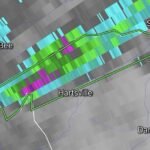
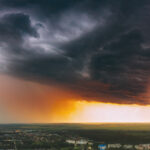
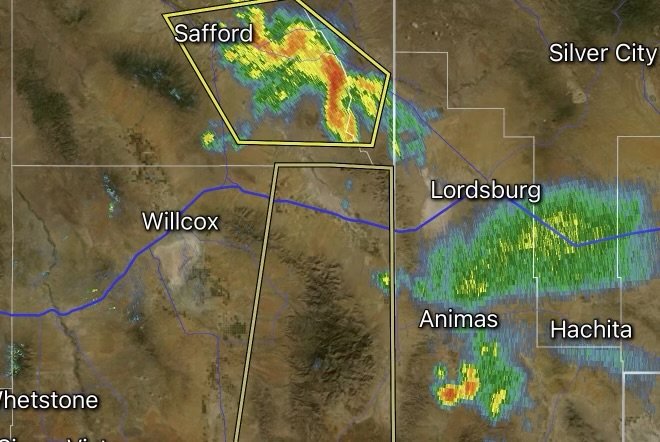
The rugged and scenic landscapes of southeastern Arizona are known for breathtaking sunsets, desert beauty, and wide-open skies. However, during the height of summer, those very same skies can transform into towering, wall-like hazards in a matter of minutes. The National Weather Service (NWS) has issued active Dust Storm Warnings for portions of Cochise County, Arizona, alerting drivers, residents, and travelers to severely restricted visibility and dangerous driving conditions.
As peak North American monsoon activity ramps up across the desert Southwest, volatile atmospheric shifts are bringing a dramatic mix of torrential downpours, lightning, and massive blowing dust events known locally as haboobs. Whether you reside in Sierra Vista, Bisbee, Douglas, Willcox, or traverse rural stretches of Interstate 10 and State Route 80, understanding these weather patterns and knowing how to react is critical.
Fast Facts: Cochise County Dust Storm Event
Impacted Region: Cochise County, Arizona (including major roadways, rural corridors, and communities monitored by NWS Tucson).
Core Hazards: Visibility dropping to near zero in seconds, strong gusty winds exceeding 50–60 mph, and sudden high-profile vehicle blow-over risks.
Issuing Agency: National Weather Service (NWS) Tucson, Arizona.
Action Required: Pull aside, stay alive! Avoid driving into zero-visibility dust clouds. Turn off lights and take your foot off the brake.
The Monsoon Connection: Why Dust Storms Strike Cochise County
To understand why massive walls of dust frequently swallow towns across Cochise County during the summer, you have to look at the mechanics of the North American monsoon.
As extreme daytime heat bakes the high-desert terrain, moisture streams northward from the Gulf of California and the Gulf of Mexico. This moisture fuels towering afternoon and evening thunderstorms across the mountains and valleys of southern Arizona. When these storms mature, they produce powerful downdrafts—cool columns of air that plunge downward and slam into the sun-baked desert floor.
As these intense winds rush outward in all directions (known as an outflow boundary or gust front), they sweep up loose, dry topsoil and sand across the desert basins, churning them into towering walls of dust that can stretch thousands of feet into the air and span dozens of miles. Because Cochise County features expansive desert grasslands, agricultural valleys, and dry lake beds, it acts as a prime incubator for these powerful haboobs when monsoon storms fire up nearby.
Recent Weather Trends Across Cochise County
The current monsoon season has brought a classic, high-stakes weather dichotomy to southeastern Arizona. While intermittent thunderstorm cells have delivered much-needed rainfall and localized cooling to parts of the county, the preceding dry spells leave vast expanses of soil extremely loose and susceptible to wind erosion.
Meteorologists note that even isolated storm cells miles away can generate outflow winds strong enough to kick up severe dust storms that travel into populated areas with little warning. This creates a rapid transition from clear, sunny afternoons to pitch-black, zero-visibility conditions in less than ten minutes.
Dust Storm Safety Checklist: Pull Aside, Stay Alive
Driving into a sudden dust storm is one of the most hazardous situations a motorist can face. Visibility can drop from miles to zero in the blink of an eye, leading to catastrophic multi-vehicle pileups on high-speed corridors like I-10.
Follow these essential safety protocols if you encounter a dust storm in Cochise County:
Pull Off the Road Immediately: Do not attempt to drive through a thick wall of dust. Safely pull as far off the paved roadway as possible, moving completely onto the shoulder or into an empty lot.
Turn Off All Vehicle Lights: This is a critical step. If you leave your headlights or tail lights on while parked on the side of the road, other distracted drivers may inadvertently follow your lights and crash directly into the rear of your vehicle.
Set the Emergency Brake and Take Foot Off Brake: Put your vehicle in park and release the brake pedal so your brake lights are not illuminated.
Wait It Out: Dust storms usually pass relatively quickly, often lasting anywhere from 15 to 30 minutes. Stay buckled up with your seatbelt fastened until visibility fully improves.
Protect Your Respiratory Health: If you must step outside or if dust enters your home, wear a tight-fitting mask (such as an N95) to avoid inhaling fine desert particulates, which can trigger severe asthma attacks, allergies, or respiratory distress.
Stay Informed
Weather conditions during the Arizona monsoon season can shift from calm to chaotic with breathtaking speed. Always keep your smartphone emergency alerts enabled, monitor real-time radar feeds, and heed all advisories issued by NWS Tucson.
Stay safe, stay alert, and respect the powerful atmospheric dynamics shaping the rugged beauty of Cochise County!

Radar Watch HQ Top 5 Dust Storm Essentials
Affiliate Disclosure: As an Amazon Associate, Radar Watch HQ earns from qualifying purchases.
- N95 Respirator Mask – Helps filter fine dust particles and improves breathing during blowing dust and poor air quality.
- HEPA Air Purifier – Removes airborne dust and allergens indoors, helping keep your home’s air cleaner during dust storms.
- Protective Safety Goggles – Shields your eyes from blowing sand, dust, and debris when outdoors.
- Portable Emergency Weather Radio & Power Bank – Stay informed of the latest National Weather Service warnings even during power outages.
- Vehicle Emergency Kit – Include bottled water, flashlight, first aid supplies, phone charger, blanket, and extra batteries in case you become stranded during a dust storm.