
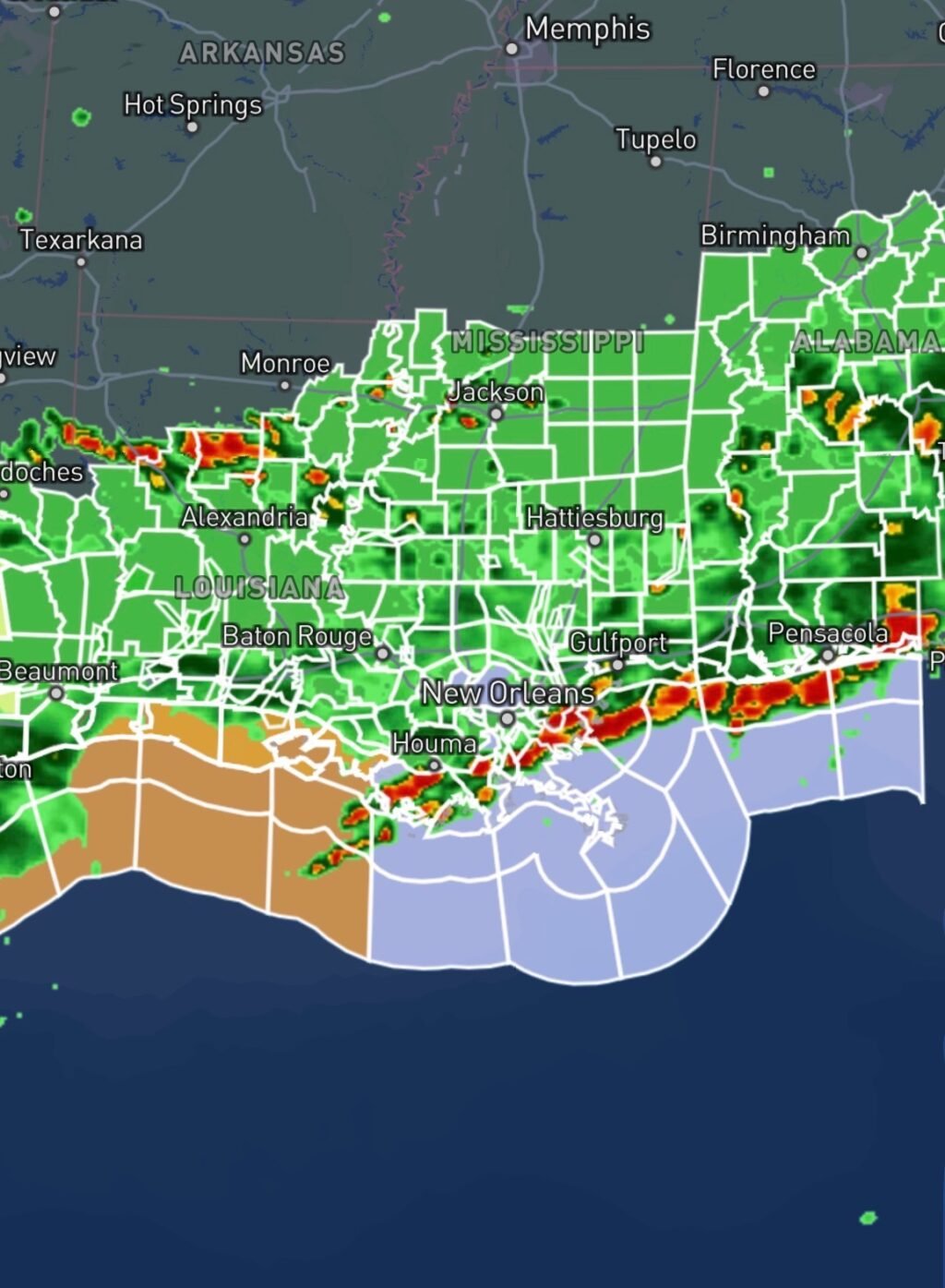
Small Craft Advisory Issued for Portions of the Gulf of Mexico: What Mariners Need to Know
Small Craft Advisory in Effect Across Parts of the Gulf
The National Weather Service (NWS) has issued a Small Craft Advisory for portions of the Gulf of Mexico as increasing winds and rough seas create hazardous conditions for smaller vessels. Boaters, fishermen, and recreational mariners are urged to exercise caution or remain in port until conditions improve.
A Small Craft Advisory is typically issued when sustained winds reach 20 to 33 knots (23 to 38 mph) and/or seas become hazardous for smaller vessels. Along the Gulf Coast, advisories are commonly issued when seas reach 7 feet or greater for an extended period. (National Weather Service)
Why the Advisory Was Issued
Meteorologists are monitoring strengthening winds across portions of the Gulf that are producing elevated wave heights and rough marine conditions. These conditions can make navigation difficult, especially for smaller boats that are more vulnerable to strong winds, choppy waters, and sudden weather changes.
Hazardous marine conditions can lead to:
- Difficult handling of vessels
- Increased risk of capsizing
- Reduced visibility during showers and thunderstorms
- Dangerous conditions near inlets and coastal waters
- Increased risk for passengers falling overboard
Areas Impacted
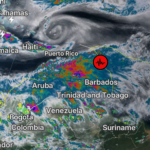
The advisory affects portions of the Gulf of Mexico, including offshore waters where stronger winds and higher seas are expected. Conditions may vary by location, but mariners should monitor the latest forecasts from their local National Weather Service office before departing.
Marine forecasts indicate that portions of the Gulf could experience sustained winds approaching advisory criteria along with seas building to several feet, creating hazardous conditions for smaller craft. (National Data Buoy Center)
Safety Recommendations
The National Weather Service recommends that operators of small vessels:
- Consider postponing trips until conditions improve.
- Always wear a U.S. Coast Guard-approved life jacket.
- Ensure navigation and communication equipment are functioning properly.
- Check the latest marine forecast before departure.
- Inform someone onshore of your travel plans.
- Monitor weather radar and marine warnings while underway.
Looking Ahead
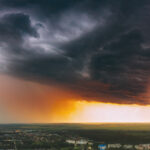
Marine conditions across the Gulf of Mexico will continue to be monitored as weather patterns evolve. Mariners should expect changing conditions, particularly near thunderstorms where winds and wave heights can increase rapidly.
Anyone planning activities on Gulf waters should stay informed through official forecasts and marine weather statements issued by the National Weather Service.
Final Thoughts
A Small Craft Advisory serves as an important warning that conditions on the water may be unsafe for smaller vessels. While larger commercial vessels may be able to navigate through rough conditions, recreational boaters and fishermen should use extreme caution. Staying weather-aware and respecting marine advisories can help prevent accidents and keep everyone safe on the water.