













Rise in Heat-Related Illnesses and Summer Heat: What Communities Need to Know
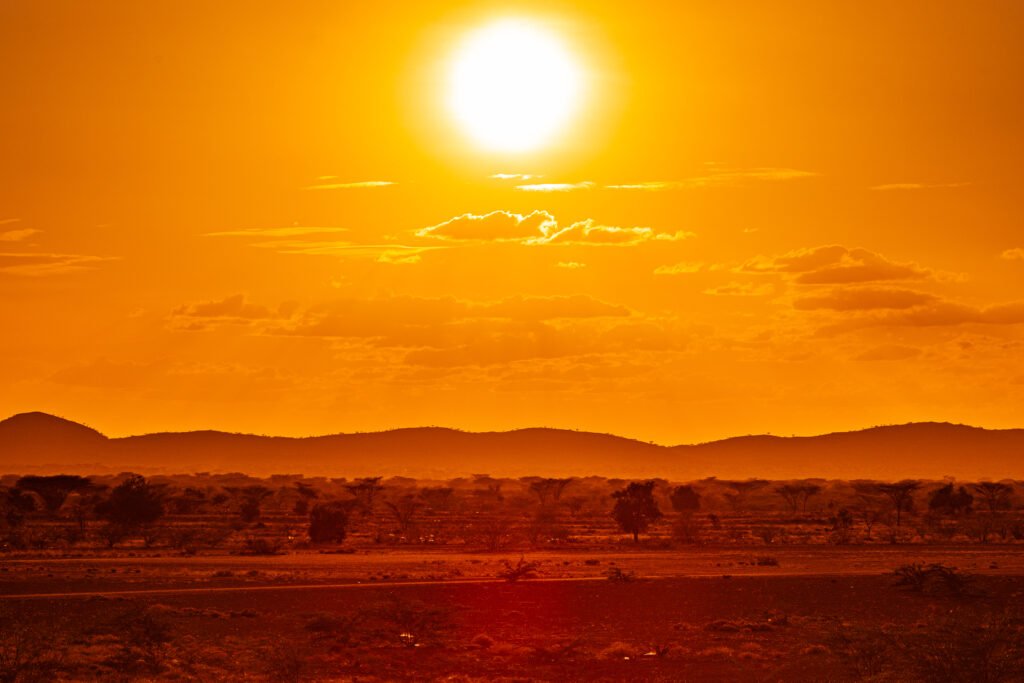
As summer temperatures continue to climb across the United States, health officials and emergency managers are reporting an increase in heat-related illnesses. Extended periods of extreme heat have become one of the deadliest weather hazards in America, often causing more fatalities annually than tornadoes, hurricanes, or flooding.
From major cities to rural communities, rising temperatures are placing millions of people at risk. Understanding the dangers of extreme heat and knowing how to stay safe can help reduce illnesses, hospitalizations, and deaths during the hottest months of the year.
Why Heat-Related Illnesses Are Increasing
Several factors contribute to the growing number of heat-related emergencies:
- More frequent and prolonged heat waves
- Higher overnight temperatures that prevent cooling
- Urban heat island effects in cities
- Increased outdoor work and recreation
- Aging populations more vulnerable to heat stress
- Limited access to air conditioning in some communities
When temperatures remain elevated for multiple days, the human body struggles to regulate its internal temperature. Without adequate hydration and cooling, dangerous health conditions can develop rapidly.
Understanding Heat-Related Illnesses
Heat Cramps
Heat cramps are often the first warning sign of heat stress. Symptoms include:
- Muscle cramps or spasms
- Excessive sweating
- Fatigue
- Thirst
Individuals experiencing heat cramps should move to a cooler location, rest, and drink water or electrolyte-replacement beverages.
Heat Exhaustion
Heat exhaustion is more serious and requires immediate attention.
Symptoms may include:
- Heavy sweating
- Weakness
- Dizziness
- Headache
- Nausea
- Cool, pale skin
- Rapid pulse
If left untreated, heat exhaustion can progress into heat stroke.
Heat Stroke
Heat stroke is a life-threatening medical emergency.
Warning signs include:
- Body temperature above 103°F (39.4°C)
- Confusion or altered mental status
- Hot, red skin
- Rapid heartbeat
- Loss of consciousness
- Seizures
Anyone experiencing heat stroke symptoms should receive emergency medical care immediately.
Who Is Most at Risk?
While extreme heat affects everyone, certain groups face a greater risk of serious illness:
- Older adults
- Infants and young children
- Individuals with chronic medical conditions
- Outdoor workers
- Athletes
- People without access to air conditioning
- Homeless populations
- Pregnant women
Community outreach programs often focus on these vulnerable populations during excessive heat events.
The Impact on Communities
Extreme heat affects more than individual health. Communities often experience:
Increased Energy Demand
As air conditioners run continuously, electrical grids can become strained, increasing the risk of power outages during critical periods.
Health Care System Stress
Emergency rooms frequently see spikes in heat-related illnesses during prolonged heat waves.
Economic Impacts
Outdoor construction, agriculture, transportation, and utility operations can be disrupted when temperatures become dangerously high.
Public Infrastructure Challenges
Roadways, rail systems, and utility equipment may suffer damage or reduced performance during extreme heat.
How Communities Can Stay Safe
Stay Hydrated
Drink water frequently, even if you do not feel thirsty. Avoid excessive alcohol and caffeinated beverages, which can contribute to dehydration.
Limit Outdoor Activities
Schedule outdoor work and exercise during the early morning or evening hours when temperatures are lower.
Find Cool Locations
Use air-conditioned buildings whenever possible. Public cooling centers, libraries, community centers, and shopping centers can provide relief during extreme heat.
Check on Neighbors
Older adults and individuals living alone may need assistance during heat emergencies. A simple wellness check can save lives.
Know Local Alerts
Pay attention to:
- Heat Advisories
- Excessive Heat Watches
- Excessive Heat Warnings
- Emergency Management Notifications
These alerts provide critical information about dangerous conditions and protective actions.
Never Leave Children or Pets in Vehicles
Temperatures inside a parked vehicle can rise to deadly levels within minutes, even when outside temperatures seem moderate.
Heat Safety for Outdoor Workers
Employers and workers should follow heat safety guidelines, including:
- Taking frequent breaks
- Providing shaded rest areas
- Drinking water regularly
- Monitoring coworkers for symptoms of heat illness
- Adjusting work schedules during extreme heat
Early recognition of symptoms can prevent severe medical emergencies.
Looking Ahead
Meteorologists expect periods of intense summer heat to remain a recurring challenge across many parts of the country. Communities that invest in preparedness, public education, and cooling resources can significantly reduce the health impacts associated with extreme temperatures.
As temperatures continue to rise this summer, staying informed, recognizing warning signs, and taking proactive precautions will be essential for protecting lives and strengthening community resilience. Heat may be invisible, but its impacts can be severe. Preparation and awareness remain the most effective tools for staying safe.