


Arizona Air Quality Alert Overview
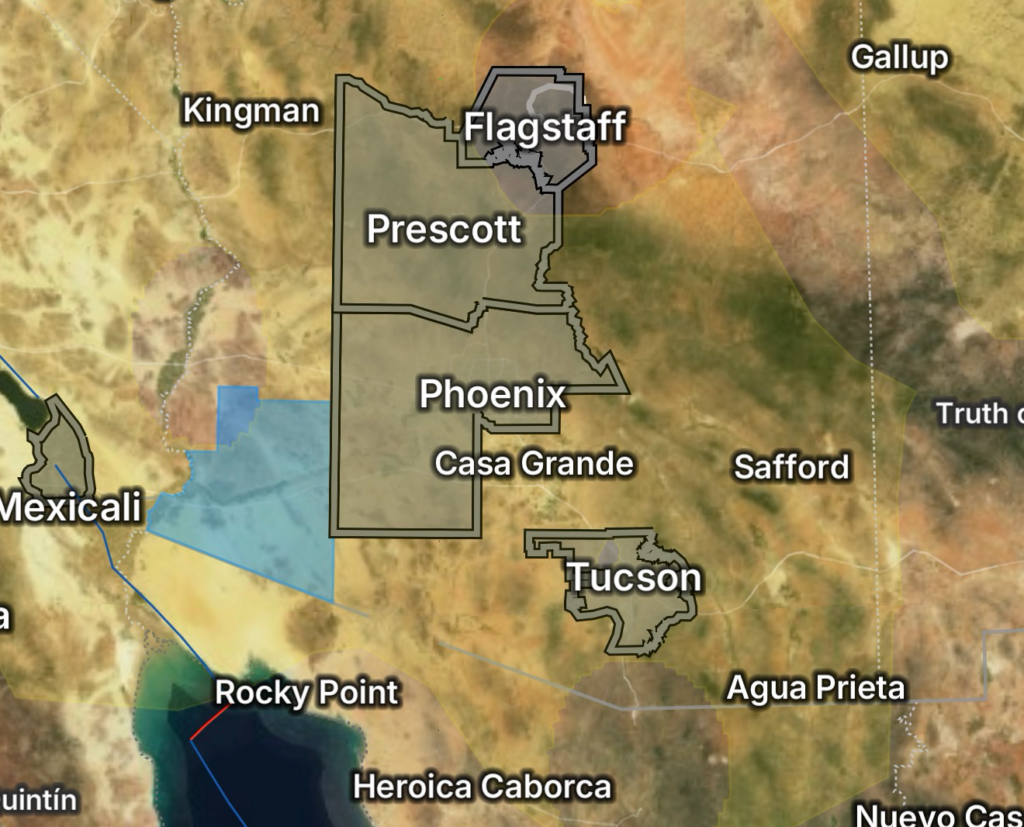
Air quality across Arizona is currently under stress as multiple regions including Prescott, Flagstaff, Phoenix, Casa Grande, and Tucson experience elevated pollution levels driven by a mix of ozone buildup, dust particles (PM10), and wildfire smoke influence.
According to state air monitoring data, parts of Arizona are seeing moderate to unhealthy ozone levels, especially during warm, stagnant weather patterns that trap pollutants near the surface .
These conditions are common during summer months when heat, sunlight, and low wind speeds accelerate ozone formation and dust accumulation across desert regions.
City-by-City Air Quality Breakdown
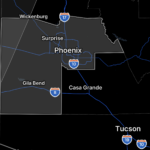
🌫️ Phoenix Air Quality Alert
Phoenix is currently experiencing high ozone levels, with readings reaching into the “Moderate to Unhealthy for Sensitive Groups” range.
Recent forecasts show:
- Ozone levels exceeding 100 AQI
- Elevated PM10 dust concentrations
- Continued heat trapping pollutants in the valley
Health impact: Increased risk for asthma flare-ups, respiratory irritation, and reduced outdoor air quality during afternoon hours.
🌄 Flagstaff Air Quality Conditions
Flagstaff is dealing with smoke and ozone impacts tied to nearby wildfire activity, including drifting smoke from regional fires.
Key concerns:
- Ozone advisories issued through recent days
- Smoke reducing visibility and air clarity
- Occasional spikes in AQI due to shifting winds
Even mountain regions are not immune, as wildfire smoke can travel long distances and affect northern Arizona air quality.
🌵 Prescott Air Quality Status
Prescott is experiencing moderate ozone levels, generally lower than Phoenix but still elevated during peak daytime heating.
- Ozone levels typically in the “Moderate” AQI range
- Warm stagnant air contributes to buildup
- Conditions fluctuate with wind patterns
Residents with respiratory sensitivities should limit outdoor activity during mid-afternoon hours.
🌾 Casa Grande Air Quality Conditions
Casa Grande is influenced heavily by:
- Dust storms (PM10 particles)
- Vehicle emissions along major travel corridors
- Agricultural and dry soil dust conditions
Air quality can quickly shift from moderate to unhealthy during windy periods, especially during monsoon-related gust fronts.
🌞 Tucson Air Quality Update
Tucson typically experiences a mix of:
- Ozone formation due to intense sunlight
- Dust intrusion from surrounding desert terrain
- Seasonal wildfire smoke influence
During high heat days, ozone levels tend to rise in the afternoon, making early morning or evening the safest time for outdoor activity.
What Is Causing the Arizona Air Quality Alert?
Several major factors are combining across the state:
1. Ozone Pollution (Heat + Sunlight)
Strong sunlight reacts with vehicle emissions and industrial pollutants, forming ground-level ozone.
2. Dust Storm Activity (PM10)
Dry desert soils in Arizona easily lift into the atmosphere during wind events, reducing visibility and air quality.
3. Wildfire Smoke Transport
Smoke from regional fires can travel hundreds of miles, especially affecting northern Arizona regions like Flagstaff.
4. Heat Dome Conditions
High pressure systems trap pollutants near the surface, preventing dispersion and worsening air quality.
Health Risks of Poor Air Quality in Arizona
Residents may experience:
- Coughing or throat irritation
- Shortness of breath
- Headaches and fatigue
- Worsened asthma or COPD symptoms
- Eye irritation
Sensitive groups include children, elderly individuals, and those with pre-existing respiratory conditions.
Safety Tips During Air Quality Alerts
- Stay indoors during peak afternoon hours
- Use HEPA air filtration when possible
- Limit outdoor exercise
- Wear N95 masks during dust or smoke events
- Keep windows closed during high AQI periods
- Stay hydrated in extreme heat conditions
Final Outlook
Arizona’s air quality will continue to fluctuate based on heat, wind patterns, and wildfire smoke activity. Phoenix and Tucson are most affected by ozone and dust, while Flagstaff and Prescott are more vulnerable to smoke transport and regional pollution shifts.
Casa Grande remains highly sensitive to dust events, especially during windy desert conditions.
Radar Watch HQ – Top 5 Air Quality Essentials (Solar-Ready Focus)
Affiliate Disclosure: As an Amazon Associate, Radar Watch HQ earns from qualifying purchases.
These are the five most important tools for tracking and responding to air quality alerts across Arizona, especially during ozone spikes, dust events, and wildfire smoke impacts in areas like Prescott, Flagstaff, Phoenix, Casa Grande, and Tucson.
1. Real-Time Air Quality Monitoring Device
A portable monitoring system is essential for detecting fast-changing conditions outdoors and indoors. It provides immediate readings of particulate matter and pollution levels so users can respond before exposure becomes harmful.
Why it matters:
Air quality in Arizona can shift quickly due to heat, wind, and dust movement.
2. Solar-Compatible Backup Power System
A renewable power source ensures continuous operation of essential devices during outages or emergency conditions. Solar compatibility allows long-term use without relying on grid electricity.
Why it matters:
Air quality events often overlap with extreme heat and power strain conditions.
3. High-Efficiency Indoor Air Filtration System
A HEPA-grade filtration system helps maintain safe indoor environments by removing fine particles such as smoke, dust, and airborne pollutants.
Why it matters:
During high AQI events, indoor air quality becomes the primary layer of protection.
4. Personal Respiratory Protection Equipment
Protective masks designed for fine particulate filtration reduce direct inhalation of smoke, dust, and polluted air during outdoor exposure.
Why it matters:
Critical during dust storms, wildfire smoke drift, and high ozone advisory periods.
5. Indoor Air Quality Environmental Monitor
A stationary monitoring system tracks indoor air conditions such as particulate levels, carbon dioxide buildup, and general air safety indicators.
Why it matters:
Helps ensure that indoor environments remain safe when outdoor air quality deteriorates.
Radar Watch HQ Summary
Across Arizona’s major cities—Phoenix heat-driven ozone zones, Flagstaff smoke drift areas, Prescott moderate elevation air shifts, Casa Grande dust exposure, and Tucson desert pollution cycles—these five essentials form a complete air quality readiness system.
They focus on:
- Real-time awareness
- Off-grid power stability (solar-ready)
- Indoor air protection
- Personal respiratory safety
- Continuous environmental monitoring