









How Weather Affects Air Quality
☀️ Heat and Sunshine
Hot, sunny weather helps create ground-level ozone, commonly called smog. Ozone forms when pollutants from vehicles, power plants, and industry react with sunlight. During heat waves, ozone levels often rise to unhealthy levels. Recent air quality alerts in several states were linked directly to high temperatures and strong sunshine.
🌬️ Wind
Wind can either improve or worsen air quality:
- Strong winds disperse pollutants and improve air quality.
- Winds can also transport wildfire smoke, dust, and pollution hundreds of miles away from their source. Wildfire smoke has become a major contributor to poor air quality across the United States.
🔥 Wildfires
Wildfires release large amounts of fine particulate matter (PM2.5), which can penetrate deep into the lungs. Recent studies show wildfire smoke has reversed some of the air-quality improvements achieved over the past decade, particularly regarding ozone pollution.
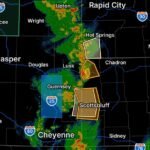
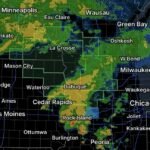
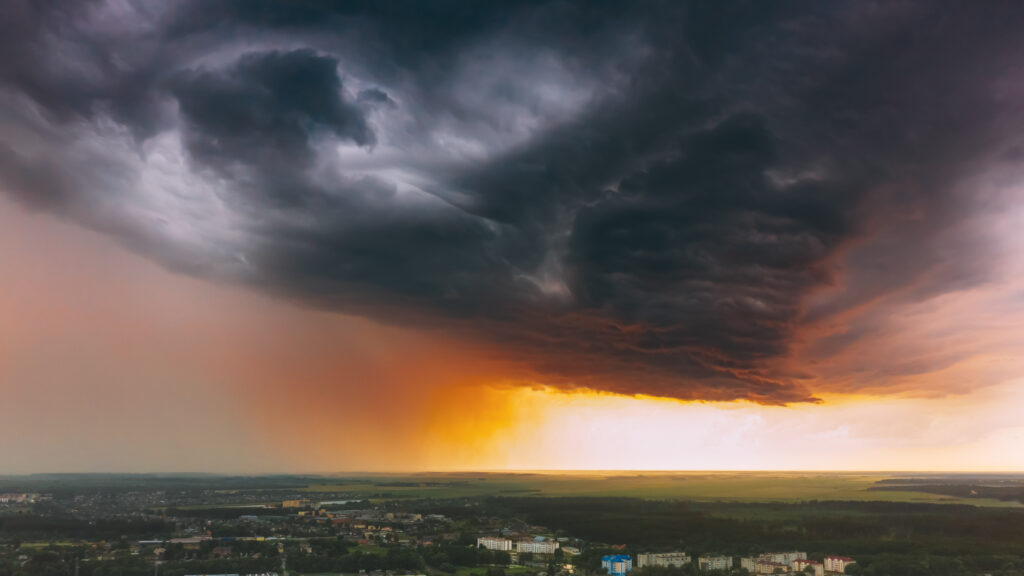
🌧️ Rain and Storms
Rain acts as a natural air filter:
- Washes dust, smoke, and pollutants out of the atmosphere.
- Often leads to improved air quality after storms.
- However, stagnant humid conditions before storms can sometimes trap pollutants near the surface.
🌡️ Temperature Inversions
Normally, warm air rises and carries pollutants away. During an inversion, a layer of warm air traps cooler air near the ground, causing pollution, smoke, and haze to build up. These events are common in valleys and urban areas.
Recent Air Quality Trends in 2026
Recent reports indicate that:
- More than 150 million Americans live in areas experiencing unhealthy air pollution levels.
- Wildfire smoke continues to be a growing contributor to ozone and particulate pollution.
- Research shows even relatively low levels of long-term urban air pollution may contribute to heart disease and cardiovascular problems.
Understanding AQI Categories
- 0–50 (Good): Air quality poses little risk.
- 51–100 (Moderate): Acceptable for most people.
- 101–150 (Unhealthy for Sensitive Groups): Asthma sufferers, children, and older adults should limit prolonged outdoor activity.
- 151–200 (Unhealthy): Everyone may begin experiencing health effects.
- 201–300 (Very Unhealthy): Health warnings issued.
- 301+ (Hazardous): Emergency conditions.