


Cottonwood Fire Burns Near Beaver, Utah Amid Dangerous Fire Weather Conditions
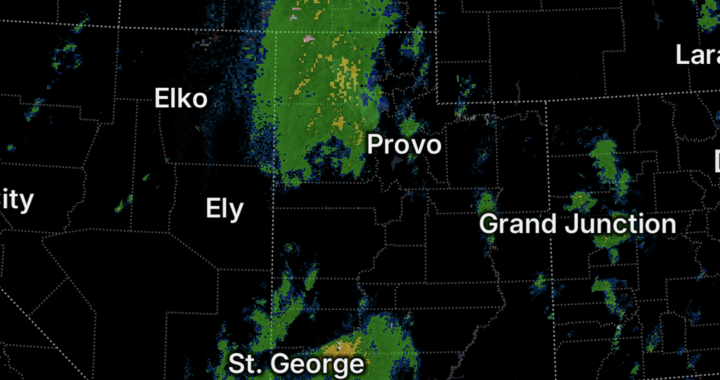
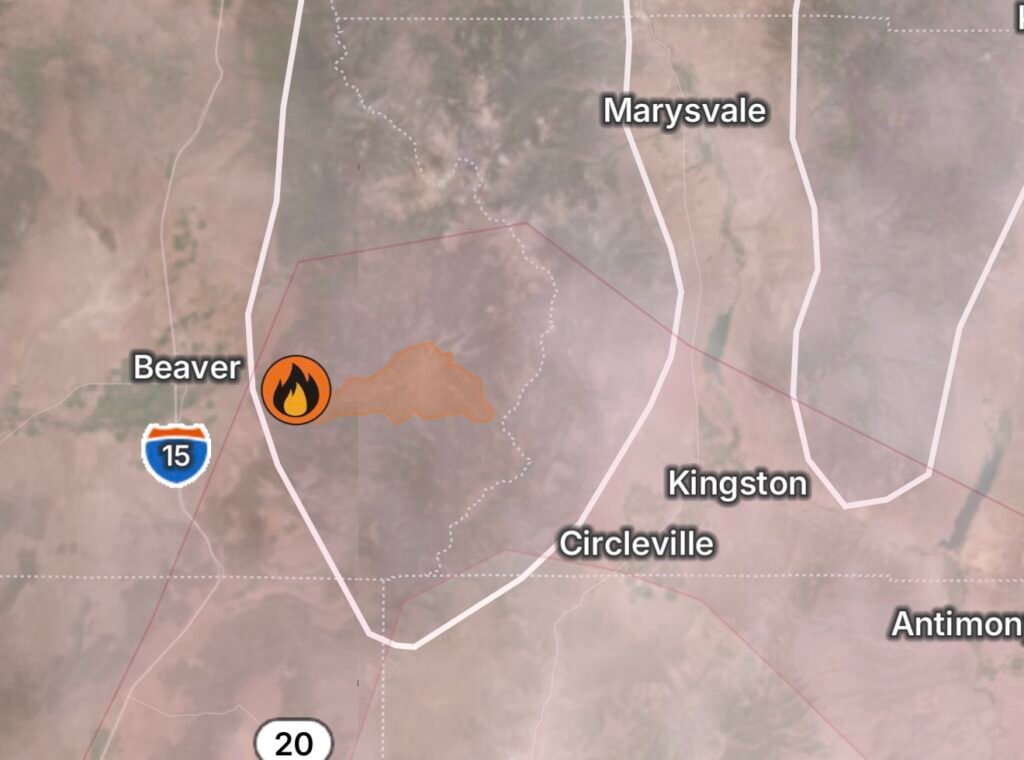
Utah firefighters are battling the rapidly growing Cottonwood Fire near Beaver as dry vegetation, gusty winds, and ongoing drought conditions continue to fuel wildfire activity across the state. The fire has become one of several significant incidents contributing to an active and concerning wildfire season throughout Utah.
Fire Activity Near Beaver
The Cottonwood Fire has generated large smoke plumes visible from Interstate 15 and surrounding communities near Beaver, Utah. Fire crews, air tankers, helicopters, and ground resources have been deployed to slow the fire’s spread and protect nearby infrastructure.
Residents and travelers in the area have reported seeing extensive smoke columns and active aerial firefighting operations as crews work to establish containment lines around the blaze. Community reports indicate the fire has expanded rapidly under dry and windy conditions.
Drought and Extreme Fire Danger
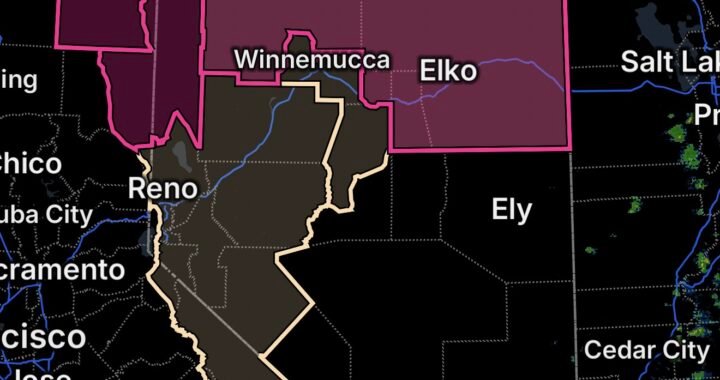
Utah entered the 2026 fire season under severe to extreme drought conditions across much of the state. Fire officials have repeatedly warned that low humidity, dry fuels, and above-average temperatures could lead to rapid wildfire growth. Recent weather patterns have created ideal conditions for grass fires and brush fires to spread quickly once ignited. (Axios)
State officials have emphasized that a single spark can quickly become a major wildfire under current conditions.
Firefighters Respond Across Utah
The Cottonwood Fire comes as multiple wildfires remain active across Utah and the Intermountain West. Fire crews are facing increased challenges due to persistent heat, limited rainfall, and critically dry vegetation. Emergency management agencies continue monitoring fire behavior while coordinating resources to support suppression efforts. (The Guardian)
Aviation resources remain a critical part of the firefighting effort, helping slow the fire’s advance in difficult terrain while allowing ground crews to strengthen containment lines.
Smoke Impacts and Air Quality Concerns
Smoke from active wildfires can travel significant distances depending on wind patterns. Communities far from the fire itself may experience reduced visibility and degraded air quality. Residents with respiratory conditions, older adults, and young children should closely monitor local air quality reports and limit outdoor activities when smoke levels increase.
Emergency officials recommend keeping windows closed, using air filtration systems when available, and following local health guidance during periods of heavy smoke.
Wildfire Safety Reminders
As Utah continues through peak wildfire season, residents are encouraged to:
- Follow all fire restrictions and burn bans.
- Properly extinguish campfires.
- Avoid parking vehicles on dry grass.
- Secure trailer chains to prevent sparks.
- Report smoke or fire activity immediately.
- Prepare evacuation plans and emergency kits.
Looking Ahead
With hot temperatures and dry conditions expected to continue across portions of Utah, fire officials warn that wildfire risks remain elevated. The Cottonwood Fire serves as another reminder of the importance of wildfire preparedness and the challenges facing firefighters during the 2026 fire season.
Residents are encouraged to stay informed through official wildfire updates, local emergency management agencies, and Utah fire information services as suppression efforts continue.