


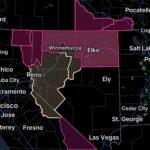
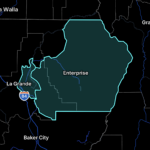
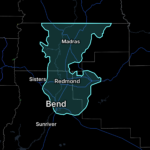

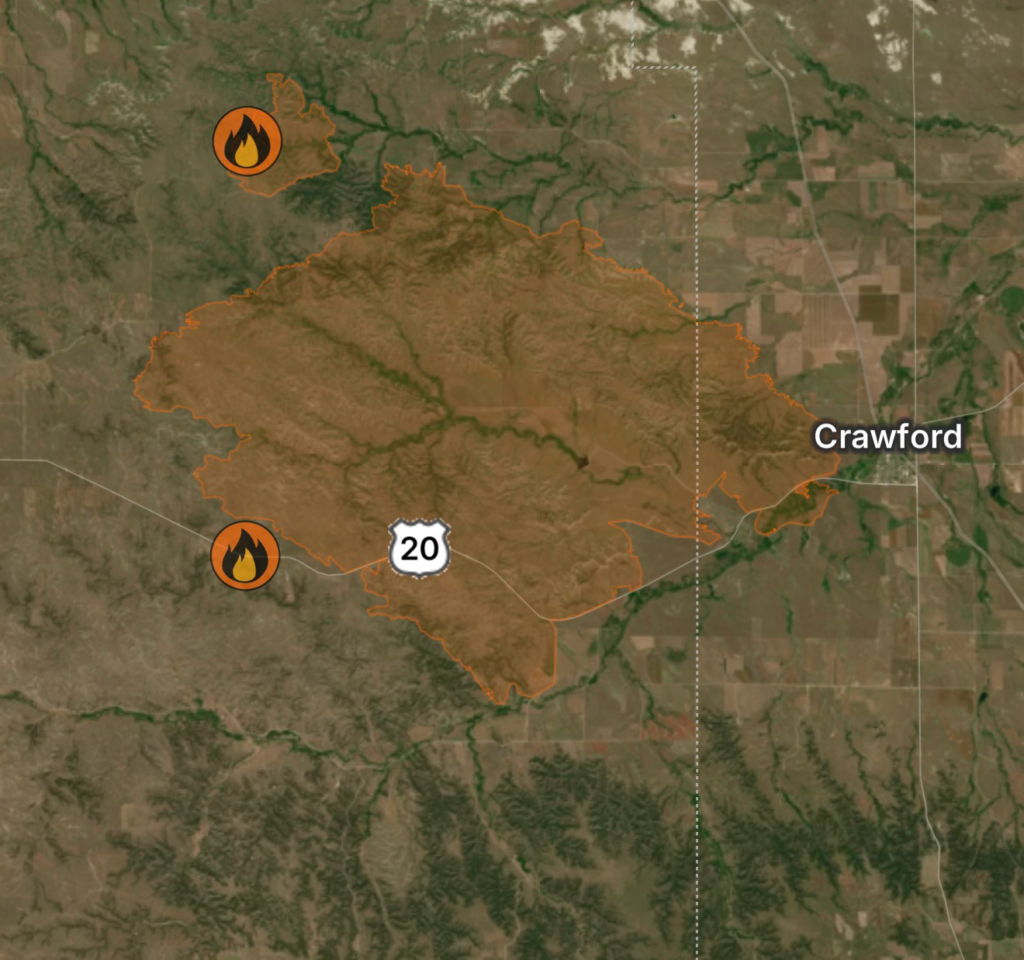
🔥 Nebraska Wildfire Updates: Log Road Fire & South Fork Fire
🔥 INCIDENT 1: Log Road Fire (Nebraska)
📍 Status Overview
- Name: Log Road Fire
- Discovery Date: 6-29-2026
- Containment: 0.00% at time of discovery
- Source: WFIGS reporting
⚠️ Current Interpretation
At initial detection, the Log Road Fire was completely uncontained, meaning:
- No established control lines yet
- Active fire spread potential was high
- Immediate suppression response required
🚨 Key Concerns
- Rapid fire growth potential depending on wind and dry fuel conditions
- Smoke impacts and air quality degradation
- Possible expansion into wildland-urban interface zones
🔥 INCIDENT 2: South Fork Fire (Nebraska)
📍 Status Overview
- Name: South Fork Fire
- Containment: 100% contained
- Estimated Size: ~32,818 acres
- Source: WFIGS reporting
✅ What 100% Contained Means
- Fire perimeter is fully secured
- No expected spread under normal conditions
- Fire crews have completed or nearly completed perimeter control
However:
- Hot spots may still be monitored
- Mop-up operations may continue
- Burn area remains hazardous
🌱 Burn Scars & Long-Term Impact (South Fork Fire Area)
The 32,818-acre burn scar presents ongoing environmental risks:
Key Hazards:
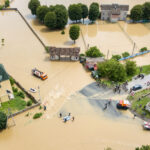
- Flash flooding after rainfall
- Mud and debris flows
- Soil erosion and unstable ground
- Falling burned trees
- Water runoff contamination
Burn scars can remain dangerous long after containment is achieved.
⚠️ What Residents Should Know
Near Log Road Fire Area:
- Stay alert for evacuation updates or fire spread advisories
- Monitor wind-driven fire behavior and smoke conditions
- Follow local emergency management guidance
Near South Fork Burn Area:
- Watch for post-fire flooding during storms
- Avoid burned terrain due to unstable trees and ground
- Be cautious near waterways and drainage paths
🌐 Radar Watch HQ Final Thoughts
These two Nebraska wildfire incidents show very different stages of wildfire activity:
- Log Road Fire: Early-stage active incident (0% containment at discovery)
- South Fork Fire: Fully contained large-scale burn (100% containment, ~32,818 acres)
Together, they highlight both the rapid escalation phase of wildfires and the long-term recovery risks from burn scars, especially flooding and land instability.
Radar Watch HQ Top 5 Wildfire Essentials (2026 Preparedness Guide)
Affiliate Disclosure: As an Amazon Associate, Radar Watch HQ earns from qualifying purchases.
Wildfire recovery and smoke events don’t end when the fire is contained. Lingering ash, poor air quality, and unstable conditions can last for days or even weeks. These Radar Watch HQ Top 5 Wildfire Essentials focus on protecting your air quality, health, and important documents during and after wildfire events.
1. Air Purifier (HEPA Filtration System)
A HEPA air purifier is one of the most important tools for wildfire smoke exposure. Fine particulate matter (PM2.5) from wildfire smoke can easily enter homes, even when windows are closed.
Why it matters:
- Filters smoke particles and ash
- Reduces indoor haze and odor
- Helps protect lungs during prolonged smoke exposure
- Improves sleep quality during poor air quality events
Radar Watch HQ Tip: Run continuously on “auto” or medium during active smoke days.
2. N95 Respirator Masks
N95 masks are critical for outdoor exposure when smoke lingers or cleanup begins after a wildfire.
Why it matters:
- Filters at least 95% of airborne particles
- Protects against ash, dust, and wildfire smoke
- Essential for yard cleanup or travel through burn areas
Radar Watch HQ Tip: Ensure a tight face seal—loose-fitting masks lose effectiveness quickly.
3. Portable Air Quality Monitor
A real-time air quality monitor helps track pollution levels in and around your home.
Why it matters:
- Measures PM2.5 and AQI levels
- Alerts you when air becomes unsafe
- Helps decide when to ventilate or stay indoors
- Useful during wildfire smoke drift events
Radar Watch HQ Tip: Place one inside and one near a window for comparison.
4. Fire-Resistant Document Storage Case
Wildfires can destroy critical records in minutes. A fireproof document case protects your most important paperwork.
Why it matters:
- Protects IDs, insurance papers, and legal documents
- Heat-resistant during evacuation scenarios
- Portable for quick evacuation “go-bag” setup
Radar Watch HQ Tip: Keep one copy in your home and another offsite if possible.
5. Solar Portable Power Station
Power outages often follow wildfire emergencies due to damaged infrastructure or preventive shutdowns.
Why it matters:
- Keeps phones and radios charged
- Powers small medical devices or routers
- Works off-grid with solar charging
- Essential during evacuation or shelter-in-place situations
Radar Watch HQ Tip: Choose a unit with both AC and USB outputs for flexibility.
Why These Essentials Matter
Wildfire impact goes beyond flames. The real risks often come after containment:
- Smoke can linger at unhealthy AQI levels
- Burn scars increase flood and debris risks
- Power outages disrupt communication
- Ash exposure affects breathing and surfaces
Being prepared helps reduce exposure and improves safety during recovery periods.
Radar Watch HQ Final Note
Even after a wildfire reaches 100% containment, preparedness remains essential. Air quality protection, emergency power, and document safety tools are the core of staying resilient during wildfire recovery conditions.