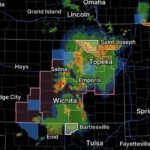
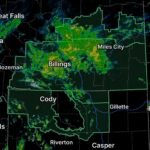

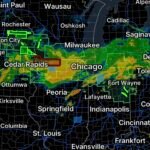

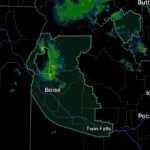
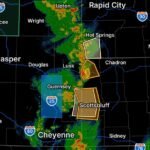
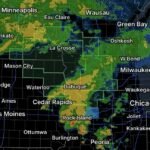
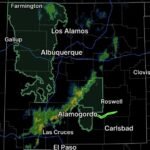

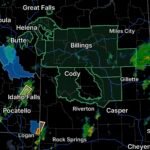







Heat and Humidity Fueling Storms Across Multiple Regions
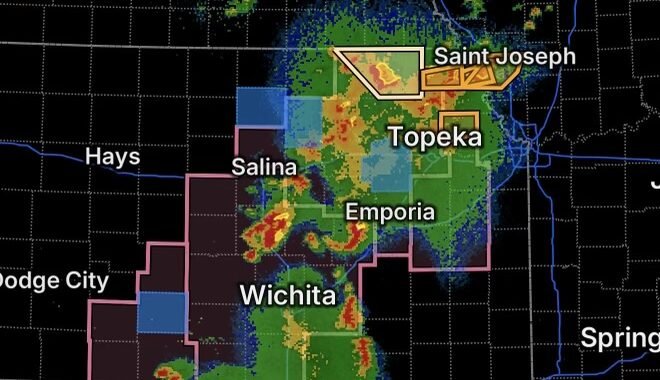
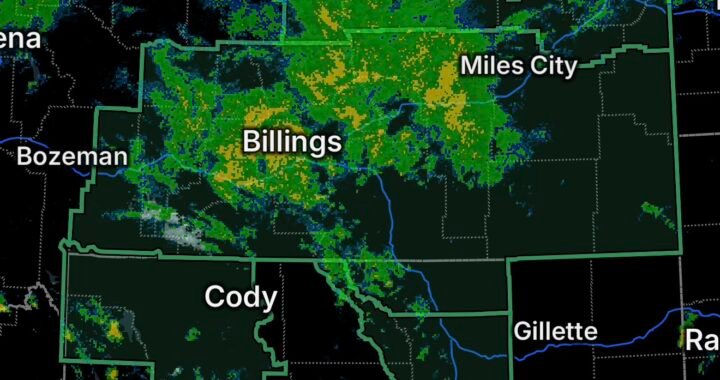
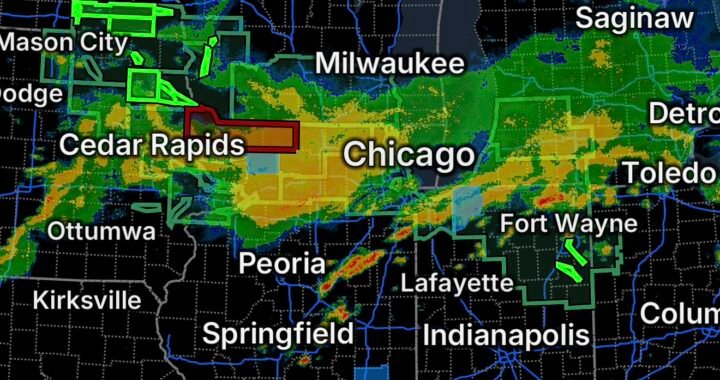
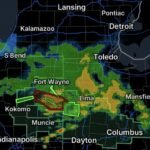
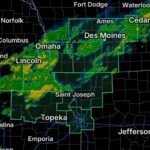
As temperatures continue to climb across large portions of the United States, a dangerous combination of heat and humidity is creating the perfect environment for strong to severe thunderstorms. Meteorologists are closely monitoring conditions as the atmosphere becomes increasingly unstable, raising concerns for damaging winds, heavy rainfall, frequent lightning, and localized flooding.
Why Heat and Humidity Matter
Warm air can hold more moisture, and when high humidity combines with intense daytime heating, the atmosphere becomes loaded with energy. This energy, known as instability, acts as fuel for thunderstorm development. As the sun heats the ground, warm, moist air rises rapidly into the atmosphere, where it can develop into towering thunderstorms.
The greater the heat and humidity, the stronger storms can become when other weather ingredients are present.
Storm Threats Increasing
Areas experiencing oppressive heat and high dew points may see thunderstorms rapidly intensify during the afternoon and evening hours. Some storms could produce:
- Damaging wind gusts exceeding 60 mph
- Frequent cloud-to-ground lightning
- Torrential rainfall leading to flash flooding
- Large hail in isolated locations
- Brief tornadoes where conditions become favorable
Storms may develop quickly with little warning, especially in regions already experiencing extreme heat.
Heat Risks Remain High
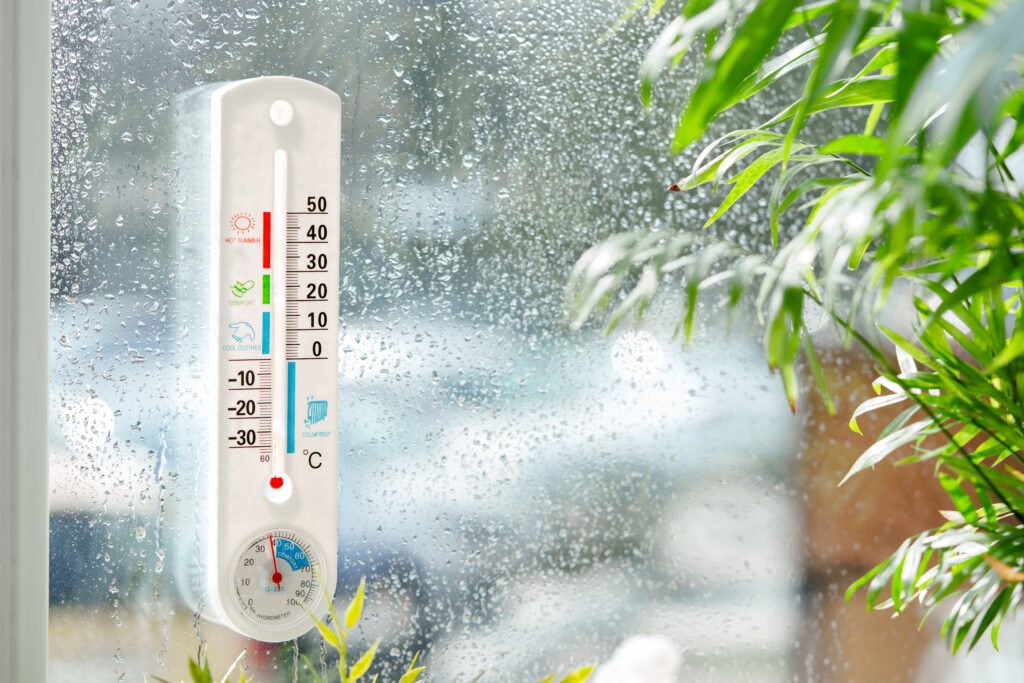
Even outside of thunderstorms, dangerous heat remains a significant concern. High temperatures combined with elevated humidity levels can push heat index values well above actual air temperatures.
Prolonged exposure to these conditions may increase the risk of:
- Heat exhaustion
- Heat cramps
- Heat stroke
- Dehydration
Vulnerable populations including children, older adults, outdoor workers, and those without access to air conditioning face the highest risk.
Safety Tips
To stay safe during periods of extreme heat and thunderstorm activity:
- Stay hydrated by drinking plenty of water.
- Limit strenuous outdoor activities during peak afternoon heat.
- Seek shelter immediately when thunder is heard.
- Monitor local forecasts and weather alerts.
- Never drive through flooded roadways.
- Check on family members, neighbors, and pets frequently.
Looking Ahead
The combination of summer heat and abundant moisture is expected to continue fueling storm development across several regions in the coming days. Residents should remain weather aware and be prepared for rapidly changing conditions. While the heat provides the energy, humidity supplies the moisture needed for thunderstorms to thrive, creating an active weather pattern that could bring both severe weather and dangerous heat impacts.
Radar Watch HQ will continue monitoring conditions and providing updates as forecasts evolve.