




Kīlauea Volcano: What to Expect and What You Need to Know About Hawaii’s Climate
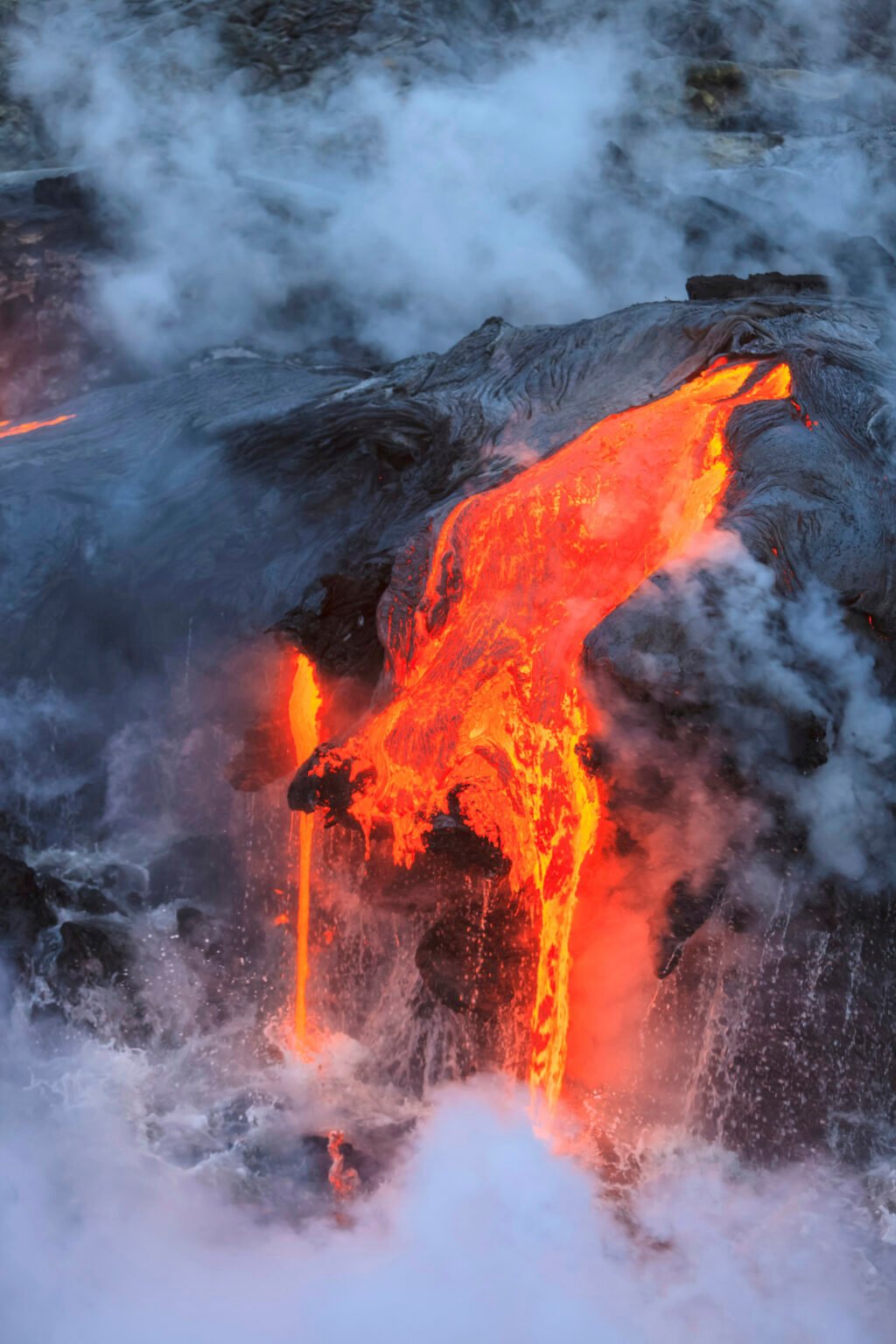
Kīlauea, located within Hawaiʻi Volcanoes National Park on Hawaii’s Big Island, remains one of the most active volcanoes on Earth. Its frequent eruptions attract scientists, photographers, and visitors from around the world while also creating unique weather and environmental challenges for local communities.
As volcanic activity continues to shape the Hawaiian Islands, understanding how Kīlauea affects the climate, air quality, and daily life is essential for both residents and tourists.
Hawaii’s Tropical Climate
Hawaii enjoys a tropical climate year-round, with warm temperatures and relatively small seasonal changes. The islands experience two primary seasons:
- Dry Season: April through October
- Wet Season: November through March
Temperatures generally range from the mid-70s to upper 80s throughout the year, depending on elevation and location. Trade winds help moderate temperatures and provide cooling relief across many areas of the islands.
However, volcanic activity can occasionally influence local weather conditions.
Understanding Vog
One of the most significant climate impacts associated with Kīlauea is volcanic smog, commonly known as “vog.”
Vog forms when sulfur dioxide gas emitted by the volcano reacts with sunlight, moisture, and atmospheric gases. Depending on wind patterns, vog can spread across portions of the Hawaiian Islands.
Potential impacts include:
- Reduced visibility
- Respiratory irritation
- Eye and throat discomfort
- Decreased air quality
- Effects on crops and vegetation
Individuals with asthma, respiratory illnesses, and other health conditions should closely monitor local air quality reports during periods of elevated volcanic emissions.
What Residents and Visitors Should Expect
Changing Air Quality
Air quality can vary significantly depending on eruption intensity and prevailing winds. Trade winds often help disperse volcanic gases, while lighter winds may allow vog concentrations to increase.
Temporary Closures
Active eruptions may lead to temporary closures of hiking trails, roads, or viewing areas near volcanic activity. Visitors should always follow guidance from park officials and emergency management agencies.
Spectacular Lava Viewing
When conditions allow, Kīlauea offers some of the most breathtaking volcanic displays in the world. Lava fountains, glowing craters, and nighttime illumination can create unforgettable viewing opportunities.
Increased Tourism Activity
Major eruptions often generate increased tourism interest, resulting in heavier traffic and larger crowds near popular viewing locations.
Safety Tips During Volcanic Activity
- Monitor official volcanic updates regularly.
- Check local air quality conditions before outdoor activities.
- Limit outdoor exposure when vog levels are elevated.
- Carry medications if you have respiratory conditions.
- Follow all evacuation notices and safety instructions.
- Stay on designated trails and observation areas.
Looking Ahead
Kīlauea continues to reshape Hawaii’s landscape through ongoing volcanic activity. While eruptions can create hazards, they also contribute to the natural beauty and geological evolution of the islands.
For residents and visitors alike, staying informed about volcanic conditions, weather patterns, and air quality forecasts is the best way to safely enjoy one of nature’s most remarkable displays. As Hawaii moves through the 2026 season, monitoring Kīlauea remains an important part of understanding both the environment and the climate across the islands.
Radar Watch HQ will continue providing updates on volcanic activity, weather impacts, air quality concerns, and climate conditions throughout Hawaii and the Pacific region.