





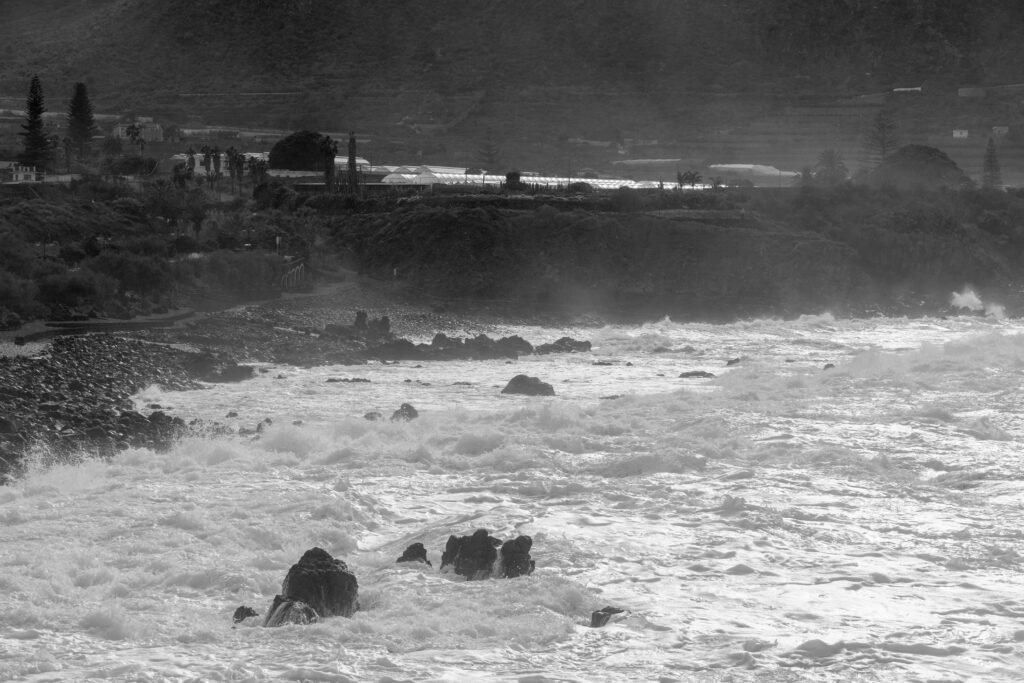
Coastal Flooding in America: How Recent Storms Are Increasing Coastal, Beach, and Marine Hazards
Coastal Communities Face Growing Risks
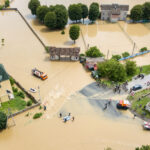
Coastal flooding has become one of the most significant weather threats facing communities across the United States. From the Gulf Coast to the Atlantic Seaboard and parts of the Pacific Coast, recent storms have increased the danger posed by coastal flooding, hazardous surf, dangerous marine conditions, and beach erosion.
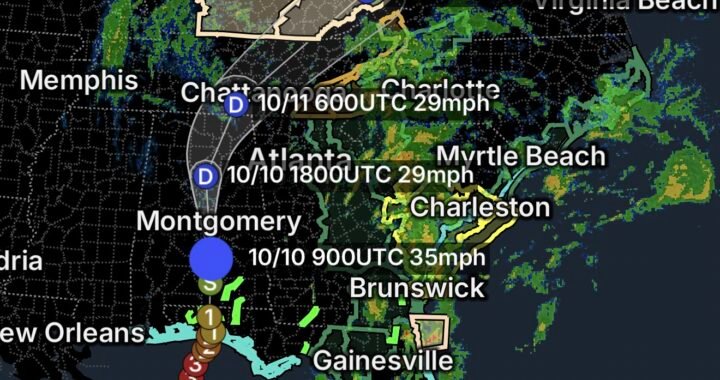
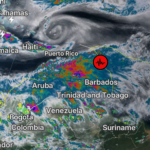
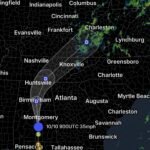
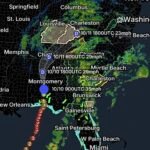
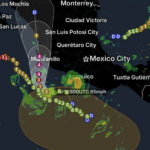
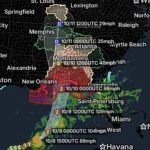
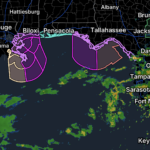
While tropical systems often receive the most attention, even weaker storms, persistent onshore winds, high astronomical tides, and excessive rainfall can create dangerous coastal conditions. In recent weeks, Tropical Storm Arthur and its remnants contributed to widespread flooding concerns across portions of the Gulf Coast and Southeast, highlighting how even short-lived tropical systems can create long-lasting impacts. (Reuters)
What Is Coastal Flooding?
Coastal flooding occurs when seawater moves inland onto normally dry land. This can happen from:
- Storm surge associated with tropical systems
- Strong onshore winds
- High astronomical tides
- King tide events
- Excessive rainfall near coastal areas
- Rising sea levels
Flooding can affect homes, businesses, roads, bridges, ports, and critical infrastructure. According to NOAA, high-tide flooding events have increased dramatically in many coastal communities over recent decades, with some locations experiencing flood events five to ten times more often than they did in the 1960s. (Coast NOAA)
Coastal Hazards Increasing Across America
Recent storms have amplified numerous coastal hazards, including:
Storm Surge
Storm surge remains one of the deadliest coastal threats. As tropical systems approach shorelines, strong winds push water inland, causing rapid flooding that can overwhelm roads and structures.
Even after tropical systems weaken, lingering moisture and low-pressure systems can continue generating coastal flooding concerns. Arthur’s remnants continued producing flooding impacts well after the storm lost tropical characteristics. (New York Post)
Beach Erosion
Repeated storms and large wave events are accelerating shoreline erosion across many coastal regions.
When large waves repeatedly strike beaches, dunes and protective natural barriers can be damaged or completely removed. This leaves coastal communities more vulnerable to future flooding and storm surge events. Rising sea levels are also increasing erosion rates in many coastal regions. (Wikipedia)
High Tide Flooding
Often called “sunny day flooding,” high tide flooding can occur without a storm present.
NOAA reports that high tide flooding is becoming increasingly common as sea levels rise. During king tide events, coastal roads, parking lots, and low-lying neighborhoods may experience flooding even under otherwise calm weather conditions. (NOAA Tides and Currents)
Beach Hazards on the Rise
Beachgoers are facing increasing dangers due to elevated surf conditions and stronger coastal currents.
Rip Currents
Rip currents remain one of the leading weather-related killers along U.S. beaches. Strong wave action generated by storms can create powerful channels of water moving away from shore.
These currents can quickly pull swimmers away from the beach, even during periods when skies appear clear.
Sneaker Waves
Sneaker waves are sudden, powerful waves that surge farther inland than surrounding waves. They can knock people off rocks, jetties, and coastal structures without warning.
Dangerous Surf
Recent king tide events along California’s coastline produced dangerous surf, strong rip currents, and coastal flooding concerns, resulting in tragic fatalities and prompting numerous coastal advisories. (The Guardian)
Marine Hazards Impacting Boaters
Marine conditions have become increasingly dangerous due to stronger storms and persistent coastal weather systems.
Common marine hazards include:
- Large swells
- Rough seas
- Gale-force winds
- Reduced visibility
- Dangerous inlets
- Waterspouts
- Coastal thunderstorms
- Strong tidal currents
Small craft operators are particularly vulnerable during these events. Even after storms move away, residual swells can continue creating hazardous conditions for days.
The National Hurricane Center has warned that developing coastal systems can bring rough surf, beach erosion, coastal flooding, and dangerous marine conditions even if they never become major tropical cyclones. (Facebook)
Sea Level Rise and Future Coastal Risks
Long-term sea level rise is compounding the impacts of storms across America’s coastlines.
Higher sea levels mean that storm surge can travel farther inland and flooding can occur more frequently. NOAA projections indicate that coastal communities will likely continue seeing increased high-tide flooding events in coming decades. (Coast NOAA)
Researchers also warn that stronger storms, rising seas, and changing coastal environments are reshaping shorelines and increasing future flood risks. (NCCOS)
How Coastal Residents Can Prepare
Residents living near coastlines should:
- Monitor National Weather Service forecasts daily
- Stay informed of Coastal Flood Advisories and Warnings
- Avoid flooded roadways
- Follow evacuation orders immediately
- Stay off jetties and rocks during high surf events
- Never underestimate rip currents
- Secure boats and marine equipment before storms
- Have emergency evacuation plans ready before hurricane season peaks
Preparation remains one of the most effective tools for reducing risk during coastal flooding events.
Final Thoughts
America’s coastlines are experiencing increasing challenges from coastal flooding, dangerous surf, marine hazards, and beach erosion. Recent storms such as Arthur have demonstrated how quickly flooding threats can develop and how long impacts can persist after a storm weakens.
As hurricane season progresses and coastal communities continue to face high tide flooding, storm surge risks, and beach hazards, staying informed and prepared will be essential for protecting lives and property along the nation’s shores.