











Saturated Soils and the Threat of More Rain: What Communities and Local Officials Need to Know
When the Ground Can No Longer Absorb Water
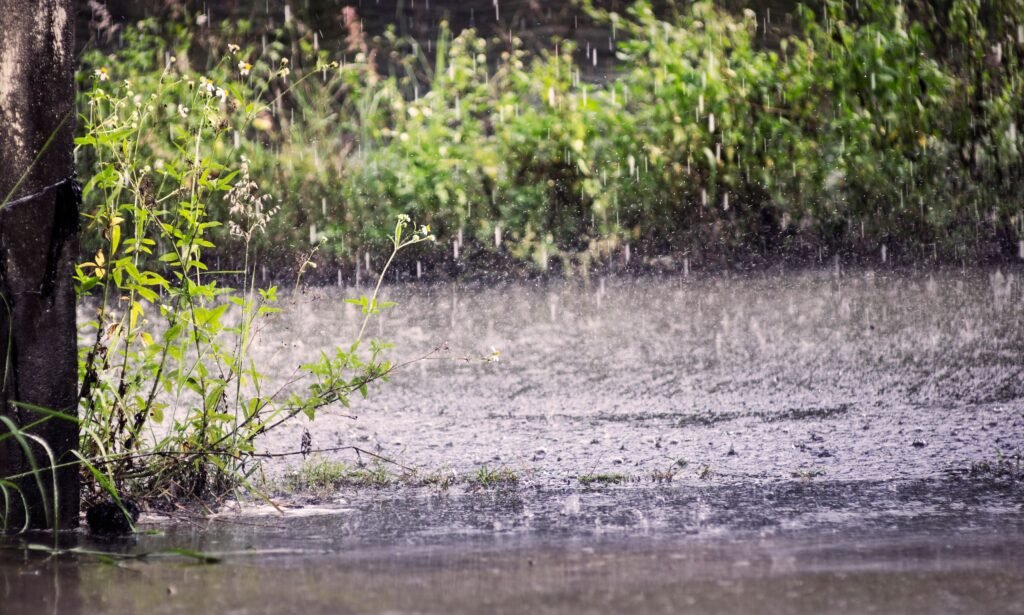
Across many regions of the United States, repeated rounds of heavy rainfall have left soils saturated and unable to absorb additional moisture. While rain is often beneficial for agriculture, water supplies, and drought relief, excessive rainfall over already saturated ground can quickly turn dangerous.
When soil reaches its maximum water-holding capacity, any additional rainfall becomes runoff. Instead of soaking into the ground, water flows into streets, rivers, creeks, streams, drainage systems, and low-lying areas. This significantly increases the risk of flash flooding, river flooding, road washouts, and property damage.
As more storms develop across the country, communities located in flood-prone regions should remain vigilant and prepared for rapidly changing conditions.
Why Saturated Ground Creates Greater Flood Risks
Even moderate rainfall can become problematic when soils are already saturated. Several hazards become more likely:
Flash Flooding
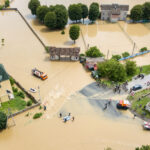
Heavy rain falling over saturated ground can lead to flash flooding within minutes. Water can quickly overwhelm drainage systems and collect in low-lying areas.
River and Creek Flooding
Streams, creeks, and rivers already running above normal levels may rise rapidly following additional rainfall, increasing the threat of flooding in nearby communities.
Roadway Flooding
Roads are among the first areas affected when runoff increases. Flooded roadways can become impassable and dangerous, especially at night when water depth is difficult to judge.
Landslides and Slope Failures
In hilly and mountainous terrain, saturated soils can weaken slopes, increasing the risk of mudslides and landslides.
Agricultural Impacts
Farmers may experience crop damage, delayed planting or harvesting, soil erosion, and standing water in fields that can harm crop development.
Challenges Facing Local Officials
Emergency managers, public works departments, and local leaders face significant challenges during prolonged wet periods.
Key concerns include:
- Monitoring rivers, creeks, and reservoirs.
- Clearing storm drains and drainage channels.
- Preparing emergency response teams.
- Communicating flood risks to residents.
- Coordinating road closures when necessary.
- Monitoring infrastructure such as bridges and culverts.
Officials often rely on weather forecasts, river gauges, and hydrological models to anticipate flooding before conditions worsen.
How Communities Can Prepare for Additional Storms
Residents living in areas that have experienced recent flooding should take proactive measures before the next round of storms arrives.
Stay Weather Aware
Monitor forecasts, flood watches, flood warnings, and local emergency alerts. Conditions can change rapidly during periods of repeated rainfall.
Review Emergency Plans
Families should know evacuation routes and have a plan in place if floodwaters threaten their homes.
Protect Property
Move valuables and important documents to higher levels. Clear gutters, drainage ditches, and storm drains around your property when safe to do so.
Avoid Flooded Roads
Never drive through flooded roadways. Just a small amount of moving water can sweep vehicles away.
Prepare Emergency Supplies
Keep flashlights, batteries, medications, drinking water, and emergency supplies readily available in case flooding disrupts normal services.
Looking Ahead
Meteorologists continue to monitor areas experiencing repeated rounds of rainfall. With soils already saturated in many locations, it will take less rain than normal to produce flooding concerns. Residents should not focus solely on rainfall totals; even seemingly modest storms can create significant impacts when the ground can no longer absorb additional water.
As storm systems continue to develop throughout the season, preparedness and awareness remain the best tools for protecting lives and property. Communities that take action before the next storm arrives will be better positioned to respond to flooding threats and recover more quickly when severe weather strikes.
Conclusion
Saturated soils are often an overlooked hazard, yet they can dramatically increase the impacts of future storms. From flash flooding and rising rivers to infrastructure challenges and agricultural losses, the effects can be widespread. Local officials, emergency managers, and residents all play an important role in preparing for the next round of rainfall. Staying informed, taking preventative action, and respecting flood warnings can help reduce risks and keep communities safe during periods of persistent wet weather.