








Increased Moisture and Humidity Levels: What They Mean for Communities Across America
As summer temperatures continue to rise across the United States, another important weather factor is increasing alongside them: moisture and humidity. Higher humidity levels are becoming more common in many regions due to warmer air temperatures, recent rainfall events, tropical moisture surges, and changing weather patterns. While humidity may seem like just an uncomfortable part of summer, it can significantly impact public safety, severe weather development, agriculture, infrastructure, and overall community health.
Why Humidity Is Increasing
Humidity refers to the amount of water vapor present in the atmosphere. Warm air can hold more moisture than cool air, meaning that as temperatures climb, the atmosphere becomes capable of storing larger amounts of water vapor.
Several factors are contributing to increased moisture levels:
- Warmer temperatures nationwide
- Recent heavy rainfall and saturated soils
- Increased evaporation from rivers, lakes, and oceans
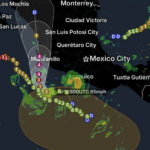
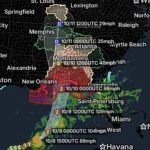
- Tropical moisture moving inland
- Persistent weather patterns that trap warm, moist air
When these conditions combine, communities can experience prolonged periods of muggy weather and elevated dew points.
Understanding Dew Points
Meteorologists often use dew point temperatures rather than relative humidity to measure how humid it actually feels.
General dew point ranges:
- Below 55°F: Comfortable
- 55°F to 65°F: Noticeably humid
- 65°F to 70°F: Very humid
- Above 70°F: Oppressive humidity
Many areas across the South, Midwest, and East Coast frequently experience dew points exceeding 70°F during summer months, creating uncomfortable and potentially dangerous conditions.
Impact on Heat Safety
One of the most significant concerns associated with increased humidity is the effect it has on the human body.
Normally, sweating helps cool the body through evaporation. However, when humidity levels are high, sweat evaporates more slowly, making it harder for the body to regulate its temperature.
This can lead to:
- Heat exhaustion
- Heat cramps
- Heat stroke
- Dehydration
- Increased stress on the cardiovascular system
Vulnerable populations include:
- Older adults
- Young children
- Outdoor workers
- Athletes
- Individuals with chronic health conditions
Communities should pay close attention to Heat Advisories and Extreme Heat Warnings issued by the National Weather Service.
Fuel for Severe Thunderstorms
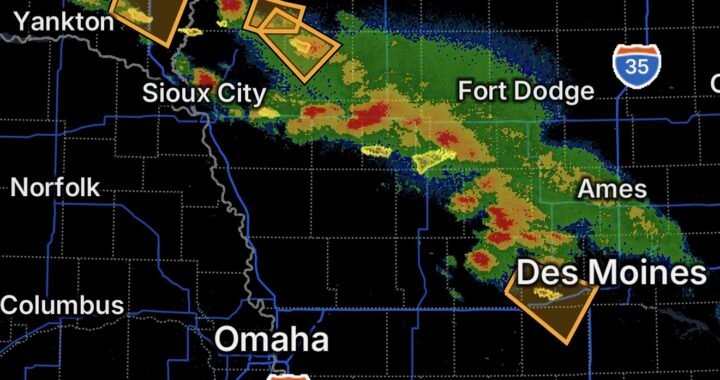
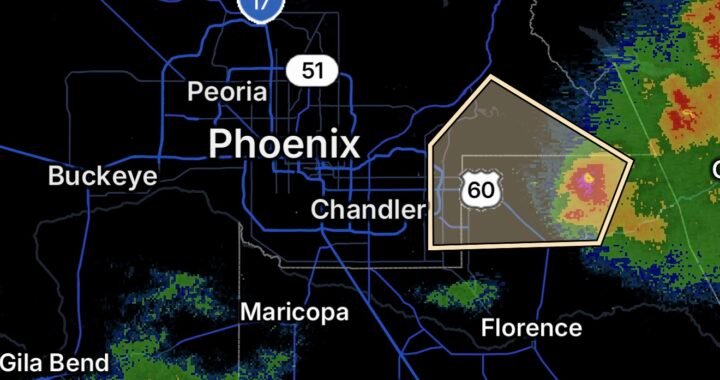
Moisture is one of the key ingredients necessary for thunderstorm development. Increased humidity provides additional atmospheric energy that can support:
- Severe thunderstorms
- Torrential rainfall
- Flash flooding
- Frequent lightning
- Damaging wind gusts
- Large hail
- Tornadoes
When warm, moist air collides with colder air masses or weather fronts, storms can rapidly intensify.
Meteorologists often monitor precipitable water values and atmospheric moisture content when forecasting flooding and severe weather events.
Flooding Concerns Continue
Higher atmospheric moisture means storms can produce heavier rainfall rates in shorter periods of time.
This can increase flooding risks for:
- Urban roadways
- Rivers and streams
- Low-lying communities
- Agricultural land
- Drainage systems
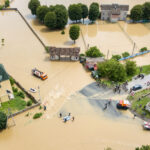
In areas where soils are already saturated from recent storms, even moderate rainfall can quickly trigger flash flooding.
Residents should never drive through flooded roadways and should remain alert for Flood Watches and Flash Flood Warnings.
Agricultural Impacts
Farmers face both benefits and challenges from increased moisture.
Potential benefits:
- Reduced irrigation needs
- Improved soil moisture
- Better crop growth during dry periods
Potential concerns:
- Crop diseases
- Fungal growth
- Delayed harvesting
- Soil erosion
- Standing water damage
Agricultural producers across many regions continue monitoring soil conditions closely as periods of excessive moisture become more frequent.
Coastal and Marine Effects
Along coastal regions, increased humidity often accompanies tropical moisture and warmer ocean temperatures.
This can contribute to:
- Reduced visibility due to fog
- Stronger thunderstorms over coastal waters
- Increased tropical development potential
- Dangerous marine conditions
- Coastal flooding during storm events
Boaters and beachgoers should monitor marine forecasts closely during periods of elevated moisture and tropical activity.
How Communities Can Stay Safe
As humidity levels increase, preparedness becomes increasingly important.
Safety recommendations include:
- Stay hydrated throughout the day
- Limit strenuous outdoor activities during peak heat
- Wear lightweight clothing
- Check on vulnerable family members and neighbors
- Monitor local weather forecasts
- Have multiple ways to receive weather alerts
- Know the signs of heat-related illnesses
- Avoid flooded roadways during heavy rainfall
Looking Ahead
Meteorologists expect periods of elevated humidity and moisture to continue across many parts of the United States throughout the summer season. While humidity is a normal part of warm-weather patterns, increasing moisture levels can amplify the impacts of heat waves, severe thunderstorms, and flooding events.
Understanding how humidity affects both weather and personal safety can help communities better prepare for changing conditions and reduce weather-related risks throughout the summer months.