Wildfires on the Rise in 2026: Understanding Red Flag Warnings, Fire Weather Watches, and Growing Fire Danger Across America
Wildfire Activity Increasing Across the United States
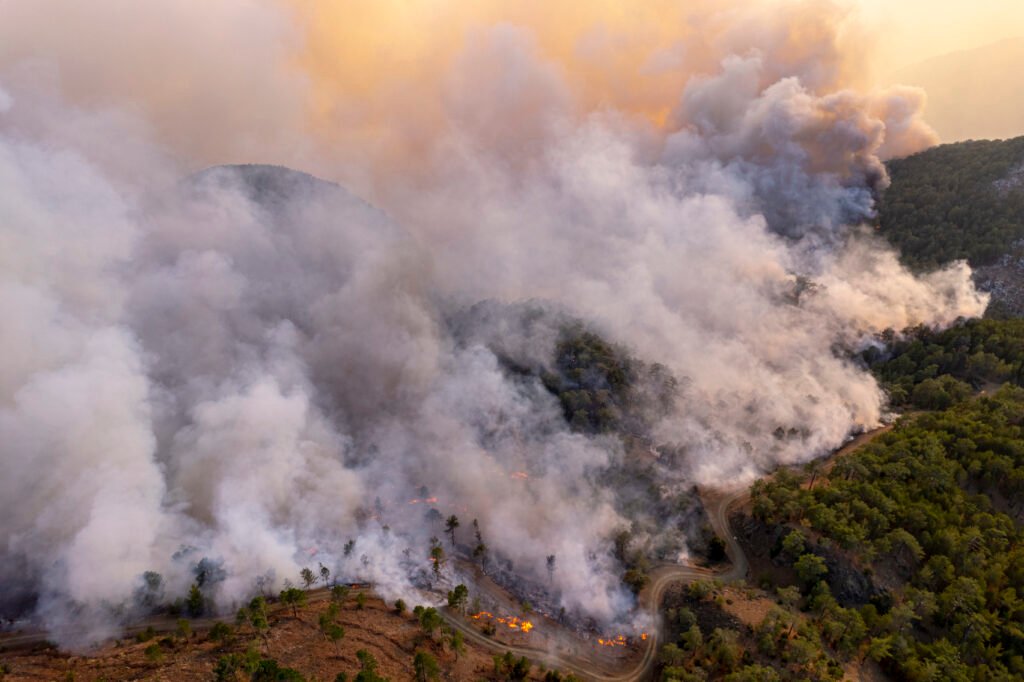
The 2026 wildfire season is shaping up to be one of the most active in recent years, with firefighters already responding to thousands of wildfires across the country. Dry conditions, low humidity levels, prolonged drought, gusty winds, and above-average temperatures have created an environment where even a small spark can rapidly grow into a dangerous wildfire.
According to national fire outlooks, wildfire activity and acres burned in 2026 are running well above historical averages, raising concerns for communities across the West, Great Plains, Midwest, and parts of the Southeast. Fire officials are closely monitoring conditions as summer heat intensifies and vegetation continues to dry out. (National Interagency Fire Center)
What Is a Fire Weather Watch?
A Fire Weather Watch is issued when weather conditions are favorable for dangerous wildfire behavior within the next 12 to 72 hours.
Meteorologists issue these watches when a combination of factors is expected, including:
- Strong winds
- Low relative humidity
- Dry vegetation and fuels
- Hot temperatures
- Potential dry lightning
A Fire Weather Watch serves as an early warning that critical fire weather conditions may develop and that residents should begin preparing for possible wildfire threats. (National Weather Service)
What Is a Red Flag Warning?
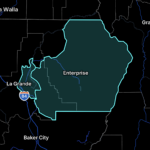
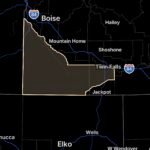
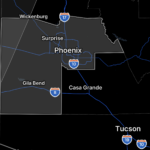
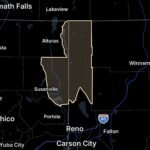
A Red Flag Warning is issued when critical fire weather conditions are either occurring or expected to occur soon.
These warnings represent some of the most dangerous wildfire conditions that firefighters and emergency managers face. During a Red Flag Warning:
- Wildfires can ignite easily.
- Existing fires can spread rapidly.
- Fire behavior becomes more extreme.
- Evacuation situations can develop quickly.
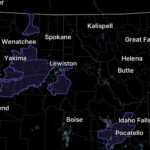
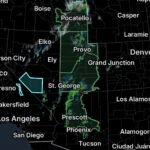
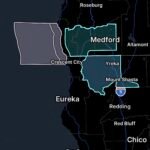
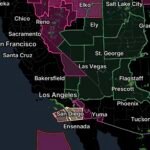
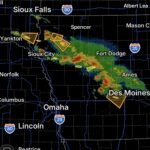
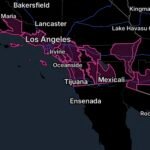
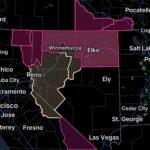
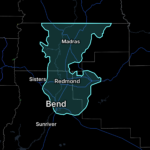
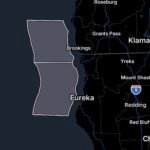
Recent Red Flag Warnings have been issued across portions of California, Nevada, Alaska, and other fire-prone regions due to low humidity, strong winds, and dry fuels. Forecasters warn that dry thunderstorms and lightning strikes could create numerous new fire starts in vulnerable areas. (San Francisco Chronicle)
Why Wildfire Risk Is Growing in 2026
Several weather and climate factors are contributing to elevated fire danger this year.
Prolonged Dry Conditions
Many regions experienced below-normal precipitation during the spring, allowing grasses, brush, and forests to dry out earlier than usual. Large portions of the United States continue to experience drought conditions, increasing wildfire susceptibility. (National Interagency Fire Center)
Low Humidity Levels
Relative humidity plays a critical role in wildfire behavior. When humidity drops, vegetation loses moisture and becomes more combustible. Several Red Flag Warning events this year have featured humidity levels falling below 20 percent, with some locations experiencing single-digit humidity values. (San Francisco Chronicle)
Strong Winds
Wind remains one of the most dangerous wildfire ingredients. Gusty conditions can push flames rapidly across landscapes, carry embers long distances, and overwhelm suppression efforts. (San Francisco Chronicle)
Dry Lightning
Thunderstorms that produce lightning but little rainfall are particularly concerning. Dry lightning events can ignite multiple fires simultaneously, especially in remote mountainous terrain. Fire weather officials recently warned of dry lightning outbreaks across parts of Northern California and the Great Basin. (San Francisco Chronicle)
Areas Facing Elevated Fire Potential
National fire outlooks indicate above-normal wildfire potential across portions of:
- California
- Oregon
- Washington
- Idaho
- Montana
- Nevada
- Wyoming
- Colorado
- Nebraska
- Texas
- The Northern Rockies
- Parts of the Great Plains
Many of these areas are experiencing warmer-than-average temperatures, drought concerns, and drying fuels that could support significant wildfire activity through the summer months. (National Interagency Fire Center)
How Communities Can Stay Safe
Wildfire preparedness begins long before smoke appears on the horizon.
Residents should:
- Create defensible space around homes.
- Remove dead vegetation and debris.
- Follow local burn restrictions.
- Avoid activities that create sparks during Red Flag Warnings.
- Prepare emergency evacuation plans.
- Sign up for local emergency alerts.
- Monitor weather forecasts and fire weather statements.
Even routine outdoor activities can become hazardous during critical fire weather conditions.
Looking Ahead
As summer progresses, meteorologists and fire agencies will continue monitoring drought conditions, heat waves, wind events, and lightning outbreaks that could increase wildfire activity. The combination of dry fuels, low humidity, and persistent heat is expected to keep fire danger elevated across many regions of the United States.
Red Flag Warnings and Fire Weather Watches are not just forecasts—they are critical alerts designed to protect lives and property. Understanding these warnings and taking action early can make a significant difference when wildfire threats emerge.
As 2026 continues, communities across America are being reminded that wildfire preparedness is becoming a year-round responsibility.