Red Flag Warnings Explained: Why Fire Danger Is Rising Across America
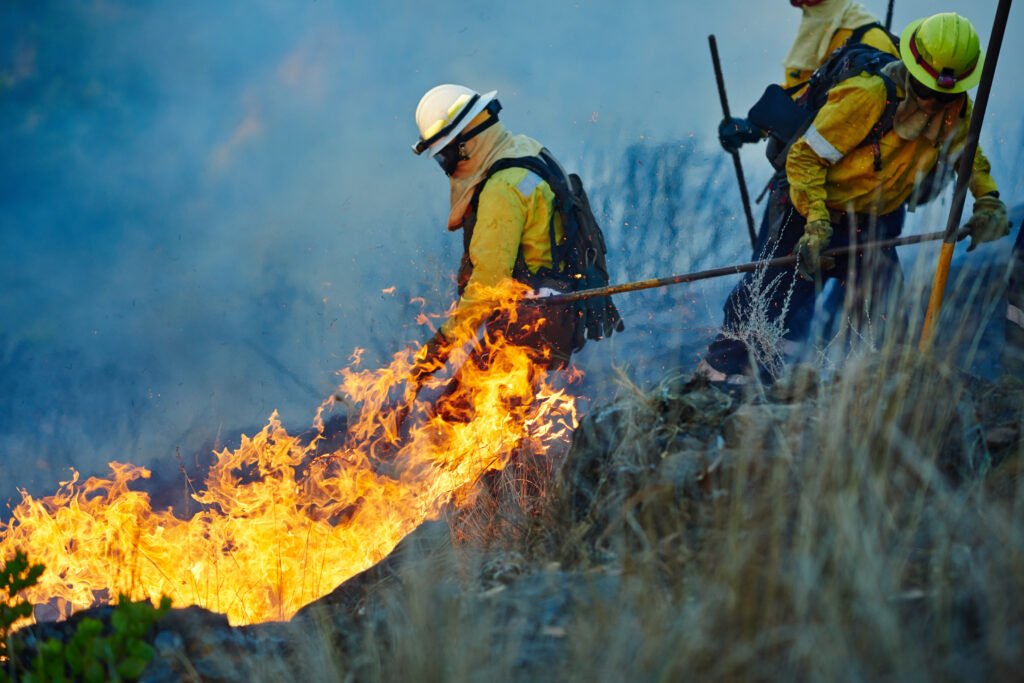
As summer heat intensifies across the United States, weather officials are issuing an increasing number of Red Flag Warnings and Fire Weather Watches. These alerts signal dangerous conditions that can lead to rapid wildfire growth, threatening communities, wildlife, infrastructure, and first responders.
Understanding what these warnings mean and why they are becoming more common can help residents stay prepared during periods of elevated fire danger.
What Is a Red Flag Warning?
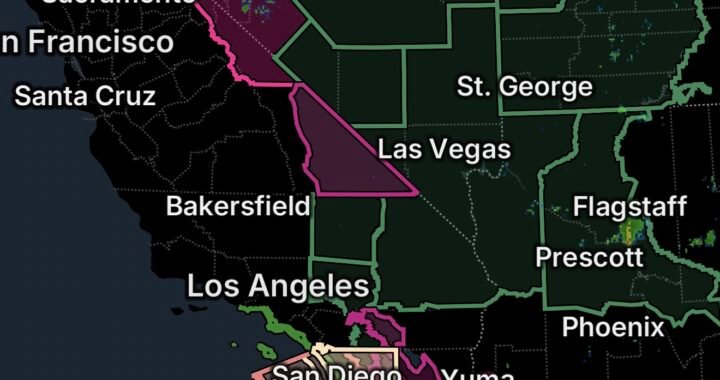
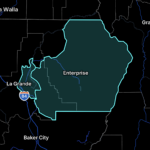
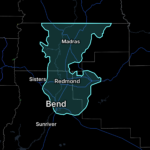
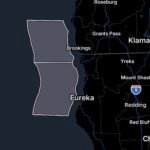
A Red Flag Warning is issued by the National Weather Service when critical fire weather conditions are occurring or expected shortly. These conditions create an environment where any fire that starts can spread quickly and become difficult to control.
A Red Flag Warning is typically issued when several factors come together:
- Very low relative humidity
- Strong and gusty winds
- Dry vegetation and fuels
- Ongoing drought conditions
- High temperatures
When these conditions align, even a small spark from equipment, campfires, discarded cigarettes, or lightning can ignite a fast-moving wildfire.
Fire Weather Watches vs. Red Flag Warnings
While both alerts focus on wildfire danger, there is an important distinction:
Fire Weather Watch
A Fire Weather Watch is issued when critical fire weather conditions are possible within the next 12 to 72 hours. It serves as an early heads-up for communities and emergency managers.
Red Flag Warning
A Red Flag Warning is issued when dangerous fire weather conditions are either occurring now or expected soon. This is a higher-level alert requiring immediate caution.
Why Are Red Flag Warnings Increasing?
Several factors are contributing to the rise in fire weather alerts across the nation.
Extended Drought Conditions
Many regions continue to experience below-average rainfall, leading to dry grasses, brush, and forests. These fuels ignite more easily and burn more intensely.
Extreme Heat
Heat waves can rapidly dry vegetation and lower humidity levels. Hotter temperatures also increase evaporation rates, removing moisture from soils and plants.
Strong Wind Events
Wind is one of the most dangerous wildfire ingredients. It can push flames across landscapes, carry embers long distances, and create unpredictable fire behavior.
Earlier and Longer Fire Seasons
Many areas are seeing fire seasons begin earlier in spring and extend later into fall. This increases the number of days when dangerous fire weather conditions can develop.
Areas Most Vulnerable
Although wildfire danger exists nationwide, certain regions face higher risks during Red Flag events:
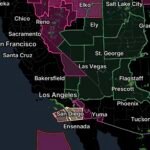
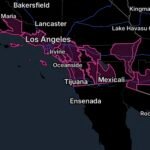
- Western United States
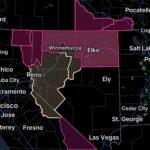
- Great Basin
- Southwest deserts
- Rocky Mountain states
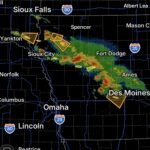
- Southern Plains
- Parts of the Southeast during drought periods
Grassland fires in the Plains can spread just as rapidly as forest fires, especially when strong winds accompany dry conditions.
What Residents Should Do During a Red Flag Warning
When a Red Flag Warning is issued, everyone has a role in preventing wildfire starts.
Avoid Activities That Create Sparks
Postpone activities such as:
- Outdoor burning
- Fireworks
- Welding
- Operating equipment that may generate sparks
Follow Local Burn Restrictions
Many jurisdictions implement burn bans during periods of elevated fire danger. Always follow local regulations.
Prepare Your Property
Create defensible space around homes by:
- Removing dead vegetation
- Trimming trees and shrubs
- Clearing gutters
- Keeping grass mowed
Have an Evacuation Plan
Know multiple evacuation routes and prepare emergency supplies in case wildfire conditions worsen rapidly.
Fire Weather and Public Safety
Red Flag Warnings are not wildfire warnings themselves. Instead, they indicate that the atmosphere is primed for fires to start and spread quickly.
Taking these alerts seriously can reduce human-caused ignitions and help emergency agencies focus resources where they are needed most.
As temperatures rise and drought conditions persist in many areas, Red Flag Warnings will likely remain a frequent part of the weather landscape. Staying informed and practicing fire-safe habits can help protect lives, property, and natural resources throughout the fire season.
Final Thoughts
Wildfires often begin with a single spark, but under Red Flag conditions that spark can become a major emergency within minutes. Understanding fire weather alerts and acting responsibly during periods of elevated fire danger can make a significant difference in protecting communities across America.
Stay weather aware, monitor local forecasts, and always respect fire weather warnings issued for your area.