


The Growing Threat of Flash Flooding Across America
Flash Flooding Is Becoming a Bigger Concern Nationwide
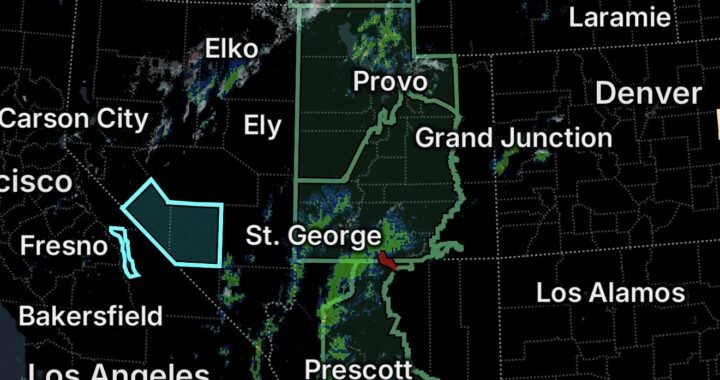
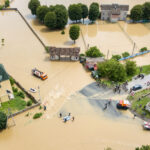
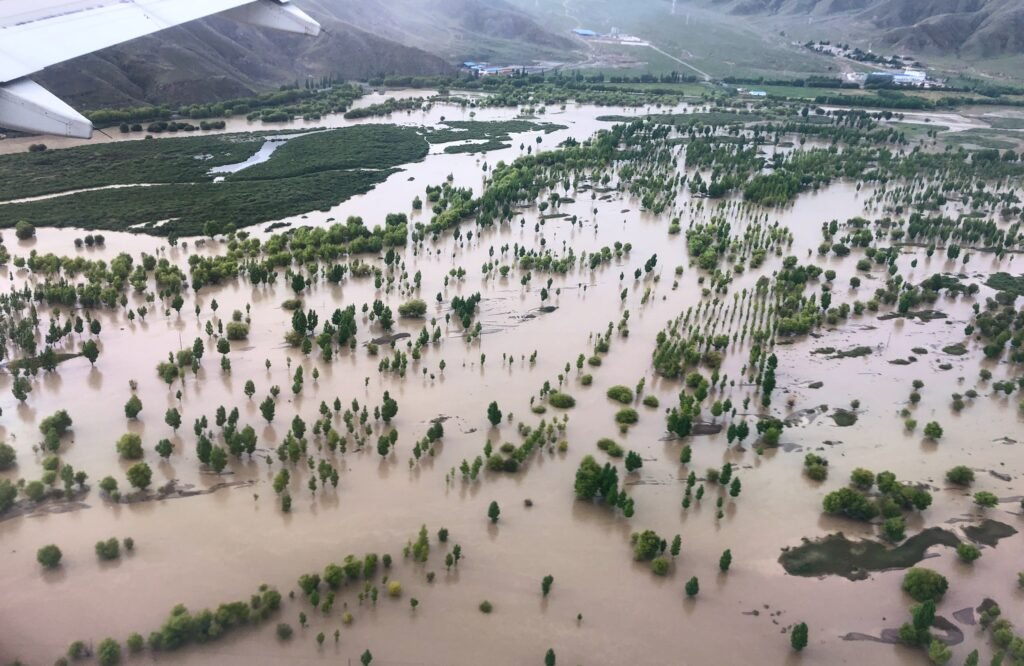
Flash flooding continues to be one of the deadliest and fastest-developing weather hazards in the United States. From urban neighborhoods and rural communities to mountain valleys and coastal regions, flash floods can develop with little warning and leave devastating impacts behind.
As extreme rainfall events become more common and communities continue to expand into flood-prone areas, emergency managers and meteorologists are increasingly concerned about the growing threat posed by flash flooding across America.
What Is Flash Flooding?
Flash flooding occurs when heavy rainfall causes water levels to rise rapidly, overwhelming drainage systems, creeks, streams, rivers, and low-lying areas. Unlike traditional river flooding, which can take days to develop, flash floods can occur within minutes or hours after intense rainfall begins.
These events often happen when:
- Slow-moving thunderstorms remain over the same location.
- Training storms repeatedly move over the same area.
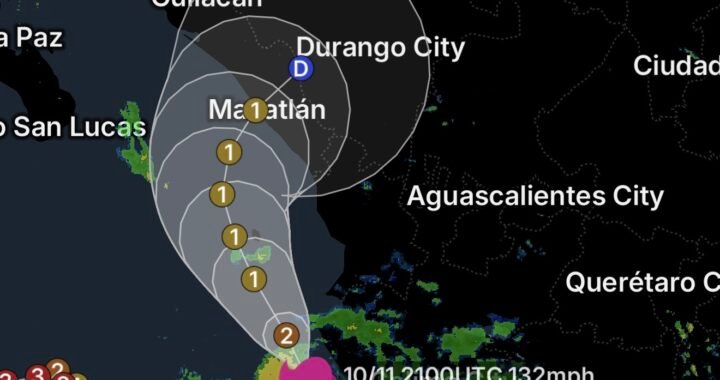
- Tropical systems produce excessive rainfall.
- Urban areas experience rapid runoff due to concrete and pavement.
- Saturated soils can no longer absorb additional rainwater.
Why Flash Flooding Is Increasing
Several factors are contributing to the increase in flash flooding events across the country:
More Intense Rainfall Events
Warmer air can hold more moisture, leading to heavier downpours when storms develop. In many regions, rainfall rates are becoming more intense, producing several inches of rain in a short amount of time.
Urban Development
As cities grow, natural surfaces are replaced by roads, parking lots, and buildings. These surfaces prevent water from soaking into the ground, increasing runoff and flood risks.
Saturated Ground Conditions
Many areas have experienced repeated rounds of rainfall in recent years. When soils become saturated, additional rainfall quickly runs off into waterways, increasing flood potential.
Tropical Systems and Remnants
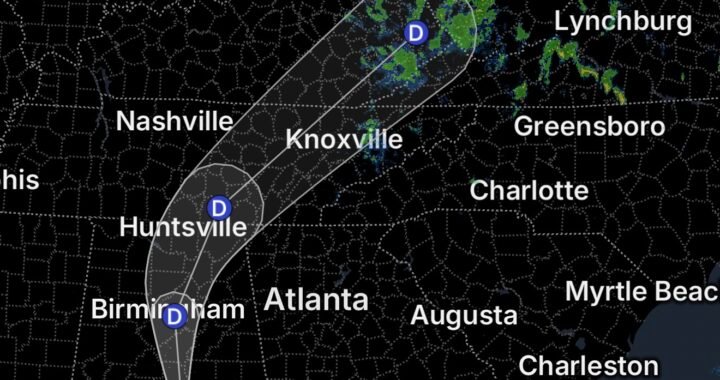
Tropical storms and hurricanes often bring excessive rainfall far inland. Even weakening tropical systems can produce life-threatening flash flooding hundreds of miles from the coast.
Areas Most Vulnerable
Flash flooding can happen anywhere, but some regions face higher risks:
- Gulf Coast states
- Appalachian Mountain communities
- Mid-Atlantic urban corridors
- Southern Plains
- Midwest river basins
- Desert Southwest burn scar regions
- Coastal communities during tropical weather events
Low-water crossings, underpasses, small streams, and urban streets are particularly vulnerable during heavy rainfall.
The Human Impact
Flash floods can have devastating consequences:
- Road closures and transportation disruptions
- Damage to homes and businesses
- Agricultural losses
- Infrastructure failures
- Water rescues
- Power outages
- Injuries and fatalities
Many flood-related deaths occur when individuals attempt to drive through flooded roadways.
The National Weather Service’s “Turn Around, Don’t Drown” campaign continues to emphasize the dangers of entering floodwaters, as just a small amount of moving water can sweep vehicles off roadways.
Understanding Flash Flood Alerts
Flood Watch
A Flood Watch means conditions are favorable for flooding. Residents should stay alert and monitor forecasts closely.
Flash Flood Warning
A Flash Flood Warning means flash flooding is occurring or expected soon. Immediate action should be taken to move to higher ground.
Flash Flood Emergency
A Flash Flood Emergency is the highest level of flash flood alert and is issued only during catastrophic, life-threatening flooding situations where widespread danger to life exists.
How to Stay Safe
Preparation can save lives during flash flood events:
- Monitor weather forecasts and alerts regularly.
- Have multiple ways to receive warnings.
- Know evacuation routes in flood-prone areas.
- Never drive through flooded roads.
- Move immediately to higher ground when flooding develops.
- Keep emergency supplies ready.
- Avoid walking through moving water.
- Follow instructions from local emergency management officials.
Looking Ahead
As weather patterns continue to produce periods of extreme rainfall, flash flooding will remain a major concern for communities across the United States. Improving forecasting technology, public awareness, and preparedness efforts are helping save lives, but residents must remain vigilant whenever heavy rainfall threatens.
Flash floods can develop quickly and without much warning. Understanding the risks, recognizing weather alerts, and taking action early can make all the difference when floodwaters begin to rise.
Staying weather-aware remains one of the most effective ways to protect yourself, your family, and your community from one of nature’s most dangerous hazards.