








Southern California Weather Alert: Heat Advisories, Air Quality Concerns, and Beach Hazards Impacting the Region
Southern California is facing a combination of weather and environmental hazards as dangerous heat, air quality concerns, and hazardous beach conditions create risks for residents and visitors alike. Weather officials are urging the public to stay informed as temperatures climb, outdoor conditions become increasingly uncomfortable, and coastal dangers continue along area beaches. (National Weather Service)
Heat Advisory Conditions Across Southern California
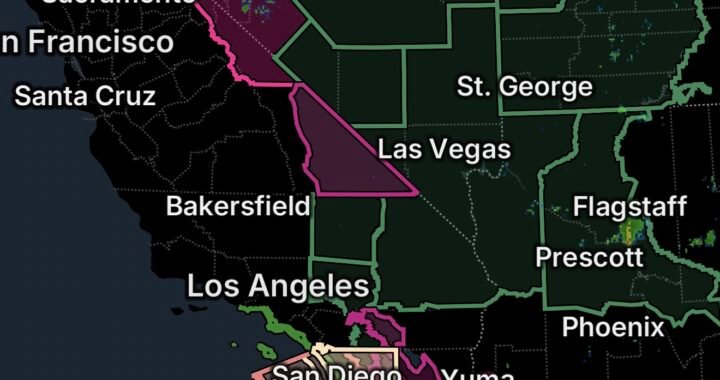
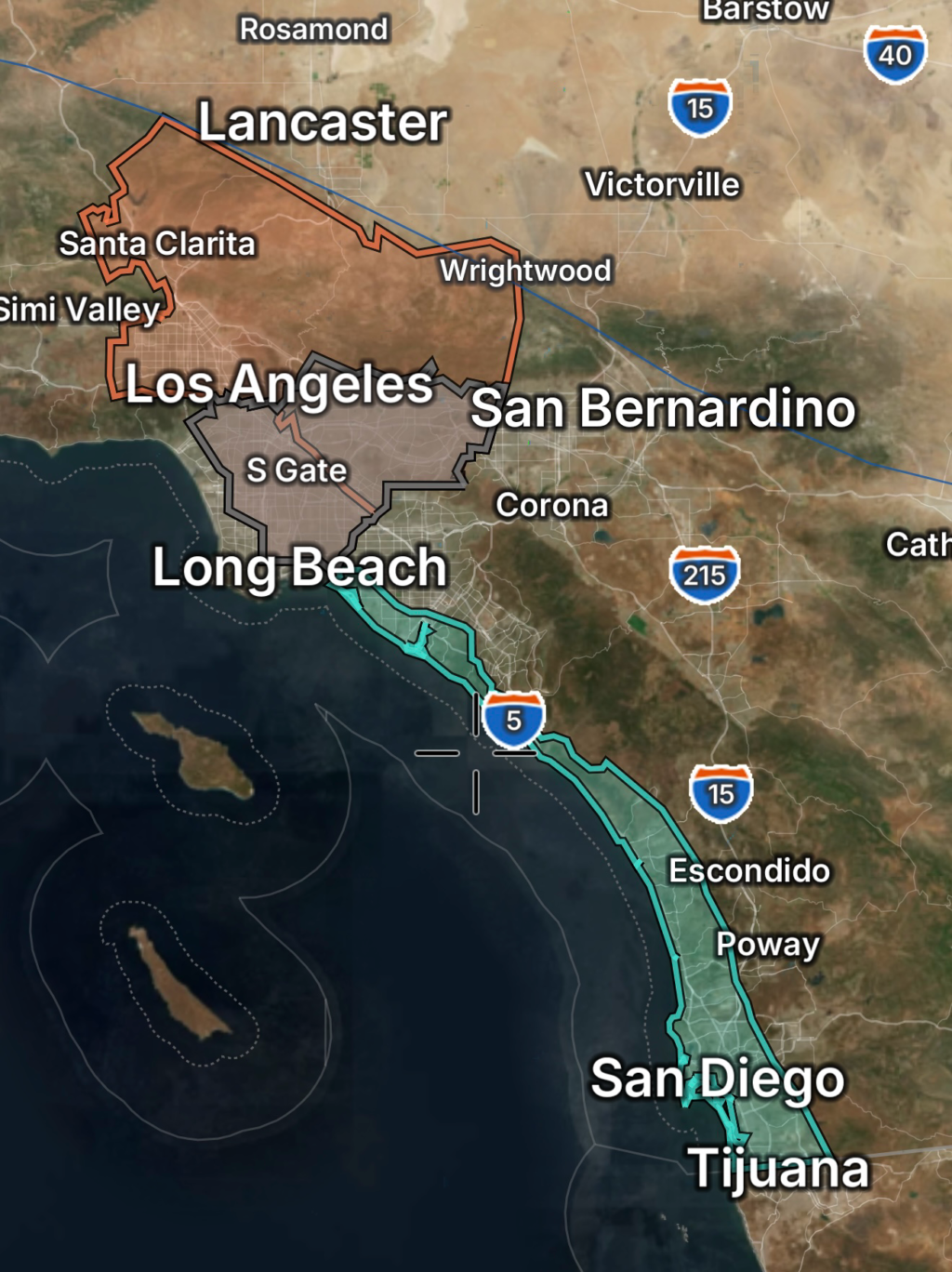
A prolonged stretch of hot weather is affecting much of Southern California, with temperatures soaring well above seasonal averages. Inland valleys, deserts, and urban areas are expected to experience the most significant heat impacts, while even coastal communities may see unusually warm conditions.
Heat advisories are issued when temperatures become high enough to increase the risk of heat-related illnesses, particularly among vulnerable populations such as older adults, children, outdoor workers, and those with chronic medical conditions. Public health officials recommend limiting outdoor activities during peak afternoon hours, staying hydrated, and checking on family members and neighbors who may be sensitive to extreme heat. (Los Angeles County)
Heat Safety Tips
- Drink water frequently, even if you do not feel thirsty.
- Avoid strenuous outdoor activity during the hottest part of the day.
- Wear lightweight, light-colored clothing.
- Never leave children or pets inside parked vehicles.
- Utilize cooling centers or air-conditioned buildings when possible.
- Check on elderly relatives, neighbors, and friends.
Air Quality Concerns Return to Southern California
As temperatures rise, air quality often deteriorates across Southern California. Elevated ozone levels, vehicle emissions, wildfire smoke, and stagnant weather patterns can contribute to unhealthy air conditions.
The South Coast Air Quality Management District monitors conditions across Los Angeles, Orange, Riverside, and San Bernardino Counties and notes that summer heat can increase pollution levels. Sensitive groups—including those with asthma, heart disease, respiratory conditions, children, and older adults—should closely monitor local air quality forecasts before spending extended periods outdoors. (AQMD)
Recent wildfire smoke advisories have also demonstrated how quickly air quality can worsen when fires develop across the region. Smoke particles can travel significant distances and create hazardous breathing conditions even far from active fire zones. (Los Angeles County Public Health)
Air Quality Safety Recommendations
- Monitor local Air Quality Index (AQI) reports.
- Reduce outdoor exercise when air quality reaches unhealthy levels.
- Keep windows closed when smoke or pollution is present.
- Use high-efficiency air filtration indoors if available.
- Individuals with respiratory conditions should follow their healthcare provider’s recommendations.
Beach Hazards Statement Issued for Southern California Coast
While many residents head to the beach to escape the heat, coastal conditions may present dangers of their own. Beach Hazards Statements are often issued when ocean conditions increase the risk of rip currents, strong surf, and dangerous wave activity.
Meteorologists warn that long-period swells can generate powerful rip currents capable of pulling swimmers away from shore. Even experienced swimmers can become overwhelmed by strong currents and unexpected wave action. Recent coastal statements have highlighted the potential for dangerous surf, sneaker waves, and stronger-than-normal rip current activity along California beaches. (San Francisco Chronicle)
Beach Safety Tips
- Swim near staffed lifeguard towers whenever possible.
- Never turn your back on the ocean.
- Stay off rocks, jetties, and coastal cliffs during hazardous surf conditions.
- If caught in a rip current, remain calm and swim parallel to shore.
- Closely supervise children near the water.
- Pay attention to posted warnings and flag systems.
Multiple Hazards Require Increased Awareness
The combination of excessive heat, air quality concerns, and beach hazards creates a challenging environment across Southern California. Residents seeking relief from the heat should remain aware that both inland and coastal areas carry their own weather-related risks.
Staying informed through local forecasts, weather alerts, air quality updates, and beach safety advisories can help reduce the risk of heat-related illness, respiratory issues, and water emergencies during this active weather pattern. As summer conditions continue across Southern California, preparedness and awareness remain the best tools for staying safe.