


Iron Fire Explodes Across Central Utah: Evacuations Ordered as Wildfire Rapidly Expands
The Iron Fire has quickly become one of the most significant wildfires burning in Utah this season, forcing evacuations and prompting a major firefighting response as hot, dry, and windy conditions continue to fuel dangerous fire behavior.
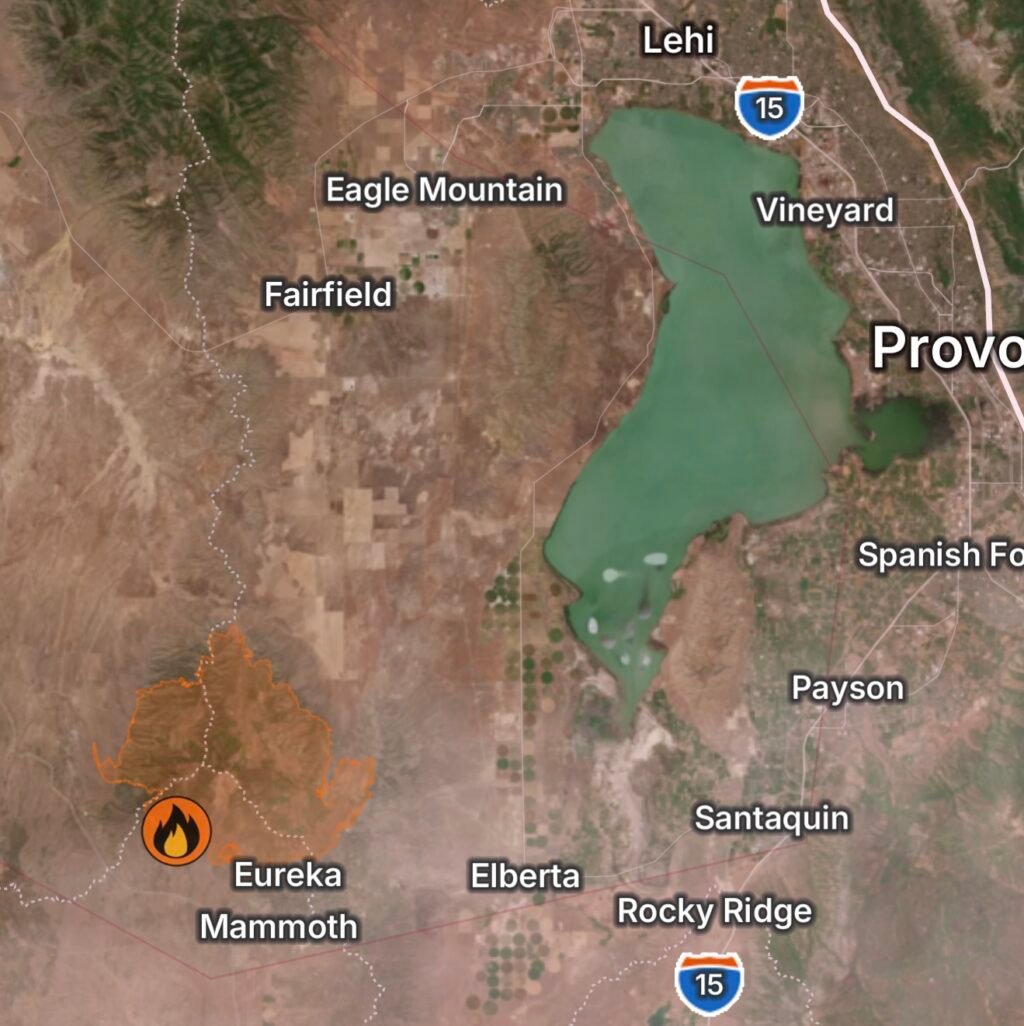
Located near the town of Eureka in Juab County, the Iron Fire was first reported on June 20 and rapidly expanded across rugged terrain. Within hours, the wildfire grew from a few thousand acres to more than 13,000 acres, eventually reaching nearly 22,000 acres while remaining largely uncontained. Fire officials have described the blaze as human-caused, though the exact cause remains under investigation. (KSL)
Evacuations and Community Impact
As fire activity intensified, emergency managers ordered mandatory evacuations for residents of Eureka and nearby areas. Road closures were implemented to allow residents to safely leave and to provide firefighters access to critical operations. Emergency shelters were established for displaced residents while crews worked to protect homes and infrastructure. (KSL)
Despite the fire’s rapid growth, firefighters successfully conducted defensive operations around Eureka, helping prevent the loss of primary structures. Officials reported that no homes had been destroyed during the initial stages of the incident, a significant achievement given the fire’s size and aggressive spread. (Gephardt Daily)
Weather Conditions Fueling Fire Growth
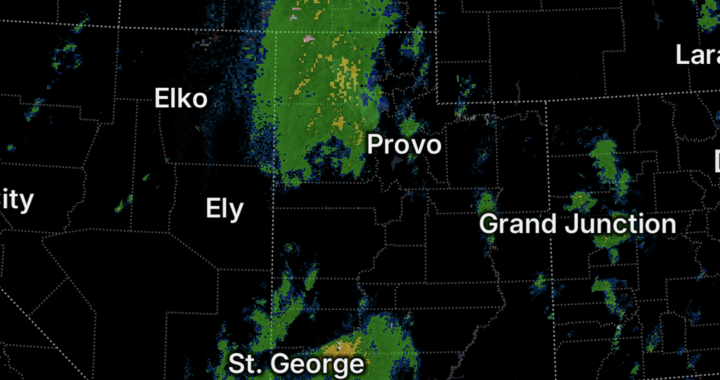
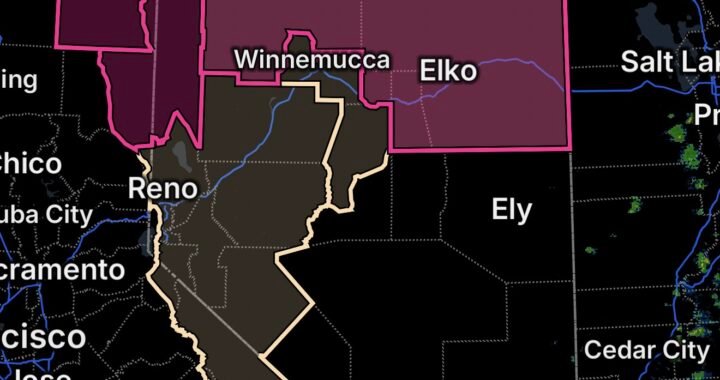
Extreme heat, drought conditions, low humidity, and gusty winds have created an environment highly favorable for wildfire development across much of the Intermountain West. Much of Utah remains under severe to extreme drought conditions, increasing the risk of fast-moving wildfires and making suppression efforts more difficult. (The Guardian)
Fire behavior experts note that dry vegetation can ignite easily and allow flames to spread rapidly, particularly when combined with strong afternoon winds. These factors contributed significantly to the Iron Fire’s explosive growth over the weekend. (The Guardian)
Firefighting Efforts Continue
Hundreds of firefighters, engines, bulldozers, aircraft, and support personnel have been deployed to combat the Iron Fire. Crews continue constructing containment lines, conducting aerial water and retardant drops, and monitoring fire activity around populated areas. Federal incident management teams have also been brought in to coordinate ongoing suppression efforts. (KSL)
Officials warn that changing weather conditions could influence fire behavior, and evacuation orders may remain in effect until firefighters can establish stronger containment lines and reduce threats to communities.
Wildfire Safety Reminders
Residents living near wildfire-prone areas should remain prepared throughout the summer fire season by:
- Monitoring local emergency alerts and evacuation notices.
- Keeping emergency kits readily available.
- Creating defensible space around homes.
- Avoiding activities that could spark fires during dry conditions.
- Following all fire restrictions and burn bans.
Looking Ahead
The Iron Fire serves as another reminder of the growing wildfire challenges facing the western United States. With drought conditions persisting and temperatures remaining above average, fire agencies across the region remain on high alert.
Radar Watch HQ will continue monitoring the Iron Fire and other significant wildfire incidents as firefighting efforts continue and new information becomes available.