Utah Wildfires 2026: Extreme Fire Danger Fuels a Growing Crisis Across the State
As the summer of 2026 unfolds, Utah is facing one of its most active and concerning wildfire seasons in recent years. Dry fuels, prolonged drought conditions, above-average temperatures, and gusty winds have combined to create dangerous fire weather across much of the state. Multiple large wildfires have already forced evacuations, threatened communities, and strained firefighting resources. (The Guardian)
Why Utah’s Fire Risk Is So High in 2026
State officials warned earlier this year that Utah was heading into an especially dangerous wildfire season. A dry winter left snowpack levels below normal in many areas, while persistent drought and unusually warm spring temperatures accelerated the drying of grasses, brush, and forest fuels. By late spring, fire outlooks were already projecting above-normal wildfire activity across much of southern and central Utah. (Utah News Dispatch)
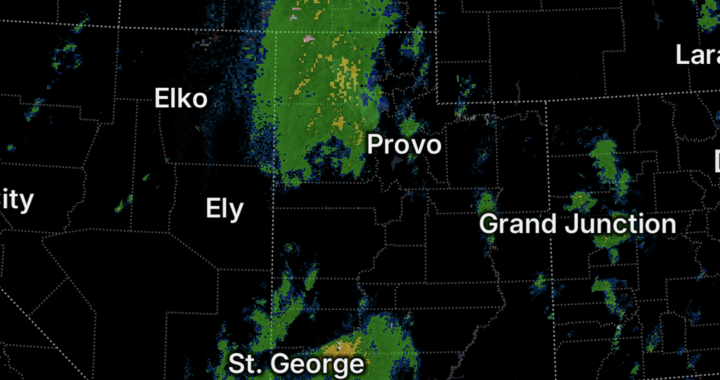
Meteorologists and fire managers continue to monitor periods of strong winds, low humidity, and dry lightning, all of which can rapidly increase fire growth potential across the Great Basin and Intermountain West. (San Francisco Chronicle)
Major Utah Wildfires in June 2026
Iron Fire
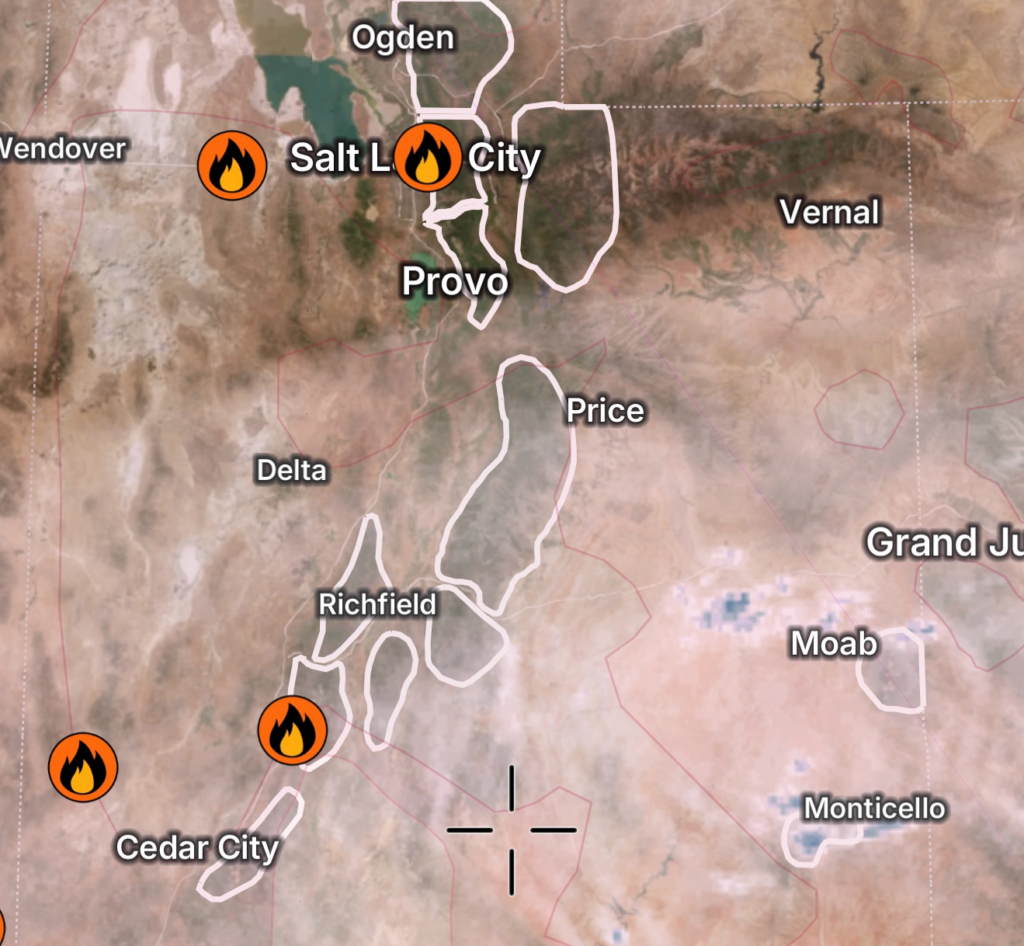
One of the largest and most significant fires of the season is the Iron Fire near Eureka in Juab County. The fire ignited on June 19 and rapidly expanded under dry and windy conditions. According to Utah Fire Info, the wildfire has burned more than 31,000 acres and prompted evacuations and extensive firefighting operations. Hundreds of firefighters have been assigned to the incident as crews work to protect homes and critical infrastructure. (Facebook)
Hastings Fire
The Hastings Fire in Tooele County has also become a major concern. The fire grew to approximately 20,000 acres, prompting local officials to implement stricter fire prevention measures, including fireworks restrictions in nearby communities. Firefighters continue to battle difficult terrain, dry fuels, and challenging weather conditions. (People.com)
Bonneville Fire
Near Salt Lake City, the Bonneville Fire above the University of Utah and Red Butte Canyon has drawn significant attention. The fire expanded to nearly 500 acres and prompted evacuation readiness notices for nearby neighborhoods. Fire crews have worked aggressively to prevent the blaze from reaching residential areas while monitoring changing wind patterns. (KSL)
Impact on Communities
Wildfires are affecting more than just the immediate burn areas. Smoke from fires both within and outside Utah has reduced air quality across portions of the state, including along the Wasatch Front. Residents have reported hazy skies and reduced visibility as smoke drifts across the region. (The Salt Lake Tribune)
Communities near active fires have faced evacuation orders, road closures, and disruptions to outdoor recreation. Emergency managers continue urging residents to stay informed and prepare for rapidly changing conditions.
Fire Restrictions and Prevention Efforts
To reduce the risk of additional human-caused wildfires, numerous counties across Utah have implemented Stage 1 Fire Restrictions. These restrictions typically limit campfires, open burning, and activities that could generate sparks in dry vegetation. Officials are also urging residents to use extreme caution with fireworks ahead of Independence Day celebrations. (WildFire Explorer)
Human activity remains one of the leading causes of wildfire starts in Utah. Fire prevention specialists continue emphasizing that a single spark from equipment, campfires, vehicles, or fireworks can quickly become a major wildfire under current conditions. (Facebook)
What Residents Should Do
As wildfire season intensifies, Utah residents should:
- Monitor local fire alerts and evacuation notices.
- Follow all fire restrictions and burn bans.
- Prepare emergency evacuation plans.
- Create defensible space around homes.
- Avoid activities that could produce sparks.
- Stay informed about air quality conditions and smoke impacts.
Looking Ahead
With summer just beginning, fire officials remain concerned that Utah could experience additional large wildfire incidents in the weeks ahead. Forecasts continue to indicate periods of elevated fire weather across the state, especially where drought conditions persist and vegetation remains critically dry. Fire managers are urging residents to remain vigilant and prepared as wildfire season reaches its peak. (San Francisco Chronicle)
The 2026 wildfire season serves as another reminder of how quickly fire conditions can develop across the American West. Staying informed, practicing fire safety, and preparing early can help protect lives, property, and communities throughout Utah.