


Colorado Weather Conditions: Fire Weather Concerns Continue Despite Thunderstorm Chances
Colorado is experiencing a complex weather pattern as wildfire concerns, air quality issues, and severe fire weather conditions continue across portions of the state. While scattered thunderstorms are expected in some areas, dry conditions, gusty winds, and low humidity are creating elevated wildfire risks, prompting Fire Weather Watches and Red Flag Warnings throughout parts of Colorado.
Air Quality Alerts Impact Western Colorado
Smoke from ongoing wildfires across the Intermountain West continues to affect air quality across portions of western Colorado. Air Quality Health Advisories have been issued in several regions as smoke drifts into valleys and mountain communities, reducing visibility and creating unhealthy conditions for sensitive groups. Residents with respiratory conditions, older adults, and young children are encouraged to limit prolonged outdoor activity when smoke concentrations increase. (https://www.kjct8.com)
While much of the Front Range currently reports good to moderate air quality levels, localized smoke impacts remain possible, especially across western counties closer to active fire zones. (Colorado Air Quality)
Fire Weather Watches and Red Flag Warnings
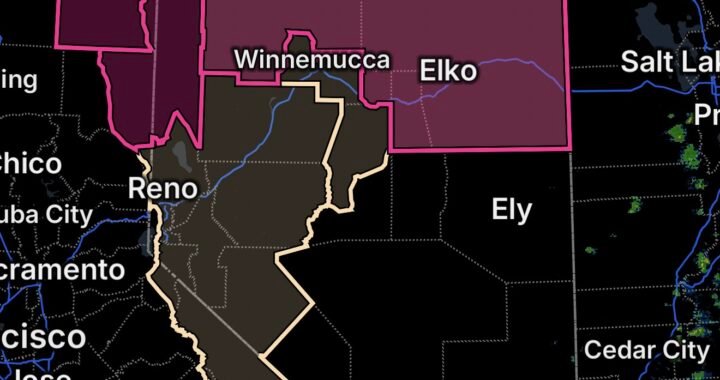
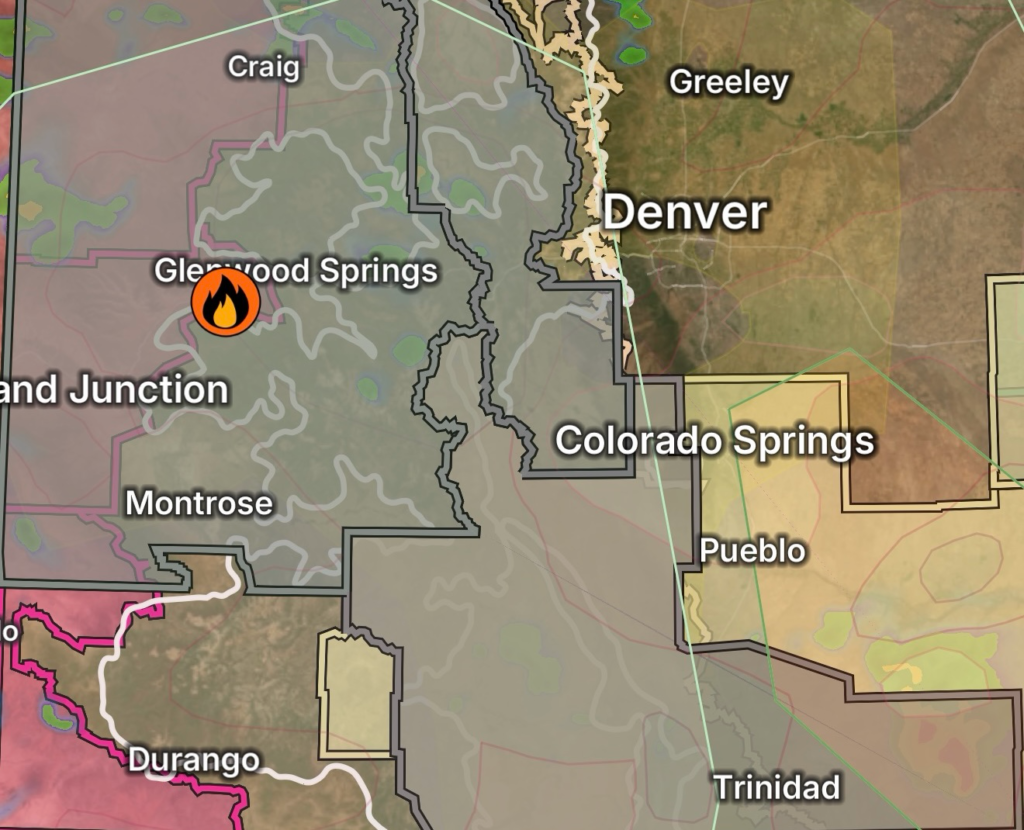
Critical fire weather conditions remain a major concern across Colorado. The National Weather Service has issued Fire Weather Watches for portions of the mountains and high valleys, where strong southwest winds, extremely low humidity levels, and dry fuels could support rapid wildfire growth. Forecast wind gusts of 40 to 50 mph combined with relative humidity values as low as 11 to 15 percent are expected to create dangerous fire behavior conditions. (National Weather Service)
Red Flag Warnings have also been issued across large sections of western Colorado. These warnings indicate that weather conditions are favorable for fires to ignite easily and spread rapidly. Officials urge residents to avoid outdoor burning, use caution with equipment that can create sparks, and properly dispose of cigarettes. (https://www.kjct8.com)
Wildfire Risk Elevated Across the State
Colorado’s wildfire danger remains elevated due to ongoing drought concerns, dry vegetation, and persistent heat. Fire officials are closely monitoring conditions as several active fires continue burning throughout the western United States. Smoke from large fires in neighboring states has also contributed to air quality concerns across Colorado. (The Guardian)
Meteorologists warn that wildfire potential could increase further heading into the weekend as stronger winds develop and humidity levels drop. Fire Weather Watches may be upgraded to Red Flag Warnings if conditions worsen. (https://www.kkco11news.com)
Thunderstorm Activity Offers Limited Relief
Scattered afternoon and evening thunderstorms are expected across portions of Colorado, particularly in higher elevations and mountainous regions. While these storms may provide localized rainfall and temporary cooling, many areas will receive little precipitation. Some thunderstorms could produce gusty outflow winds and dry lightning, creating additional wildfire ignition concerns. (https://www.kjct8.com)
Forecasters note that rainfall coverage will remain uneven, meaning many fire-prone areas may not receive meaningful moisture. Lightning strikes outside of rain cores could spark new fires in already dry landscapes. (https://www.kjct8.com)
Safety Tips for Colorado Residents
- Stay informed of local Red Flag Warnings and Fire Weather Watches.
- Avoid outdoor burning and activities that create sparks.
- Monitor local air quality conditions before outdoor activities.
- Keep emergency evacuation plans ready if living near wildfire-prone areas.
- Secure loose outdoor items ahead of thunderstorm wind gusts.
- Seek shelter immediately when thunder is heard.
Outlook
Colorado’s weather pattern will continue to feature a challenging combination of wildfire danger and isolated thunderstorms through the coming days. While scattered rain may provide limited relief in some locations, dry fuels, gusty winds, and low humidity will keep fire weather concerns elevated. Residents should remain alert for rapidly changing weather conditions, wildfire developments, and updated warnings from local authorities and the National Weather Service.