Fire Danger Escalates Across Arizona, Nevada, and Utah as Red Flag Warnings and Wildfires Intensify
The wildfire threat is rapidly increasing across Arizona, Nevada, and Utah as dangerous fire weather conditions continue to impact the Southwest. Meteorologists and fire officials are closely monitoring a combination of strong winds, extremely low humidity, dry fuels, and above-normal temperatures that are creating ideal conditions for fast-moving wildfire growth.
Extreme Fire Weather Conditions Developing
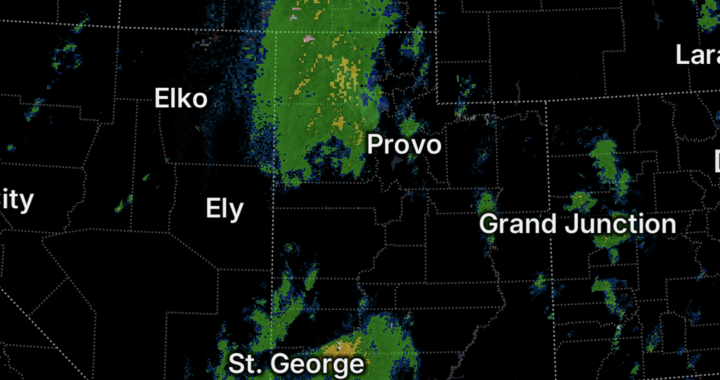
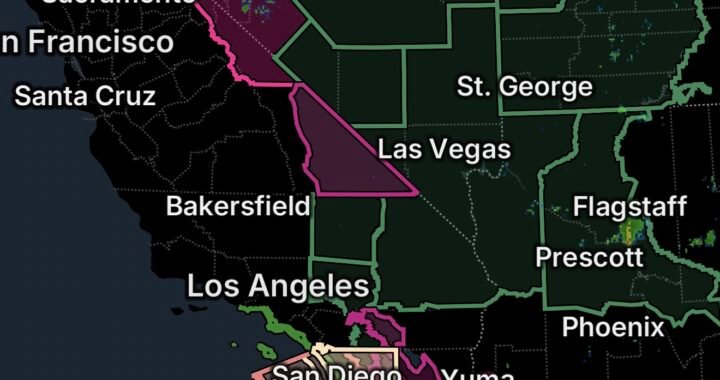
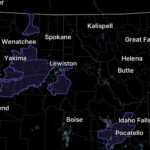
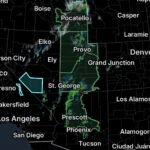
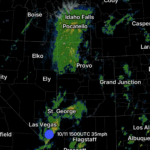
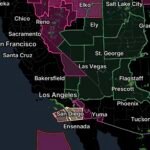
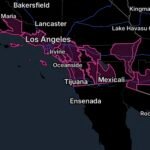
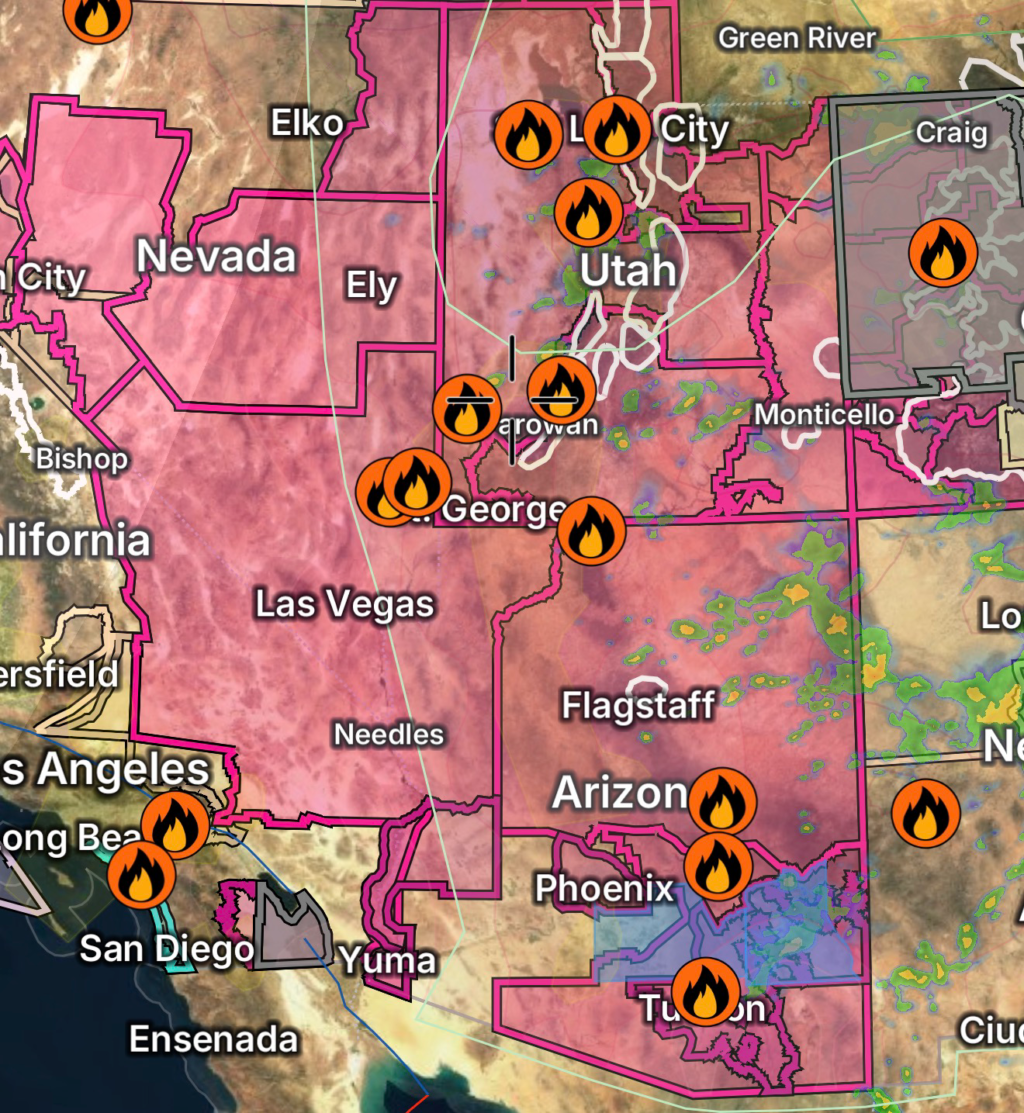
The Storm Prediction Center has identified portions of Utah, northern Arizona, and southeastern Nevada as being under critical to extremely critical fire weather conditions. Forecasts indicate sustained winds of 25 to 35 mph with gusts exceeding 45 mph in some locations while relative humidity levels fall into the single digits. These conditions significantly increase the risk of new fire starts and rapid fire spread. (The Watchers)
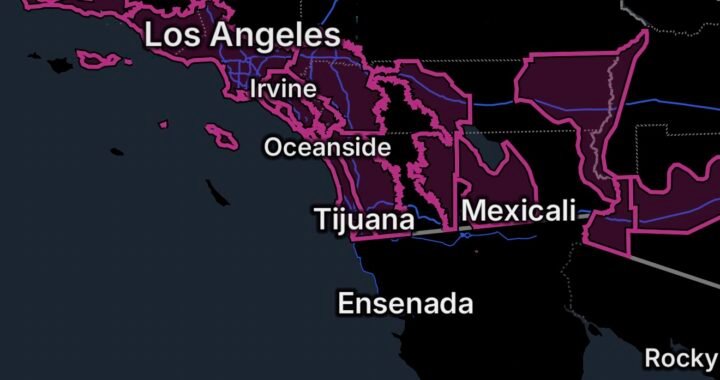
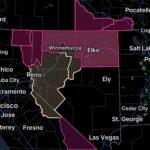
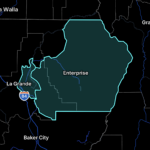
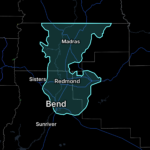
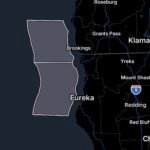
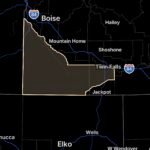
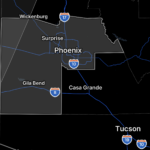
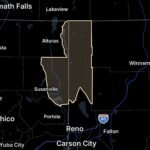
Fire Weather Watches and Red Flag Warnings have been issued across multiple counties and fire weather zones throughout the region. A Red Flag Warning means weather conditions are favorable for wildfire ignition and rapid growth, while a Fire Weather Watch signals the potential for those conditions to develop within the next 12 to 72 hours. (Wikipedia)
Utah Wildfires Continue to Expand
Utah remains one of the most active wildfire areas in the West. Several large fires are burning across the state, including the Iron Fire and other ongoing incidents that have prompted evacuations and road closures. One rapidly growing wildfire in west-central Utah expanded to nearly 60,000 acres after strong winds pushed flames across dry vegetation. Emergency officials have ordered evacuations in affected communities while firefighters continue containment efforts. (Good Morning America)
Fire officials warn that additional wind-driven fire growth remains possible through the coming days as critical fire weather conditions persist. (The Watchers)
Arizona Faces Growing Fire Threat
Arizona continues to battle multiple wildfire incidents as dry conditions and gusty winds challenge firefighting operations. Several fires have burned thousands of acres across the state, while uncontained fires remain a concern in central and eastern Arizona. Areas near Globe, Sedona, and portions of northern Arizona have experienced heightened fire activity during recent weeks. (AOL)
In addition to wildfire concerns, excessive heat is contributing to dry fuel conditions. Temperatures exceeding 100°F in lower elevations are accelerating vegetation drying and increasing fire danger across much of the state. (The Guardian)
Nevada Under Critical Fire Weather Alerts
Nevada remains under heightened wildfire concern as strong southwest winds combine with critically low humidity levels. Fire Weather Watches and Red Flag Warnings have been issued across portions of the state, particularly in central and southern Nevada where dry fuels are highly receptive to ignition. Fire officials are warning that any new fire starts could spread rapidly under current weather conditions. (The Watchers)
Dry thunderstorms are also becoming a concern across parts of the Great Basin, creating the potential for lightning-caused wildfires with little accompanying rainfall. (The Watchers)
What Is Driving the Elevated Fire Risk?
Several factors are combining to create this dangerous wildfire environment:
- Strong, gusty winds capable of rapidly spreading flames
- Relative humidity values between 5% and 15%
- Ongoing drought conditions in many areas
- Dry vegetation and cured grasses
- Isolated dry thunderstorms capable of producing lightning ignitions
- Above-average temperatures across the Southwest
Meteorologists indicate that these factors may continue to support elevated fire weather concerns through the remainder of the week. (The Watchers)
Safety Recommendations
Residents and visitors across Arizona, Nevada, and Utah should take extra precautions:
- Avoid outdoor burning and campfires.
- Never park vehicles on dry grass.
- Properly dispose of cigarettes and smoking materials.
- Follow all local fire restrictions.
- Stay informed about evacuation notices and wildfire updates.
- Report smoke or fire activity immediately to local authorities.
Outlook
The National Weather Service and fire agencies continue to monitor conditions closely as the Southwest enters a period of elevated wildfire potential. Additional Red Flag Warnings and Fire Weather Watches may be issued as weather patterns evolve. With wildfire activity already increasing across the region, residents should remain prepared for rapidly changing conditions and monitor local forecasts throughout the week. (National Weather Service)
Radar Watch HQ will continue providing updates on wildfire activity, fire weather alerts, and emergency information across the Western United States.