















Japan Earthquake Update: Strong Seismic Activity Highlights Ongoing Earthquake Risk
Japan experienced another round of earthquake activity, reminding residents and visitors that the country remains one of the most seismically active regions in the world. While many earthquakes are minor and cause little to no damage, stronger events can trigger widespread shaking, transportation disruptions, and, in some cases, tsunami advisories.
Latest Earthquake Activity
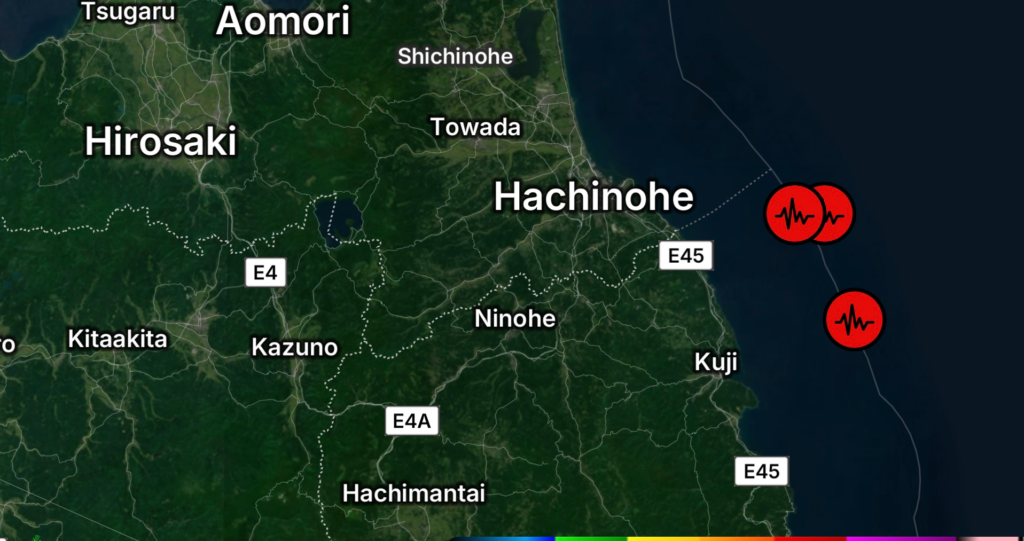
A recent earthquake was recorded in Japan, with authorities quickly monitoring the situation for potential damage, injuries, and aftershocks. Emergency management officials continue to assess affected areas while transportation agencies inspect railways, highways, bridges, and other critical infrastructure for safety.
At this time, residents are encouraged to follow updates from local authorities as aftershocks remain possible following any significant seismic event.
Why Japan Experiences So Many Earthquakes
Japan sits along the Pacific Ring of Fire, where several major tectonic plates—including the Pacific, Philippine Sea, Eurasian, and North American plates—interact. This unique geological setting makes the country one of the most earthquake-prone nations on Earth.
Thousands of earthquakes are detected across Japan each year, although most are too small to be felt. The nation’s advanced earthquake monitoring system allows officials to issue Earthquake Early Warnings within seconds of detecting significant seismic activity.
Potential Impacts
Depending on the earthquake’s strength and location, impacts may include:
- Strong ground shaking
- Falling objects and structural damage
- Temporary power outages
- Transportation delays
- Landslides in mountainous terrain
- Tsunami advisories for coastal communities if offshore earthquakes are large enough
Emergency responders remain prepared to respond quickly if conditions worsen.
Preparedness Tips
Anyone in earthquake-prone areas should:
- Drop, Cover, and Hold On during shaking.
- Stay away from windows and unsecured objects.
- Avoid elevators until the shaking has stopped.
- Have an emergency kit with food, water, flashlights, medications, and batteries.
- Monitor official government alerts for evacuation instructions or tsunami information if necessary.
Looking Ahead
Seismologists note that aftershocks can continue for hours, days, or even weeks after a significant earthquake. Residents should remain prepared for additional shaking and continue monitoring official updates from Japan’s Meteorological Agency and local emergency officials.
Although Japan’s strict building codes and advanced warning systems help reduce the impacts of earthquakes, preparedness remains essential whenever seismic activity occurs.