


Special Weather Statement Issued as Eruption Expected Within Kīlauea Summit Caldera
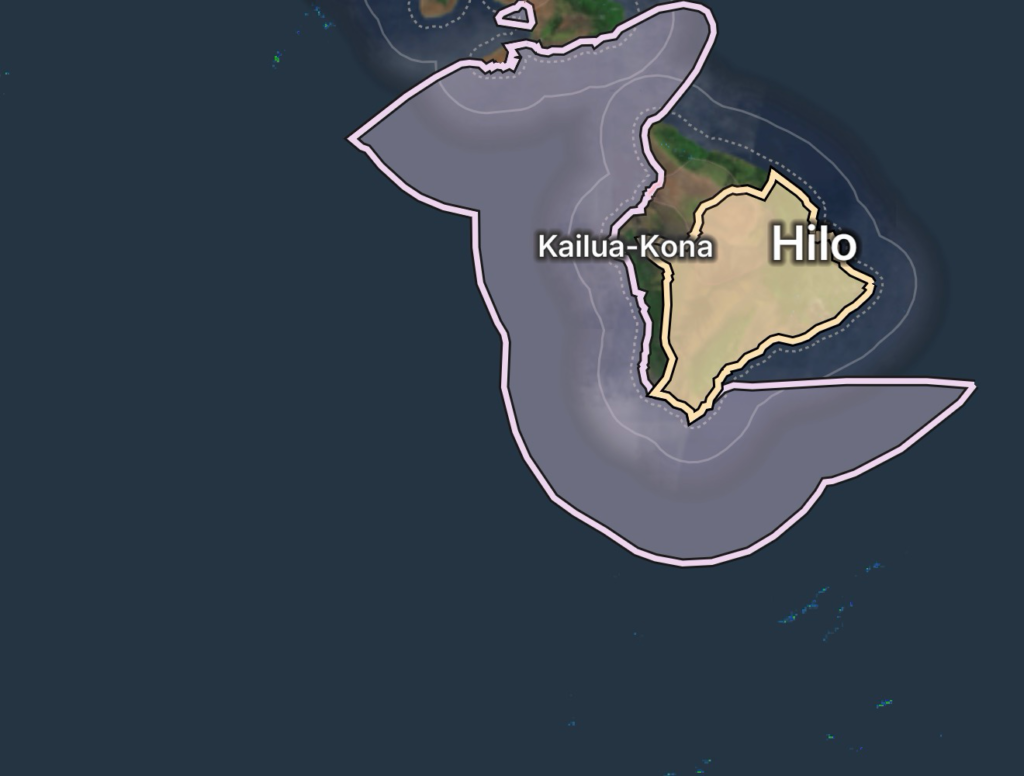
Residents and visitors on Hawaiʻi Island are being urged to remain alert after a Special Weather Statement was issued in anticipation of another eruptive episode within the Kīlauea summit caldera. Scientists with the Hawaiian Volcano Observatory indicate that conditions beneath the volcano continue to point toward another episode of lava fountaining, with volcanic hazards possible during the event.
Eruption Expected at the Summit
The anticipated activity is expected to remain confined to Halemaʻumaʻu Crater, located within Kīlauea’s summit caldera inside Hawaiʻi Volcanoes National Park. While these episodic eruptions often last less than 12 hours, they can produce spectacular lava fountains, volcanic gas emissions, ashfall, and wind-driven volcanic debris depending on weather conditions.
Officials emphasize that eruption timing can change rapidly, and volcanic activity may begin with little warning.
Potential Hazards
People near the summit should prepare for changing conditions that may include:
- Volcanic ash carried downwind
- Reduced visibility on roadways
- Poor air quality from sulfur dioxide (SO₂) emissions
- Pele’s Hair (fine strands of volcanic glass) falling in affected areas
- Small volcanic rock fragments (tephra) near the eruption site
- Temporary closures of park facilities and overlooks
If winds shift, communities downwind of the summit could experience light ashfall and degraded air quality.
Travel Impacts Possible
Airlines and transportation officials continue to monitor volcanic conditions closely. Previous eruptive episodes have resulted in ash advisories, flight disruptions, and temporary road closures near Hawaiʻi Volcanoes National Park. Travelers should check with airlines and park officials before visiting the area if volcanic activity begins.
Safety Tips
Residents and visitors should:
- Monitor updates from the Hawaiian Volcano Observatory and the National Weather Service.
- Avoid entering closed areas around the summit.
- Stay indoors if ashfall becomes heavy.
- Wear an N95 or similar mask if ash is present outdoors.
- Protect your eyes from volcanic ash and glass fibers.
- Drive cautiously, as ash can reduce visibility and create slippery road conditions.
- Individuals with respiratory conditions should minimize outdoor exposure during periods of elevated volcanic gas concentrations.
Ongoing Monitoring
Kīlauea remains one of the world’s most closely monitored volcanoes. Scientists continuously track ground deformation, earthquake activity, volcanic gas emissions, and magma movement to provide early warning of eruptive episodes. Although current forecasts indicate activity is expected within the summit caldera, volcanic behavior can change rapidly, making continuous monitoring essential.
Residents and visitors are encouraged to stay informed and follow all official guidance as Hawaiʻi continues to experience one of Kīlauea’s ongoing episodic eruptions.