






Earthquake Shakes El Salvador: Residents Feel Tremors Across Coastal Regions
A recent earthquake near El Salvador has once again highlighted the country’s vulnerability to seismic activity. Located along the Pacific Ring of Fire, El Salvador experiences frequent earthquakes due to the interaction of several tectonic plates beneath Central America.
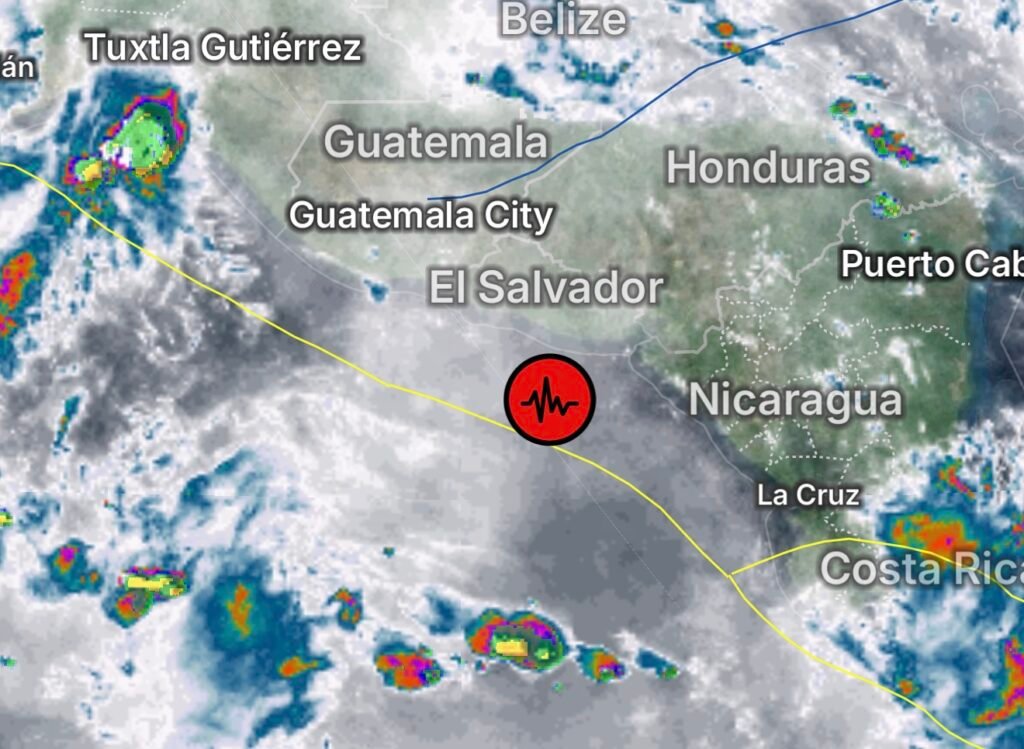
According to recent earthquake monitoring reports, a moderate earthquake occurred offshore near the coast of El Salvador. The tremor was felt in several coastal communities and nearby population centers. Initial assessments indicated the earthquake occurred beneath the Pacific Ocean at a moderate depth, helping to limit widespread damage. Authorities reported no immediate tsunami threat following the event. (earthquaketrack.com)
Why Earthquakes Are Common in El Salvador
El Salvador sits in one of the most seismically active regions of the world. The country is affected by the subduction of the Cocos Plate beneath the Caribbean Plate, a process that regularly generates earthquakes throughout Central America. This geological setting results in both offshore and inland seismic events.
The nation has a long history of destructive earthquakes, including major events in 2001 and 1986 that caused significant loss of life and widespread structural damage. (Wikipedia)
Recent Seismic Activity
Several earthquakes have been recorded near El Salvador during June 2026, ranging from minor tremors to moderate offshore events. Recent reports include earthquakes near Acajutla and offshore Pacific waters, demonstrating the region’s continued seismic activity. (earthquaketrack.com)
While most earthquakes in the region are too small to cause major damage, residents are encouraged to remain prepared for stronger events that can occur with little warning.
Earthquake Safety Tips
If an earthquake strikes:
- Drop, Cover, and Hold On.
- Stay away from windows and heavy furniture.
- If outdoors, move to an open area away from buildings and power lines.
- Keep an emergency kit stocked with water, food, flashlights, and first-aid supplies.
- Follow guidance from local emergency management officials.
Looking Ahead
Seismologists continue to monitor activity throughout Central America. While earthquakes cannot be predicted, advances in monitoring technology help officials quickly assess impacts and provide timely information to the public.
Residents of El Salvador and neighboring countries should remain aware of earthquake risks and review emergency preparedness plans regularly. As seismic activity continues across the region, preparedness remains the best defense against future earthquakes.