




Eastern Pacific Disturbance #1: Tropical Development Being Monitored Across the Eastern Pacific
Published: June 25, 2026
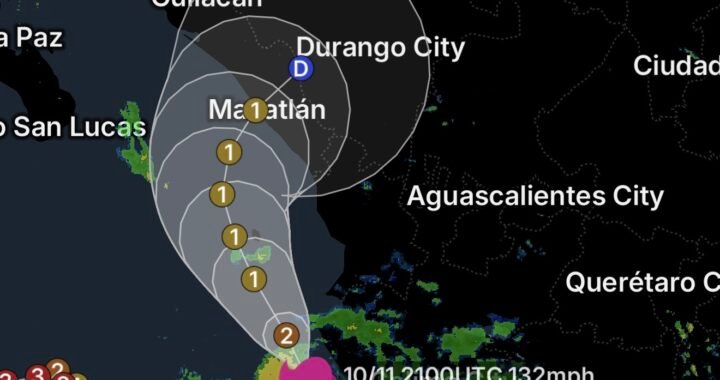
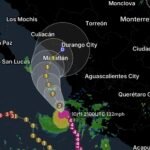
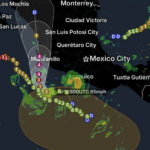
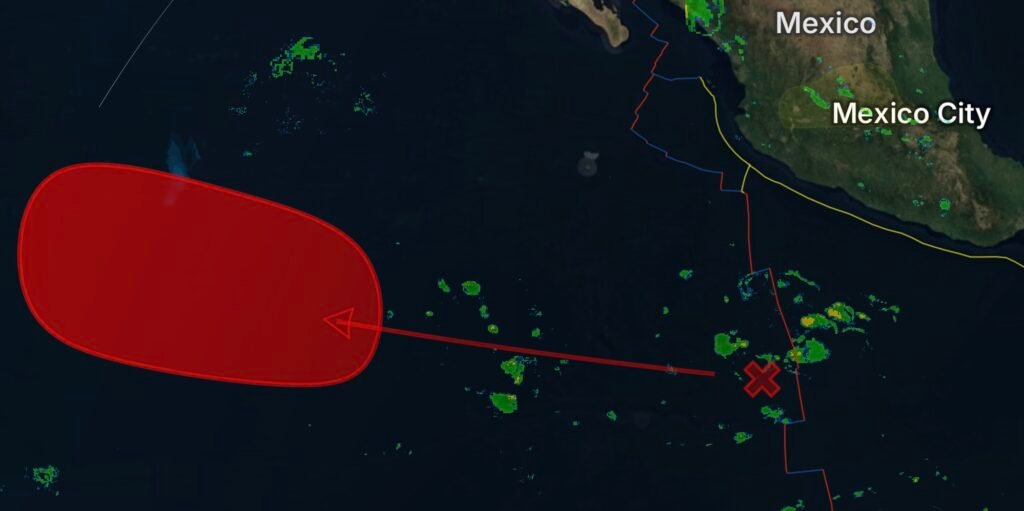
The National Hurricane Center (NHC) is monitoring Eastern Pacific Disturbance #1, a tropical weather system located over the eastern Pacific Ocean. While the system is currently in its early stages of development, forecasters continue to analyze environmental conditions that could support additional organization over the coming days.
The Eastern Pacific hurricane season officially began on May 15, and climatologically, tropical development becomes increasingly common through late June and into the peak months of July, August, and September. Forecasts indicate the 2026 season is expected to be more active than average, largely due to strengthening El Niño conditions and warmer-than-normal sea surface temperatures.
Current Situation
Meteorologists are closely tracking an area of disturbed weather over the Eastern Pacific where showers and thunderstorms have become more organized. If environmental conditions remain favorable, the disturbance could gradually develop into a tropical depression before potentially becoming the next named storm of the 2026 Eastern Pacific hurricane season.
At this time:
- Development remains possible over the coming days.
- Warm ocean waters continue to provide fuel for strengthening.
- Forecast confidence will improve as the system becomes better organized.
- Residents along portions of Mexico’s Pacific coastline should continue monitoring official forecasts for any changes.
Why the Eastern Pacific Matters
Even tropical systems that remain offshore can produce significant impacts, including:
- Dangerous surf and rip currents
- Heavy rainfall along coastal regions
- Localized flooding
- Gusty winds near the coast
- Hazardous marine conditions for boaters
Many Eastern Pacific storms eventually curve away from land, but every developing system deserves close monitoring throughout hurricane season.
Active 2026 Hurricane Season Expected
NOAA’s seasonal outlook calls for an above-normal Eastern Pacific hurricane season, forecasting:
- 15–22 Named Storms
- 9–14 Hurricanes
- 5–9 Major Hurricanes (Category 3 or higher)
Forecasters attribute the increased activity to strengthening El Niño conditions, which typically create an environment favorable for tropical cyclone development across the Eastern Pacific basin.
Safety Tips
If you live along the Pacific coast:
- Stay updated with official National Hurricane Center forecasts.
- Review your hurricane preparedness plan.
- Prepare emergency supplies before watches or warnings are issued.
- Never drive through flooded roadways.
- Mariners should monitor marine forecasts before heading onto the water.
Looking Ahead
Forecasters will continue monitoring Eastern Pacific Disturbance #1 for signs of additional organization. While there is still uncertainty regarding its future strength and track, conditions remain favorable enough to warrant close observation over the next several days.
Radar Watch HQ will continue providing updates as new advisories become available throughout the 2026 Eastern Pacific hurricane season.