
Rip Current Statement Issued for Gulf-Facing Beaches Along the Galveston Coast
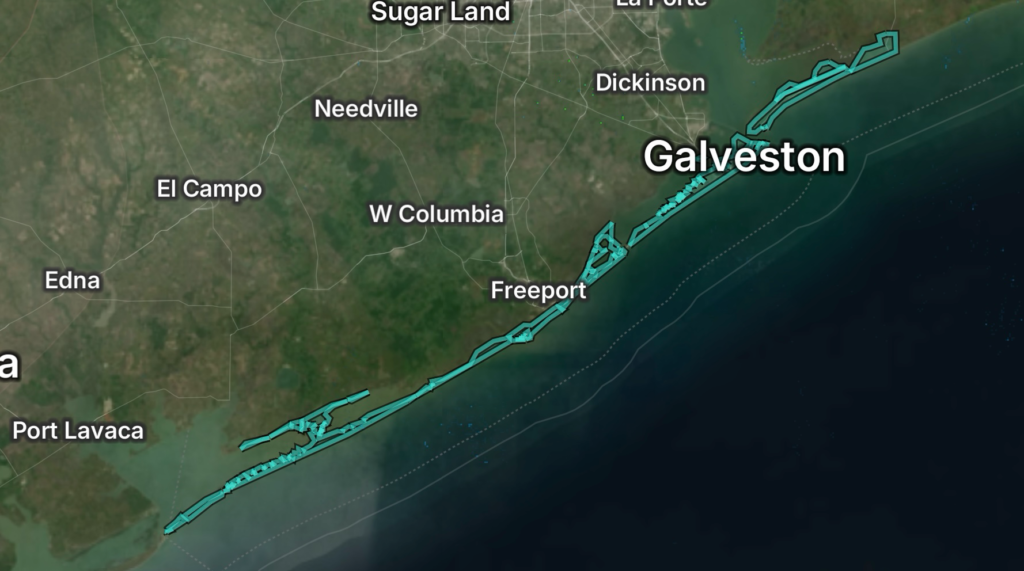
Beachgoers planning to visit the Texas Gulf Coast should exercise extreme caution as a Rip Current Statement remains in effect for Gulf-facing beaches along the Galveston Coast. Dangerous surf conditions and powerful rip currents can quickly turn a day at the beach into a life-threatening situation.
Dangerous Swimming Conditions
Persistent onshore winds, wave action, and changing surf conditions are creating an elevated risk of rip currents along beaches from the Galveston area and nearby Gulf-facing shorelines. Even experienced swimmers can be caught off guard by these fast-moving channels of water.
Rip currents are narrow, powerful currents that flow away from shore, capable of pulling swimmers hundreds of feet offshore within seconds.
What to Expect
Visitors to Gulf-facing beaches may encounter:
- Strong and dangerous rip currents
- Rough surf and breaking waves
- Powerful longshore currents
- Changing beach conditions throughout the day
Conditions can vary significantly from one beach to another, making it important to remain alert and observe local warning flags before entering the water.
Beach Safety Tips
If you plan on visiting the Galveston Coast:
- Swim only at beaches staffed with lifeguards.
- Never swim alone.
- Stay close to shore and supervise children at all times.
- Pay close attention to posted warning flags and local beach advisories.
- Avoid entering the Gulf if red flags are flying or if conditions appear hazardous.
If You’re Caught in a Rip Current
Knowing how to respond can save your life.
- Stay calm and avoid exhausting yourself.
- Do not try to swim directly back toward shore against the current.
- Swim parallel to the shoreline until you escape the current.
- Once free, angle back toward shore.
- If you cannot escape, float or tread water and wave for assistance.
Stay Weather Aware
Rip current risks can develop quickly, even when skies are sunny. Before heading to the beach, check the latest weather forecasts, surf conditions, and local beach warnings.
Radar Watch HQ will continue monitoring marine hazards, coastal weather conditions, and National Weather Service alerts affecting the Texas Gulf Coast.