




Gulf of Mexico Conditions Remain a Key Hurricane Season Focus
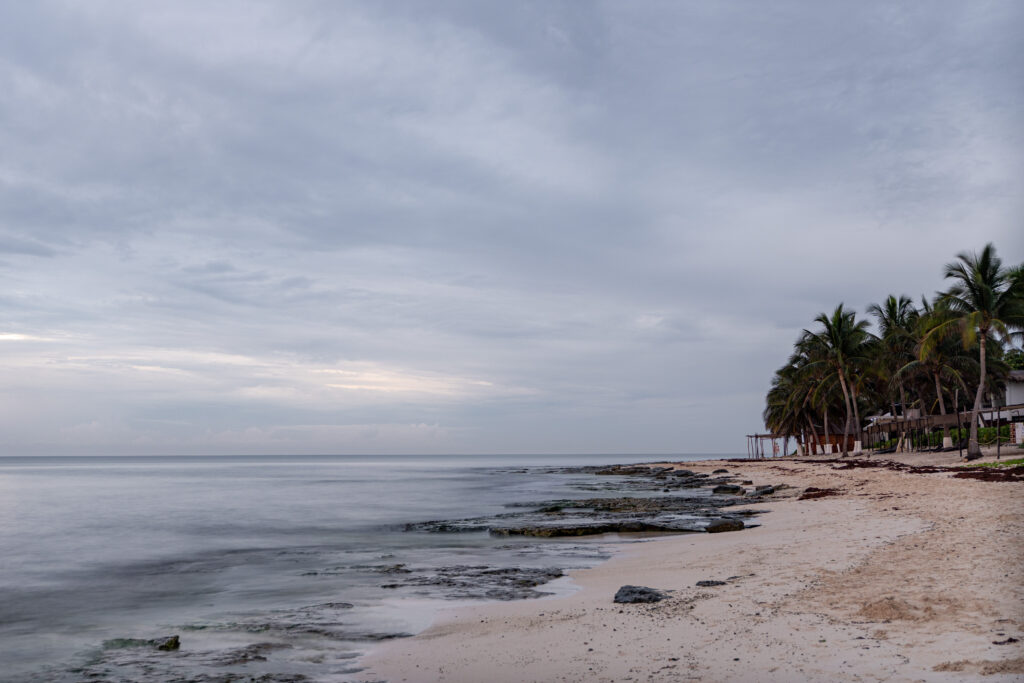
The Gulf of Mexico is one of the most closely monitored regions during hurricane season due to its warm waters and ability to rapidly fuel tropical systems. As we move deeper into June, forecasters continue to monitor the basin for any signs of tropical development.
While no major tropical cyclone is currently dominating the Gulf, sea surface temperatures are running warm enough to support tropical development should atmospheric conditions become favorable.
Why the Gulf Matters
The Gulf of Mexico can act as a “fuel tank” for tropical systems because:
- Water temperatures often exceed 80°F (27°C)
- Warm ocean waters extend to significant depths
- Moist tropical air is abundant
- Storms can intensify quickly before landfall
Some of the most destructive hurricanes in U.S. history have strengthened over Gulf waters before striking the coast.
Areas Most Vulnerable
Texas Coast
- Houston
- Galveston
- Corpus Christi
Louisiana Coast
- New Orleans
- Lake Charles
Mississippi and Alabama
- Biloxi
- Mobile
Florida Gulf Coast
- Tampa
- Fort Myers
- Panama City
Residents along the Gulf Coast are encouraged to review hurricane preparedness plans before peak season arrives.
Current Weather Pattern
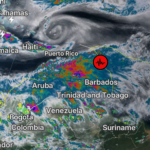
At this time, the Gulf is experiencing a mix of scattered thunderstorms, tropical moisture, and summertime heat. While these conditions are common during June, meteorologists routinely monitor tropical waves moving westward from the Atlantic and Caribbean that could eventually enter the Gulf basin.
What to Watch During the Next Several Weeks
🌴 Tropical disturbances moving off Africa
🌊 Sea surface temperature trends
💨 Wind shear patterns
☁️ Tropical waves crossing the Caribbean
📡 National Hurricane Center outlooks
These ingredients often determine whether tropical systems remain weak or develop into named storms.
Hurricane Season Outlook
Most seasonal outlooks continue to indicate an active Atlantic hurricane season, meaning Gulf Coast residents should remain prepared for potential tropical threats through November. The climatological peak of hurricane season occurs in September, but significant storms can develop at any point during the season.
Weather Intelligence Center Analysis
The Gulf of Mexico remains one of the most important weather regions in the Western Hemisphere. Even when no active storms are present, warm waters and favorable atmospheric conditions can quickly change. Continuous monitoring of tropical disturbances, marine conditions, and forecast guidance will be essential throughout the 2026 hurricane season.