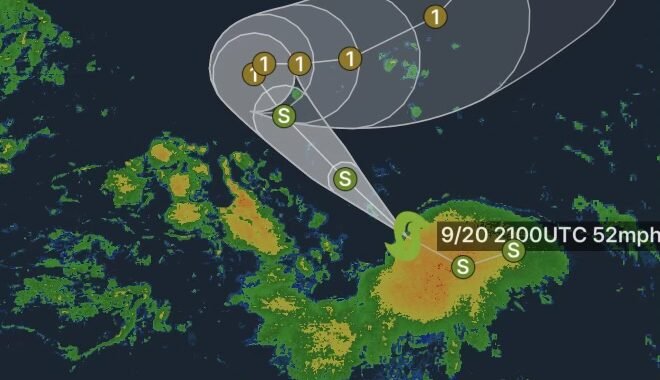
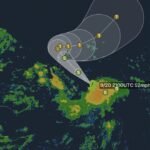
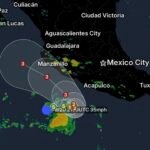




Tropical Storm Amanda was the first named storm of the 2026 Eastern Pacific hurricane season, forming on June 3 over the open waters of the Eastern Pacific Ocean. Amanda developed far from land and posed no direct threat to coastal communities during its lifetime.
At formation, Amanda had:
- Maximum sustained winds of 40 mph
- A location roughly 1,500 miles southwest of Baja California
- A forecast track remaining over open ocean with no land impacts expected.
Storm Track and Forecast
Amanda moved generally west-northwestward across the Eastern Pacific while strengthening modestly over warm waters. Forecasters expected the storm to encounter cooler waters and increasing wind shear, causing gradual weakening and eventual dissipation.
Unlike later storms Boris and Cristina, Amanda remained far from populated areas throughout its existence.
Why Amanda Was Important
Although Amanda was not a significant impact storm, its formation marked the official start of tropical activity in the Eastern Pacific basin for 2026. Meteorologists noted that Amanda formed near the historical average date for the first named storm of the season.
Amanda also formed during a period of:
- Above-average Eastern Pacific sea-surface temperatures
- Increasing signs of developing El Niño conditions
- Forecasts calling for an active Eastern Pacific hurricane season.
Connection to Boris and Cristina
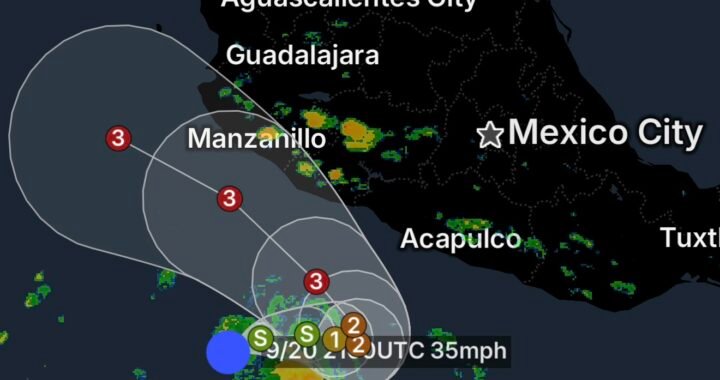
Amanda was followed by Tropical Storm Boris and Tropical Storm Cristina, both of which developed closer to Mexico and Central America and produced significant flooding concerns. Amanda itself caused no major impacts but served as the first indication that the Eastern Pacific hurricane season was becoming active.
Weather Intelligence Center Analysis
Amanda was a classic early-season Eastern Pacific tropical storm: a system that formed over open waters, briefly strengthened, and dissipated without threatening land. While Amanda itself was relatively harmless, it signaled the beginning of a busy stretch of tropical activity that soon led to Boris and Cristina bringing flooding rains to Mexico and Central America.