


Published June 10, 2026
Nebraska is one of the most weather-intense regions in the United States, sitting in the heart of the Great Plains where Arctic air, Gulf moisture, and Rocky Mountain influences constantly collide. This geographic “crossroads” creates some of the most dramatic and fast-changing weather conditions in the country.
From violent tornadoes to subzero blizzards and scorching summer heat waves, Nebraska’s weather is defined by extremes that can change in a matter of hours.
🌪️ Tornado Alley Powerhouse
Nebraska is a core part of Tornado Alley, averaging 40 to 60 tornadoes per year, with peak activity between May and July.
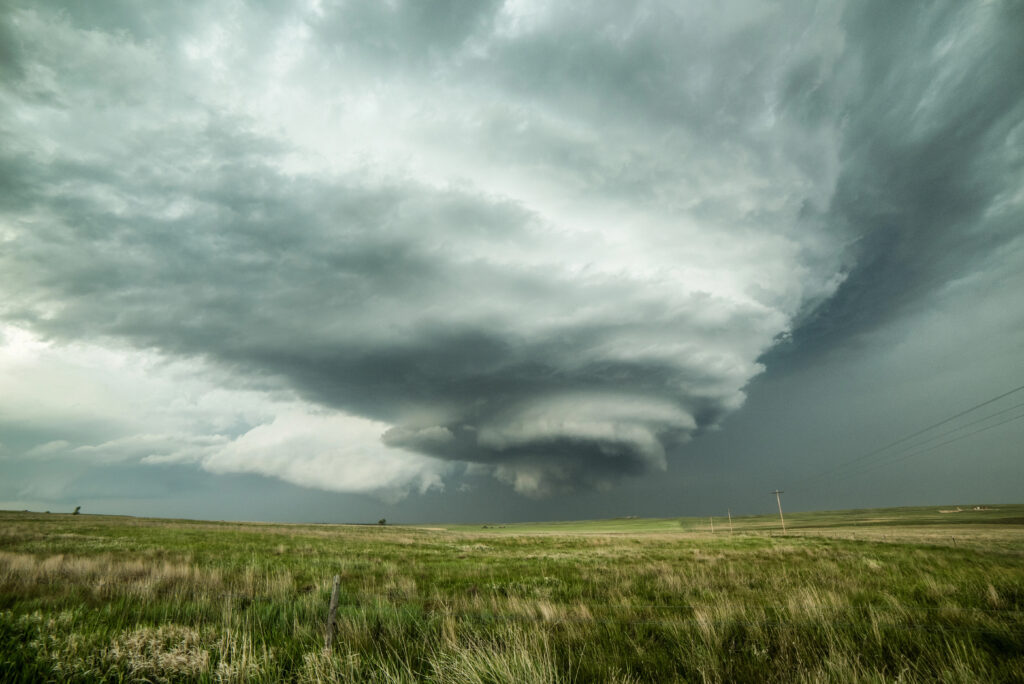
Severe thunderstorms often form supercells—rotating storm systems capable of producing long-track tornadoes, large hail, and destructive winds.
What makes Nebraska especially vulnerable:
- Flat, open terrain allows storms to strengthen without disruption
- Warm, moist air from the Gulf of Mexico collides with dry air from the west
- Strong spring jet stream winds enhance rotation
Tornadoes can develop rapidly, sometimes with very little warning, making preparedness essential across rural and urban communities alike.
⛈️ Severe Thunderstorms and Massive Hail
Thunderstorms in Nebraska are often intense and highly organized. These storms frequently produce:
- Baseball-sized hail or larger in extreme events
- Frequent lightning strikes across open farmland
- Damaging straight-line winds exceeding 70–100 mph
- Rapidly developing storm systems in the spring and summer
For farmers, hail is one of the most costly hazards, especially during the growing season when corn and soybean crops are most vulnerable.
🌡️ Extreme Temperature Swings
One of Nebraska’s defining characteristics is its rapid temperature variability.
It is not unusual for temperatures to swing 30–50°F in a single day, especially during seasonal transitions.
Typical extremes include:
- Summer highs above 100°F
- Winter lows below -20°F
- Sudden spring freezes following warm afternoons
These shifts are driven by fast-moving air masses that sweep across the plains with little geographic resistance.
❄️ Blizzards and Dangerous Winter Storms
Winter in Nebraska can be just as severe as summer storms.
Blizzard conditions often include:
- Heavy snowfall combined with strong winds
- Whiteout visibility conditions
- Dangerous wind chills below -30°F
- Interstate and highway closures
Even moderate snow can become hazardous when paired with intense wind speeds across open terrain.
🌬️ Straight-Line Winds and Derechos
Not all destructive storms in Nebraska spin.
Many of the most damaging weather events are straight-line wind storms, including derechos—long-lived windstorms that can stretch across multiple states.
Impacts include:
- Widespread crop destruction
- Roof and structural damage
- Power outages across rural communities
- Wind gusts exceeding 100 mph in severe cases
In some years, wind damage can rival or exceed tornado damage in total impact.
☀️ Droughts, Heat Waves, and Fire Risk
Nebraska also experiences cycles of drought and extreme heat.
During dry periods:
- Soil moisture drops rapidly
- Grasslands become more fire-prone
- Water levels in rivers and reservoirs decline
- Heat waves increase stress on agriculture and livestock
These conditions can shift quickly depending on seasonal rainfall patterns.
⚡ Why Nebraska Weather Is So Extreme
Nebraska’s weather volatility comes down to geography and atmospheric positioning:
- Located where cold Arctic air meets warm Gulf moisture
- Open plains allow storm systems to build and travel long distances
- Strong jet stream influence drives rapid weather changes
- No major mountain ranges to block incoming air masses
This combination creates one of the most dynamic weather environments in North America.
📌 Final Outlook
Nebraska’s weather is a constant reminder of nature’s intensity and unpredictability. From violent tornadoes to extreme winter storms and rapid temperature swings, the state remains a hotspot for meteorological extremes year-round.
For residents, awareness and preparedness are essential—not just during peak storm season, but throughout the entire year.