


















Massive Waves Slam Southern California: Why the Surf Is So Extreme
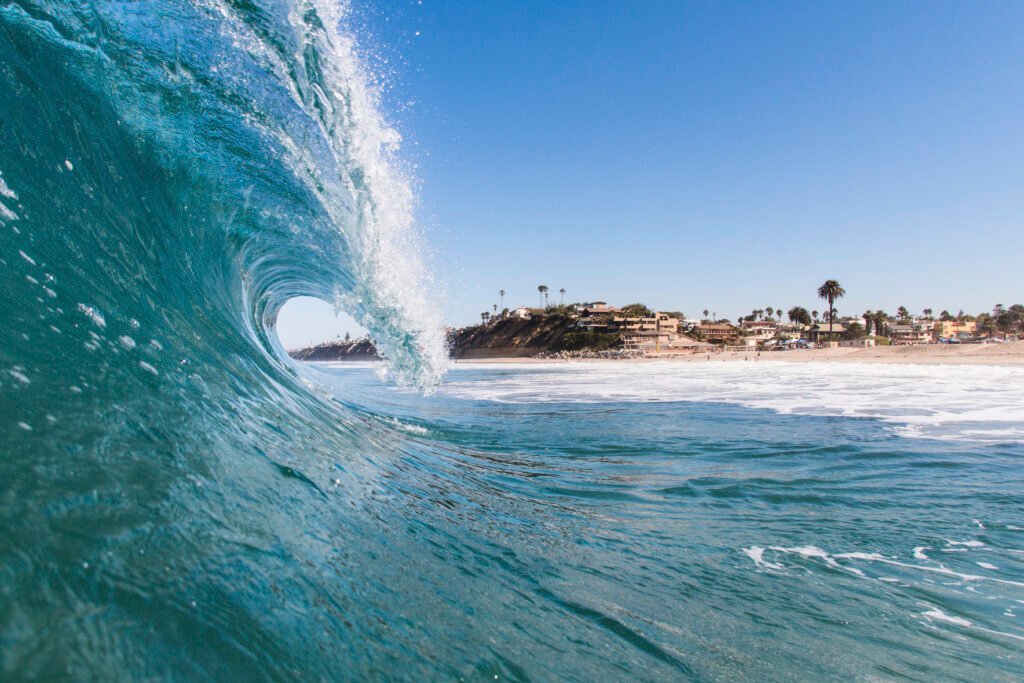
Southern California’s coastline has been experiencing some of the largest waves seen in years, with towering surf reaching heights of 15 to 20 feet in some locations. Beaches from Los Angeles County to San Diego have seen dangerous ocean conditions, prompting beach hazard statements, high surf advisories, and warnings from lifeguards as powerful waves continue to pound the coast. (Los Angeles Times)
The most dramatic surf has been observed at famous breaks such as The Wedge, where wave heights have exceeded 20 feet during peak swell events. Forecasters describe this as one of the strongest south swells to impact Southern California in several years. (ABC7 Los Angeles)
What’s Causing These Massive Waves?
The primary driver behind the enormous surf is a powerful long-period south swell generated by intense storms thousands of miles away in the South Pacific Ocean. These storms produced extremely strong winds over vast stretches of open water, creating large ocean swells that traveled across the Pacific before reaching California’s coastline. (CBS News)
When strong winds blow across the ocean for long periods, they transfer energy into the water. That energy organizes into swells that can travel for days or even weeks. As these swells reach shallower coastal waters, the waves slow down, grow taller, and eventually break near shore. (oclg.org)
Meteorologists report that recent South Pacific storm systems generated exceptionally large, long-period swells, meaning more energy is packed into each wave. This allows waves to maintain their strength over long distances and produce unusually large surf when they arrive along Southern California’s beaches. (LAmag)
Why Some Beaches Are Seeing Even Bigger Waves
Not every beach experiences the same wave heights. South-facing beaches receive the full force of these incoming swells, making areas in Orange County and San Diego particularly vulnerable to larger surf. (CBS 8)
At The Wedge in Newport Beach, unique coastal geography amplifies incoming waves. Swells bounce off the harbor jetty and combine with incoming wave energy, creating massive, steep waves through a process known as constructive interference. This phenomenon can transform already large surf into towering walls of water. (FOX 11 Los Angeles)
Weather and Climate Influences
While this event is primarily tied to South Pacific storm activity, broader climate patterns can influence wave behavior along the West Coast. Warmer ocean temperatures, rising sea levels, and large-scale climate oscillations such as El Niño can contribute to increased coastal impacts when strong swells arrive. (San Francisco Chronicle)
In addition, king tides have recently coincided with the large surf event, creating higher-than-normal water levels and increasing the risk of minor coastal flooding in vulnerable areas. (The Guardian)
Impacts Across Southern California
The massive surf has created numerous hazards along the coastline:
- Dangerous rip currents capable of pulling swimmers away from shore.
- Powerful shore break waves that can cause serious injuries.
- Coastal flooding in low-lying beachfront communities.
- Beach erosion due to repeated wave impacts.
- Dangerous conditions for small boats and watercraft.
- Increased rescue operations by lifeguards. (The Guardian)
Authorities reported hundreds of rescues during the recent swell event as beachgoers underestimated the strength of the ocean. Tragically, several incidents involving swimmers swept into the surf have highlighted the dangers associated with these conditions. (SFGATE)
Staying Safe During High Surf Events
Beach visitors should remain alert whenever high surf advisories are in effect. Experts recommend staying away from rocks, jetties, and steep shorelines where waves can arrive unexpectedly. Swimmers should only enter the water near staffed lifeguard towers and remain aware of rip current risks. (The Guardian)
If caught in a rip current, remain calm, float, and swim parallel to the shoreline until free of the current before heading back to shore. (SFGATE)
Looking Ahead
Although surf heights are expected to gradually decrease, forecasters continue to monitor ocean conditions closely. Additional swells may impact Southern California throughout the summer as storm systems develop across the Southern Hemisphere. (Los Angeles Times)
This recent event serves as a powerful reminder that weather occurring thousands of miles away can have significant impacts along California’s coastline. The combination of distant storm systems, favorable swell direction, coastal geography, and elevated tides has created one of the most impressive surf events Southern California has witnessed in recent years.