

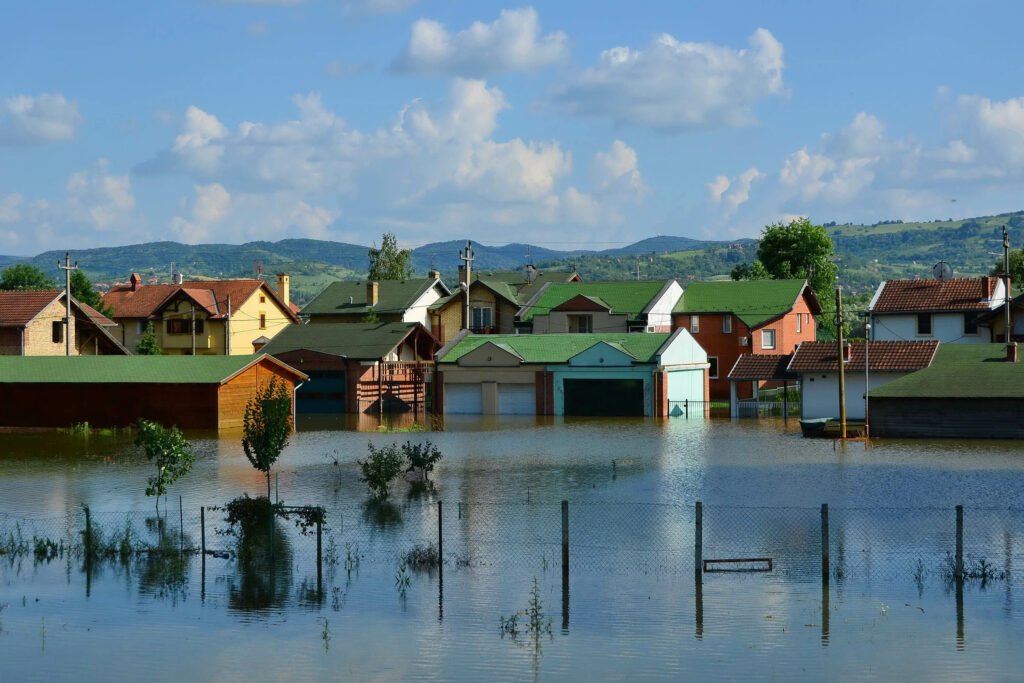
Texas Flood Watches and Warnings Issued by the National Weather Service
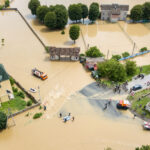
A dangerous flooding situation continues to unfold across portions of Texas as the National Weather Service (NWS) issues multiple Flood Watches, Flood Warnings, and Flash Flood Warnings due to excessive rainfall and saturated ground conditions. Communities from Central Texas to South Texas and portions of Southeast Texas are experiencing significant rainfall, leading to rising creeks, flooded roadways, and dangerous travel conditions. (National Weather Service)
Forecasters warn that additional rounds of heavy rain are expected through the coming days as deep tropical moisture remains in place across the region. Some locations could receive several additional inches of rain, increasing the risk for life-threatening flash flooding. (Houston Chronicle)
Areas Impacted
Flood Watches remain in effect across portions of South-Central Texas, including the Coastal Plains, where torrential downpours may produce isolated rainfall totals exceeding four inches in a short period of time. The National Weather Service warns that flooding may develop rapidly, especially in low-lying and flood-prone areas. (National Weather Service)
Central Texas, including the Austin metro area, has already experienced significant flooding impacts. More than 100 low-water crossings and roadways were closed due to rising water, and multiple water rescues were reported after vehicles became trapped in floodwaters. (Axios)
In the San Antonio area, widespread flash flooding forced numerous road closures while flood alerts continued across portions of Bexar County and surrounding communities. (San Antonio Express-News)
Meanwhile, portions of Southeast Texas, including the Houston area, remain under an elevated flood threat as tropical moisture continues streaming northward. Forecasters indicate localized rainfall totals could exceed 10 inches in some locations through the week. (Houston Chronicle)
Why So Much Rain?
Meteorologists attribute the flooding threat to a combination of deep Gulf moisture, slow-moving thunderstorms, and a stalled weather boundary across the state. These ingredients allow storms to repeatedly move over the same areas, producing excessive rainfall in a short period of time. (Axios)
The setup is especially concerning because many locations have already received heavy rainfall over the past several days, leaving soils saturated and increasing runoff into rivers, creeks, and drainage systems. (San Antonio Express-News)
Understanding Flood Watches vs. Flood Warnings
Flood Watch
A Flood Watch means conditions are favorable for flooding to develop. Residents should monitor forecasts, review emergency plans, and be prepared to take action if conditions worsen. (Wikipedia)
Flood Warning
A Flood Warning means flooding is occurring or is imminent. Immediate action should be taken to protect life and property. (Wikipedia)
Flash Flood Warning
A Flash Flood Warning indicates dangerous flooding is happening or expected very soon. Flash floods can develop within minutes and are among the deadliest weather hazards in Texas. (Wikipedia)
Flood Safety Tips
Residents across Texas should take the following precautions:
- Never drive through flooded roadways.
- Remember the slogan: “Turn Around, Don’t Drown.”
- Move to higher ground immediately if flooding develops.
- Keep multiple ways to receive weather alerts.
- Avoid camping or recreating near rivers and streams during flood events.
- Have an emergency kit prepared in case evacuations become necessary.
- Monitor local forecasts and National Weather Service updates frequently. (National Weather Service)
Looking Ahead
The flooding threat is expected to continue as additional rounds of heavy rain move across portions of Texas through the week. With rivers, creeks, and streams already running high, even moderate rainfall could quickly lead to dangerous flooding conditions. Residents are urged to remain weather aware and heed all warnings issued by local emergency management officials and the National Weather Service. (Houston Chronicle)
Radar Watch HQ will continue monitoring flood developments and provide updates as new watches and warnings are issued across Texas.