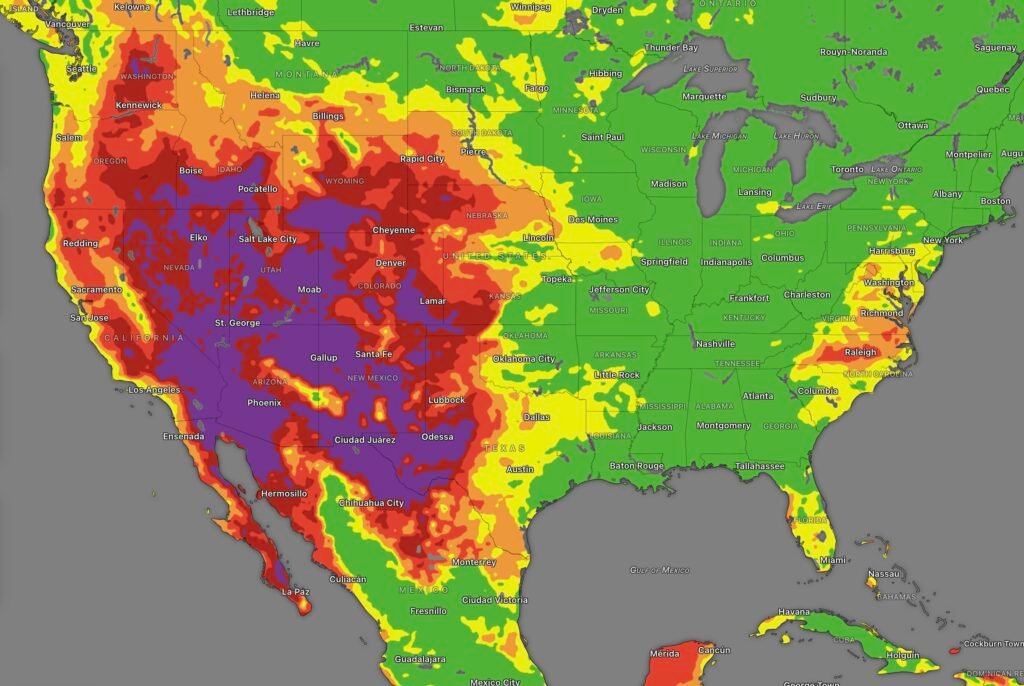
Red Flag Warnings, Humidity Levels, Drought Conditions, and Fire Danger: Understanding the Growing Threat
Red Flag Warnings, Drought Conditions, and Fire Danger Across the United States
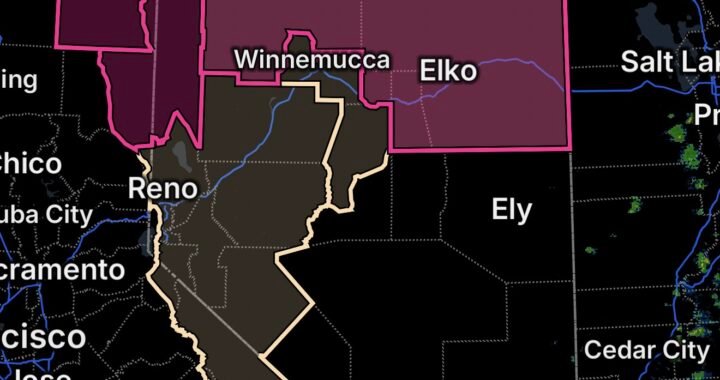
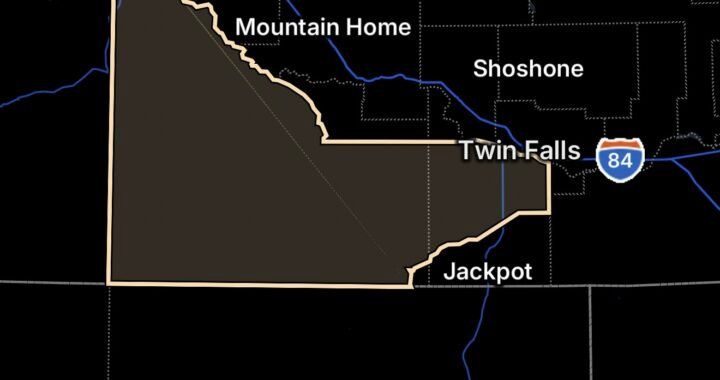
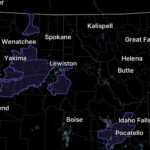
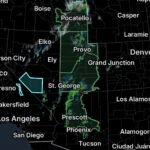
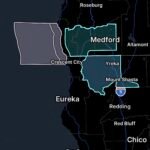
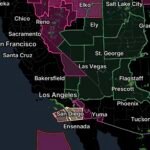
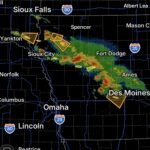
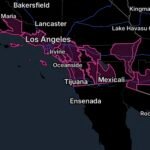
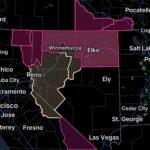
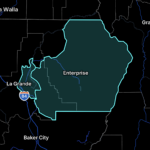
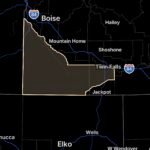
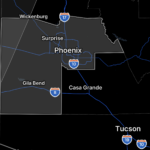
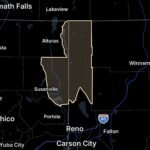
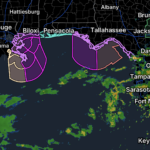
Across the United States, weather conditions are creating an elevated risk for wildfires as drought conditions, low humidity levels, gusty winds, and extreme heat continue to impact large portions of the country. The National Weather Service has issued numerous Red Flag Warnings in recent weeks, signaling dangerous fire weather conditions that can allow fires to start easily and spread rapidly.
Understanding how these weather factors work together is critical for residents, outdoor enthusiasts, and communities located in fire-prone regions.
What Is a Red Flag Warning?
A Red Flag Warning is issued by the National Weather Service when weather conditions are favorable for the rapid growth and spread of wildfires. These warnings are based on a combination of factors including:
- Very low relative humidity
- Strong and gusty winds
- Dry vegetation and fuels
- Ongoing drought conditions
- High temperatures
When a Red Flag Warning is in effect, even a small spark from outdoor equipment, campfires, vehicles, or lightning can ignite a fast-moving wildfire.
Why Humidity Matters
Relative humidity measures the amount of moisture present in the air compared to the maximum amount the air can hold at a given temperature.
Low humidity levels cause vegetation, grasses, shrubs, and trees to dry out quickly, making them more susceptible to ignition.
Fire Risk by Humidity Level
- Above 40%: Generally lower fire danger
- 25% to 40%: Elevated fire concerns
- 15% to 25%: High fire danger
- Below 15%: Critical fire weather conditions
Many western states routinely experience humidity levels below 15% during the summer months, creating an environment where fires can spread rapidly.
Drought Conditions Fuel the Threat
Long-term drought conditions create ideal wildfire fuel by drying out forests, grasslands, and brush.
When rainfall deficits persist for weeks or months:
- Soil moisture decreases
- Vegetation becomes stressed
- Rivers and reservoirs decline
- Fine fuels such as grass and leaves become highly flammable
Even after isolated rainfall events, drought-stricken areas may remain vulnerable because deeper vegetation and soils often require extended periods of moisture recovery.
Storms Can Increase Fire Danger
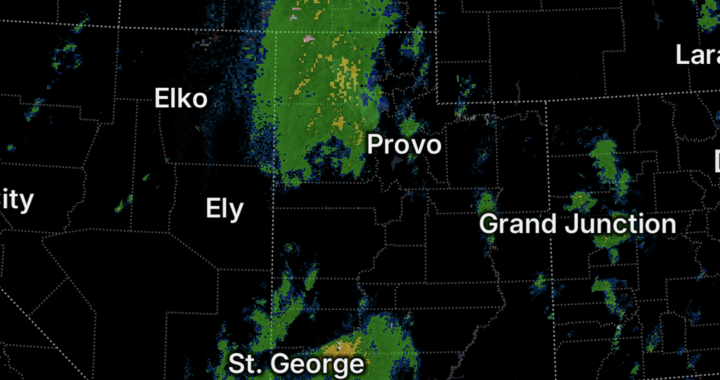
While thunderstorms are often associated with rainfall, they can sometimes increase fire danger.
Dry Thunderstorms
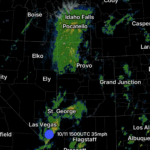
Dry thunderstorms occur when lightning reaches the ground but rainfall evaporates before reaching the surface. These storms can ignite wildfires without providing meaningful moisture.
Gusty Thunderstorm Winds
Thunderstorms can also produce strong outflow winds that rapidly spread existing fires. Wind-driven fires can change direction unexpectedly, making them extremely dangerous for firefighters and nearby communities.
Lightning-Caused Wildfires
Lightning remains one of the leading natural causes of wildfires across the western United States. During periods of drought, a single lightning strike can ignite vegetation that has been drying for weeks or months.
Areas Most Vulnerable
Regions commonly affected by elevated fire danger include:
- Arizona
- New Mexico
- Nevada
- Utah
- Colorado
- California
- Oregon
- Washington
- Texas
- Portions of the Great Plains
However, drought and fire weather conditions can develop in nearly any state during prolonged periods of hot, dry weather.
Safety Tips During Red Flag Warnings
Residents should take Red Flag Warnings seriously and follow these safety recommendations:
Avoid Activities That Create Sparks
- Do not burn debris.
- Avoid welding outdoors.
- Properly secure trailer chains.
- Use caution with lawn equipment.
Prepare Your Property
- Remove dead vegetation.
- Clear gutters and roofs.
- Create defensible space around structures.
- Keep emergency supplies ready.
Stay Informed
- Monitor local weather forecasts.
- Follow National Weather Service alerts.
- Have multiple ways to receive emergency notifications.
- Know local evacuation routes.
Report Fires Immediately
If you see smoke or fire, report it immediately to local authorities. Early detection can significantly reduce wildfire impacts.
Looking Ahead
As summer heat intensifies and drought conditions persist across portions of the United States, fire weather concerns are expected to remain elevated. Residents in areas under Red Flag Warnings should stay alert and take proactive steps to reduce fire risks.
The combination of low humidity, dry vegetation, strong winds, and ongoing drought creates conditions where wildfires can develop quickly and spread with little warning. Staying informed and prepared remains the best defense against these rapidly evolving weather threats.
At Radar Watch HQ, we will continue monitoring wildfire conditions, drought developments, humidity trends, and Red Flag Warnings nationwide throughout the season.