




Oklahoma City Weather Conditions: Heat, Humidity, and Thunderstorm Activity Across Central Oklahoma
Oklahoma City is experiencing a typical early summer weather pattern characterized by warm temperatures, increasing humidity, and periodic thunderstorm development. As June progresses, residents across central Oklahoma are seeing a combination of sunshine, moisture-rich air, and the potential for strong thunderstorms that can quickly impact travel, outdoor activities, and local communities. (National Weather Service)
Warm and Humid Conditions Continue
The Oklahoma City metro area remains under a warm and increasingly humid air mass flowing northward from the Gulf region. Afternoon temperatures are generally climbing into the upper 80s and lower 90s, while overnight lows remain mild in the 70s. The added moisture in the atmosphere creates uncomfortable conditions and pushes heat index values higher than actual air temperatures. Historical June averages show highs near 89°F with humidity levels frequently exceeding 65 percent. (Weather U.S.)
Humidity plays a major role in how hot it feels outdoors. Even when temperatures remain below 95°F, elevated moisture levels can make conditions feel significantly warmer and increase the risk of heat-related illnesses.
Thunderstorm Chances Remain Elevated
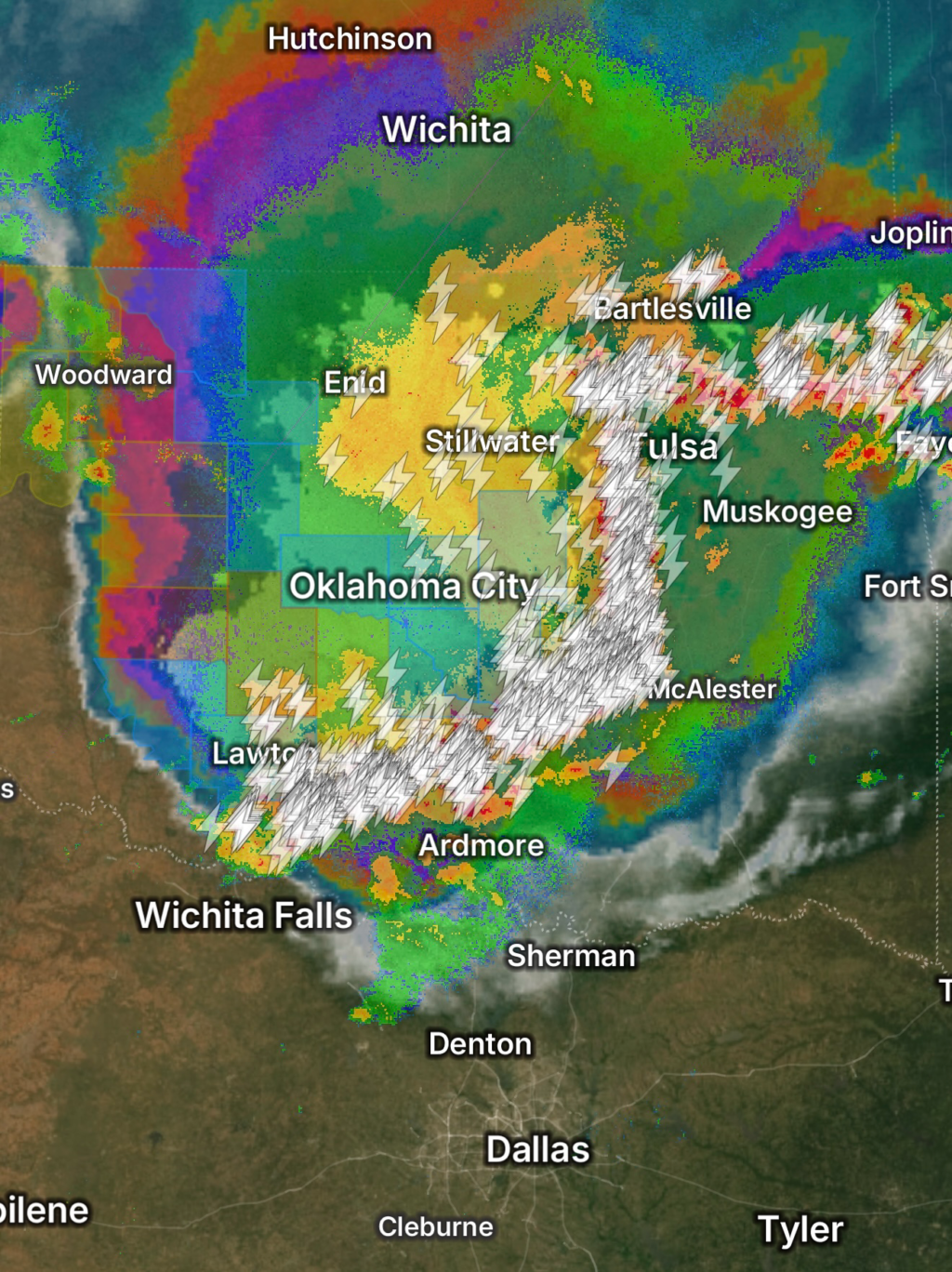
Weather patterns across Oklahoma continue to support scattered showers and thunderstorms, particularly during the afternoon and evening hours. The National Weather Service forecast indicates multiple opportunities for thunderstorms as moisture and instability interact across the region. Some storms may produce heavy rainfall, lightning, gusty winds, and localized flooding. (National Weather Service)
While widespread severe weather is not expected every day, Oklahoma’s location within the Southern Plains means atmospheric conditions can change rapidly. Residents should remain alert for severe thunderstorm warnings and potential flash flood alerts when storms develop.
Rainfall Benefiting Drought Concerns
Recent rounds of rainfall have helped improve soil moisture across portions of central Oklahoma. However, periods of heavy rain can still create localized flooding concerns, especially in low-lying areas, urban locations, and near creeks and streams.
Meteorologists continue monitoring additional storm systems that may move across the region through the coming days. Any slow-moving thunderstorms could produce significant rainfall in a short amount of time. (National Weather Service)
Summer Heat Building Ahead
Forecast guidance suggests temperatures will continue trending warmer as summer strengthens across the Southern Plains. Sunshine combined with high humidity may produce heat index values exceeding 100°F on some afternoons. Long-range outlooks indicate Oklahoma could experience additional warm periods along with recurring thunderstorm chances through the remainder of June. (Almanac)
As temperatures rise, residents should stay hydrated, limit strenuous outdoor activities during peak afternoon heat, and check on vulnerable family members, neighbors, and pets.
Severe Weather Awareness Remains Important
Oklahoma is no stranger to severe weather. The region sits within an area that frequently experiences strong thunderstorms, large hail, damaging winds, flash flooding, and tornadoes during the warm season. Although peak tornado season generally occurs during spring, severe weather threats can continue well into summer when sufficient instability and moisture are present. (Wikipedia)
Staying weather-aware is essential throughout the season. Residents should have multiple ways to receive warnings, including weather apps, NOAA Weather Radio, and local emergency alerts.
Looking Ahead
The overall weather pattern for Oklahoma City remains active, with a mix of summer heat, elevated humidity, and periodic thunderstorm chances. While rainfall provides benefits for vegetation and water resources, residents should remain prepared for rapidly changing weather conditions and occasional severe storms.
As central Oklahoma moves deeper into summer, monitoring forecasts and staying prepared for heat and severe weather will remain key priorities for communities across the region.