









New York and Washington Weather Update: Heat, Humidity, and Thunderstorm Threats Continue
As summer settles into the Eastern United States, residents across New York and Washington, D.C. are experiencing a combination of increasing heat, elevated humidity, and the potential for strong thunderstorms. Weather patterns across the Northeast and Mid-Atlantic continue to fluctuate as warm, moisture-rich air pushes northward, creating an environment favorable for both oppressive heat and severe weather development. (AccuWeather)
Heat and Humidity Building Across the Region
Temperatures throughout New York and Washington are climbing well above seasonal averages. Afternoon highs are reaching into the upper 80s and 90s, while dew points remain elevated, creating heat index values that often feel closer to 100°F. The combination of heat and humidity can increase the risk of heat-related illnesses, especially for outdoor workers, children, and older adults. (AccuWeather)
Overnight conditions are providing little relief as warm and muggy air remains locked in place. High humidity levels are contributing to poor sleeping conditions and increased energy demand as residents rely heavily on air conditioning. (AccuWeather)
Thunderstorms Developing During Peak Heating Hours
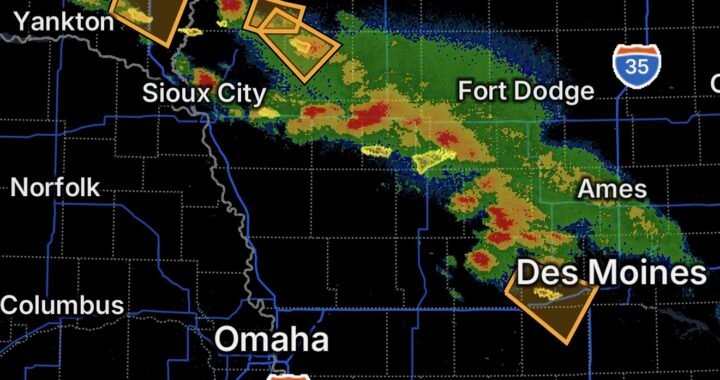
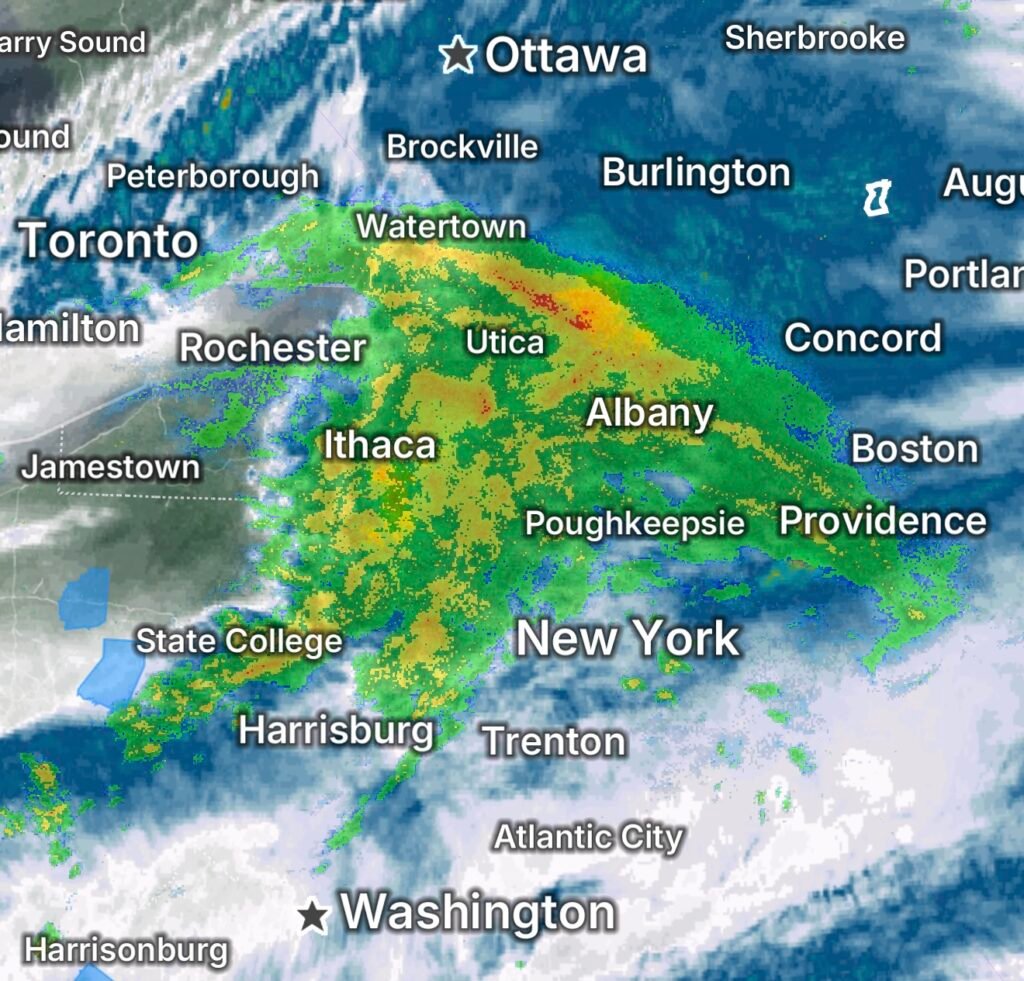
Meteorologists are closely monitoring several disturbances moving through the Northeast and Mid-Atlantic. As daytime heating combines with abundant moisture, scattered thunderstorms are expected to develop during the afternoon and evening hours. Some storms may become severe, producing damaging wind gusts, frequent lightning, torrential rainfall, and isolated hail. (FOX Weather)
The greatest threat area includes portions of New York City, the Hudson Valley, northern New Jersey, Philadelphia, Baltimore, and Washington, D.C. Localized flash flooding may occur where thunderstorms repeatedly move over the same locations. Urban areas are especially vulnerable due to poor drainage and large amounts of pavement. (New York Post)
Heavy Rainfall and Flooding Concerns
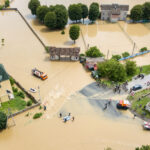
Recent weather patterns have delivered multiple rounds of rainfall across parts of the Northeast. Additional storms could bring rainfall totals capable of overwhelming drainage systems and causing flooding along creeks, streams, and low-lying roadways. Emergency managers are encouraging residents to remain weather aware and avoid driving through flooded roads. (Times Union)
Flash flooding remains one of the most dangerous weather hazards because it can develop rapidly with little warning. Motorists should remember the safety message: Turn Around, Don’t Drown.
Air Quality and Comfort Levels
High humidity levels can also impact air quality, especially in densely populated urban corridors stretching from Washington, D.C. to New York City. Stagnant air masses combined with summer heat can lead to elevated ozone levels, reducing air quality and creating challenges for those with respiratory conditions. Heat and humidity together make outdoor activities significantly more strenuous than the actual air temperature suggests. (AccuWeather)
What Residents Should Expect
The overall pattern across New York and Washington will remain active through the coming days. Residents should prepare for:
- Hot and humid afternoons
- Scattered to numerous thunderstorms
- Potential severe weather outbreaks
- Localized flash flooding
- Reduced air quality during periods of stagnant heat
- Dangerous heat index values approaching or exceeding 100°F
Weather conditions can change rapidly during the summer months, particularly when strong cold fronts interact with warm, moisture-rich air masses. Staying informed through local forecasts, weather alerts, and emergency notifications will be critical as the region navigates another period of active summer weather. (FOX Weather)
Final Thoughts
New York and Washington, D.C. are entering a period of classic summer weather characterized by heat, humidity, and frequent thunderstorm activity. While many areas will experience typical summertime conditions, some locations could see severe storms capable of producing damaging winds, flooding rainfall, and dangerous lightning. Residents are encouraged to monitor local forecasts and remain prepared for rapidly changing weather conditions throughout the week. (FOX Weather)