









Air Quality, Humidity, and Dew Points: Understanding the Weather Conditions Affecting Communities Across America
Why Air Quality and Moisture Levels Matter
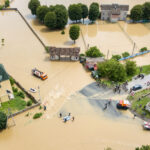
As summer weather intensifies across the United States, many communities are experiencing a combination of elevated humidity levels, higher dew points, and fluctuating air quality conditions. While thunderstorms, flooding, and heat often receive the most attention, air quality and atmospheric moisture can significantly impact public health, outdoor activities, and overall comfort.
Meteorologists continue monitoring changing weather patterns as moisture-rich air spreads across much of the country, creating conditions that can worsen heat stress while also influencing air pollution levels.
Understanding Humidity and Dew Point
Humidity refers to the amount of moisture present in the atmosphere. When humidity levels rise, the air feels heavier and can make temperatures seem much hotter than the actual reading.
Dew point is often considered the better measure of human comfort because it directly reflects the amount of moisture in the air. The higher the dew point, the more uncomfortable conditions become.
Dew Point Comfort Levels
- Below 55°F: Comfortable and dry
- 55°F to 60°F: Slightly humid
- 60°F to 65°F: Noticeably humid
- 65°F to 70°F: Very humid
- Above 70°F: Tropical and oppressive
Many areas across the South, Midwest, Gulf Coast, and portions of the East Coast frequently experience dew points above 70°F during the summer months, creating uncomfortable and potentially dangerous conditions when combined with high temperatures.
How High Humidity Affects the Body
When humidity levels are elevated, the body’s natural cooling system becomes less effective. Sweat does not evaporate as quickly, making it more difficult to regulate body temperature.
Potential impacts include:
- Increased risk of heat exhaustion
- Increased risk of heat stroke
- Dehydration
- Fatigue
- Breathing difficulties for sensitive individuals
- Reduced outdoor work productivity
The combination of high temperatures and elevated dew points often results in dangerous heat index values, which represent what the temperature actually feels like to the human body.
Air Quality Concerns During Summer
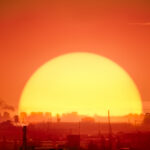
Air quality can deteriorate during prolonged periods of heat and stagnant weather patterns. Ground-level ozone, smoke from wildfires, dust, and other pollutants may accumulate when atmospheric conditions limit air movement.
Poor air quality can affect:
- Children
- Older adults
- Individuals with asthma
- People with chronic lung disease
- Outdoor workers
- Athletes and recreational enthusiasts
Symptoms associated with poor air quality may include:
- Coughing
- Throat irritation
- Shortness of breath
- Headaches
- Eye irritation
- Reduced lung function
The Connection Between Air Quality and Humidity
Humidity and air quality often work together to create uncomfortable conditions. High moisture levels can trap pollutants near the surface, especially during periods of weak winds and strong atmospheric pressure systems.
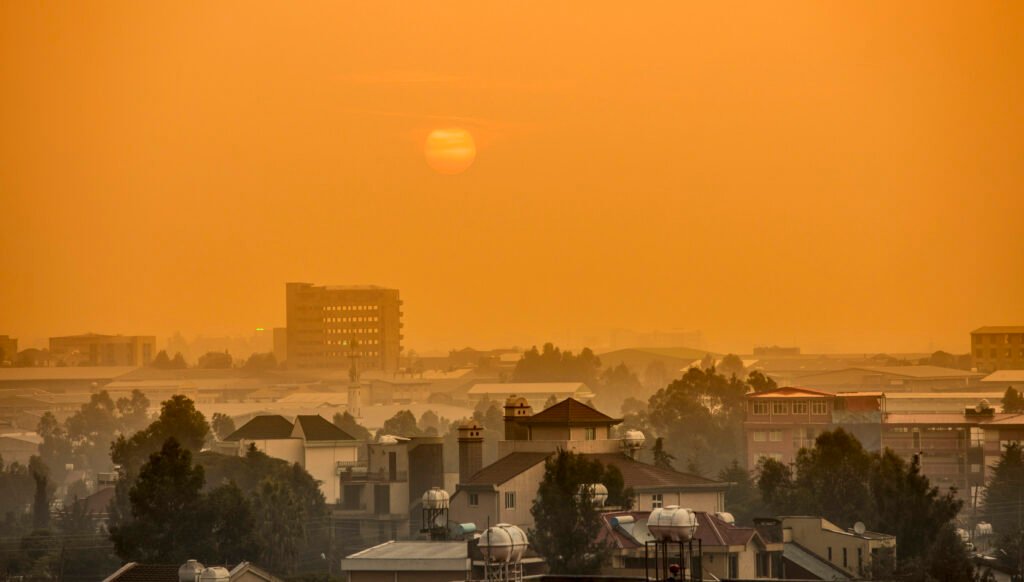
Additionally, wildfire smoke can interact with humid air, reducing visibility and creating hazy skies. In urban environments, heat and humidity can accelerate ozone formation, leading to air quality alerts.
Thunderstorms Can Improve Air Quality
While storms can create severe weather hazards, they often provide temporary improvements in air quality.
Benefits of thunderstorms include:
- Removing airborne pollutants
- Reducing concentrations of dust and pollen
- Cooling temperatures
- Lowering ozone levels
- Improving visibility
However, humid conditions often return quickly after rainfall, especially during active summer weather patterns.
Staying Safe During High Humidity and Poor Air Quality Events
Residents can take several steps to protect themselves when conditions become uncomfortable or unhealthy:
Heat and Humidity Safety
- Drink plenty of water throughout the day
- Limit strenuous outdoor activities
- Wear lightweight clothing
- Take frequent breaks in air-conditioned environments
- Monitor local heat advisories
Air Quality Safety
- Check local air quality forecasts regularly
- Reduce outdoor activity during poor air quality periods
- Keep windows closed when smoke or pollution levels are elevated
- Use air purifiers if available
- Follow guidance from local health officials
Looking Ahead
Meteorologists expect periods of high humidity and elevated dew points to continue across many regions during the summer season. Combined with occasional air quality concerns from pollution, smoke, and stagnant weather patterns, these conditions can create significant impacts for millions of Americans.
Monitoring local forecasts, heat indices, air quality reports, and severe weather alerts remains essential as communities navigate the challenges of summer weather.
Understanding the relationship between humidity, dew points, and air quality helps residents make informed decisions and stay safe during periods of uncomfortable or hazardous atmospheric conditions.