
Cloud Cover, Fog, Reduced Visibility, and Thunderstorms Impact Florida as Marine Hazards Increase Along the Coast
Florida Weather Outlook: What Residents and Boaters Need to Know
Florida is experiencing a combination of widespread cloud cover, areas of dense fog, reduced visibility, scattered thunderstorms, and hazardous marine conditions as tropical moisture continues to influence the region. Weather conditions are creating challenges both inland and along coastal waters, prompting forecasters to issue Special Marine Statements for portions of the state’s coastline.
With the peak of the warm season underway, Floridians should expect rapidly changing weather conditions capable of impacting travel, outdoor activities, and marine operations.
Increased Cloud Cover Across the Sunshine State
Cloud coverage has become a dominant feature across much of Florida as abundant moisture remains trapped in the atmosphere. While clouds can temporarily limit daytime heating, they also contribute to elevated humidity levels and create favorable conditions for thunderstorm development later in the day.
Periods of overcast skies have been observed across both coastal and inland communities, resulting in slower temperature rises during the morning hours before storms begin to develop.
Fog and Visibility Concerns
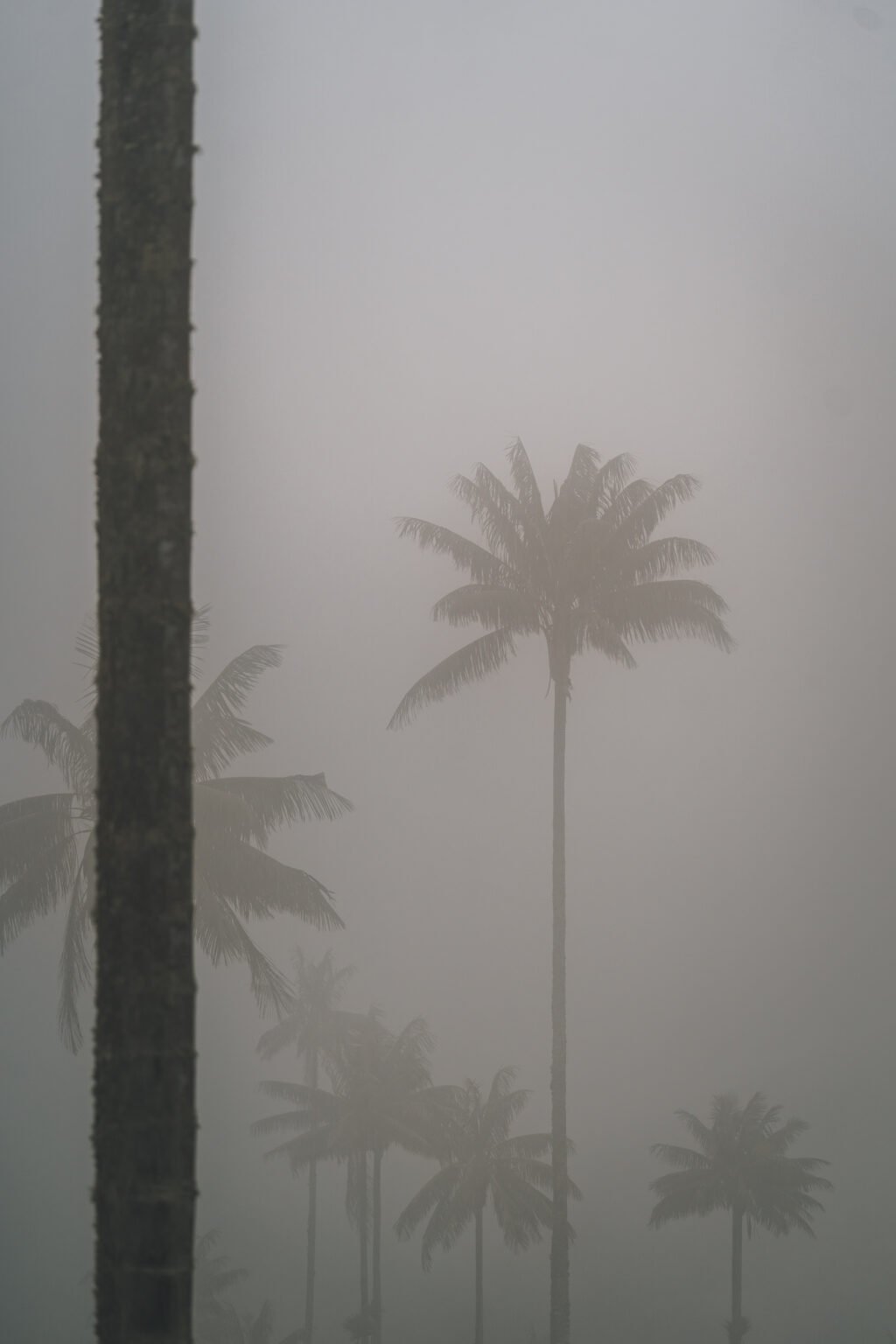
Areas of fog have developed during overnight and early morning hours, particularly near waterways, marshlands, and coastal communities. The combination of high humidity, light winds, and abundant moisture has led to localized reductions in visibility.
Motorists should remain alert for:
- Sudden drops in visibility
- Fog-prone bridges and low-lying areas
- Wet road surfaces
- Rapidly changing driving conditions during sunrise
Reduced visibility can also impact airport operations and marine navigation, especially in bays, inlets, and nearshore waters.
Thunderstorm Activity Increasing During Afternoon Hours
As daytime heating combines with Florida’s humid air mass, scattered to numerous thunderstorms are expected to develop across many areas.
These storms may produce:
- Frequent lightning
- Heavy rainfall
- Gusty winds
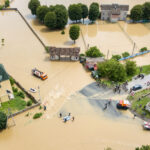
- Localized flooding
- Dangerous visibility reductions
- Waterspouts near coastal waters
Thunderstorms can form quickly and intensify within a short period of time, making weather awareness critical for residents and visitors.
Special Marine Statements Issued Along Florida’s Coast
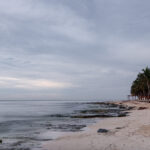
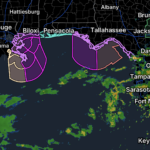
Marine conditions have become increasingly hazardous as thunderstorms move over coastal waters. Special Marine Statements are often issued when strong thunderstorms produce dangerous conditions that pose risks to boaters.
Hazards associated with marine thunderstorms include:
- Wind gusts exceeding 34 knots
- Frequent cloud-to-water lightning
- Torrential rainfall
- Sudden rough seas
- Waterspouts
- Near-zero visibility
Even small thunderstorms can rapidly create dangerous conditions on the water.
Safety Tips for Boaters
Boaters and beachgoers should closely monitor weather conditions before heading onto the water.
If a Special Marine Statement Is Issued:
- Return to port immediately if possible.
- Seek safe harbor before storms arrive.
- Monitor NOAA Weather Radio and marine forecasts.
- Secure loose equipment onboard.
- Avoid open water during lightning activity.
- Wear life jackets at all times.
Remember that thunderstorms can move faster than expected, leaving little time to react.
Beach Hazards Continue
In addition to thunderstorms, coastal hazards may include:
- Dangerous rip currents
- Strong longshore currents
- Rough surf
- Lightning threats near beaches
Beach visitors should immediately leave the water when thunder is heard or lightning is observed.
Looking Ahead
Florida’s pattern of high moisture, abundant cloud cover, morning fog, and afternoon thunderstorms is expected to remain common through the coming days. Residents should remain weather-aware, particularly during the afternoon and evening hours when thunderstorms are most likely to develop.
Marine interests should continue monitoring forecasts and Special Marine Statements as rapidly changing conditions can create dangerous situations along Florida’s coastal waters.
Preparedness and awareness remain the best tools for staying safe during Florida’s active summer weather pattern.