




Arizona Heat Alerts: Dangerous Temperatures Grip the Desert Southwest
Arizona residents are facing another significant heat event as extreme temperatures spread across the state. Meteorologists warn that a strengthening high-pressure system over the Southwest will drive temperatures into the triple digits across many communities, with some lower desert locations exceeding 110°F.
Heat Alerts Expanded Across Arizona
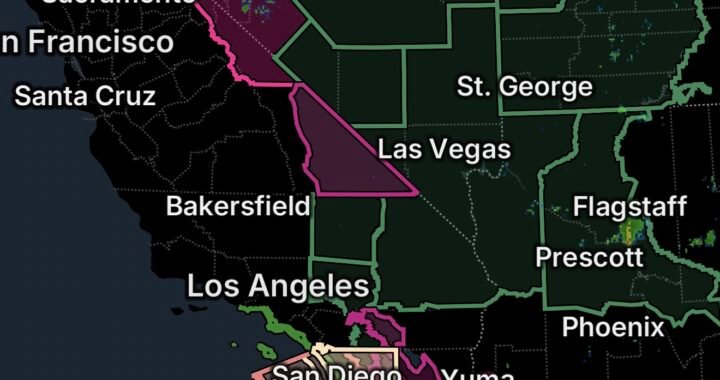
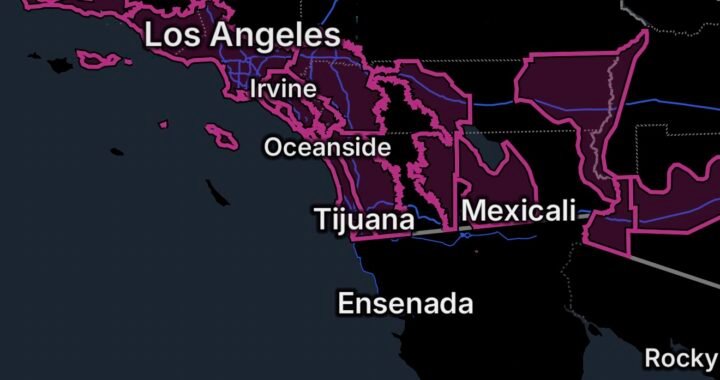
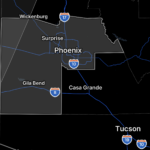
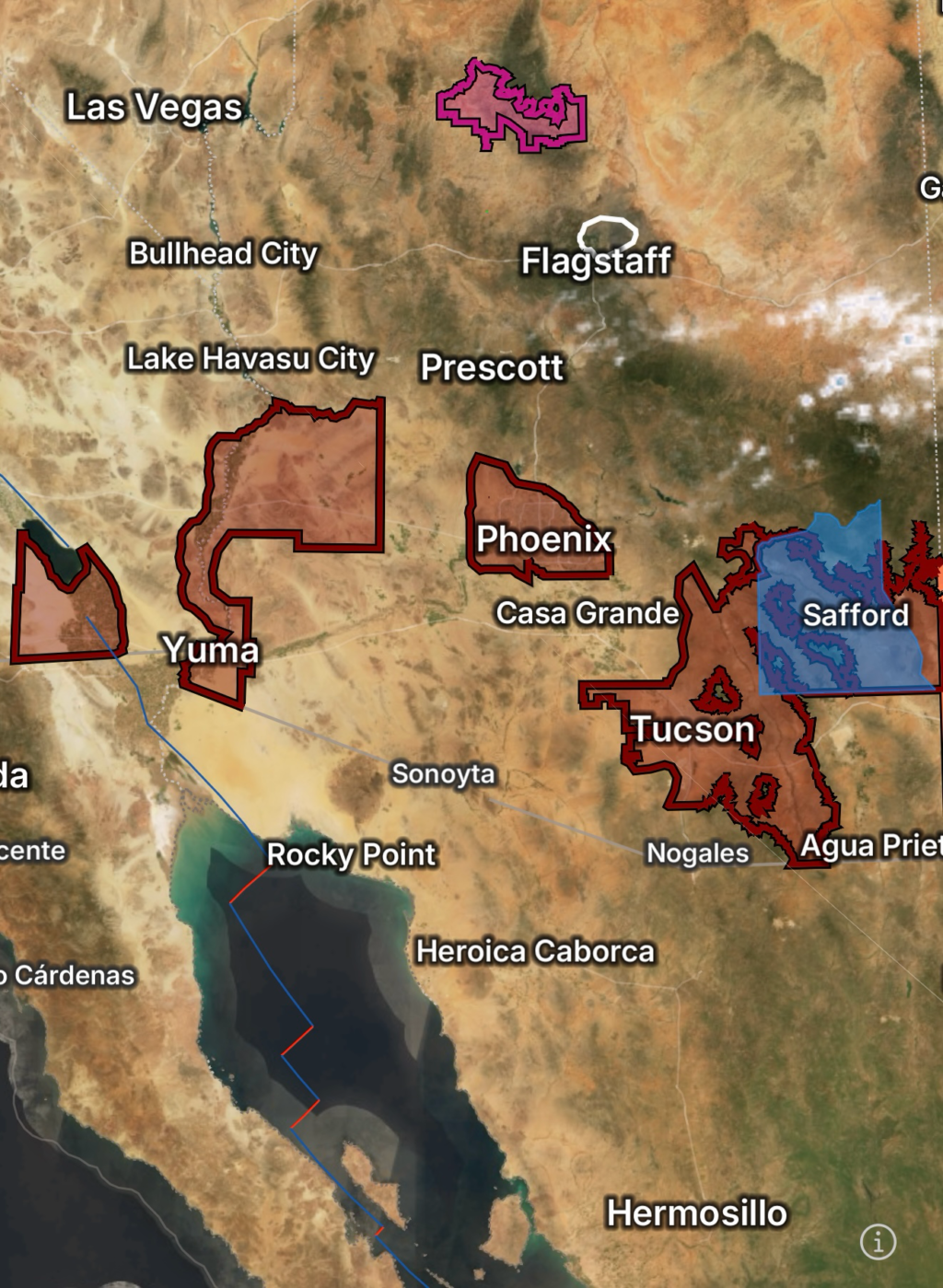
The National Weather Service has issued multiple Extreme Heat Watches and Warnings affecting areas including Phoenix, Tucson, Yuma, portions of Pinal County, and the Grand Canyon region. Forecasters expect temperatures to peak during the middle and latter part of the week, with widespread Moderate to Major HeatRisk levels developing across the state’s lower deserts.
Phoenix is forecast to experience several consecutive days above 110°F, while surrounding communities could see temperatures ranging from 108°F to 115°F. These conditions significantly increase the risk of heat-related illnesses, especially for vulnerable populations.
Grand Canyon Facing Dangerous Conditions
One of the most concerning areas remains Grand Canyon National Park, where temperatures at lower elevations are expected to exceed 110°F. Park officials continue to urge visitors to avoid hiking during the hottest parts of the day.
Recent heat-related fatalities within the Grand Canyon have highlighted the dangers associated with Arizona’s summer climate. Rangers stress that temperatures inside the canyon can be dramatically hotter than those experienced along the rim, creating life-threatening conditions for hikers who underestimate the heat.
Why This Heat Event Is So Dangerous
Extreme heat is consistently Arizona’s deadliest weather hazard. Unlike severe thunderstorms or flash floods, heat can impact large populations simultaneously and often develops gradually, making it easier for people to underestimate the threat.
Prolonged exposure to excessive heat can lead to:
- Heat exhaustion
- Heat stroke
- Severe dehydration
- Cardiovascular stress
- Increased risk for elderly individuals and young children
Overnight temperatures may remain elevated as well, limiting the body’s ability to recover from daytime heat exposure.
Impact on Daily Life
The extreme temperatures can strain electrical grids as air conditioning demand surges across the state. Arizona’s seasonal protections against utility shutoffs are currently in effect to help residents maintain cooling during dangerous heat events.
Outdoor construction crews, landscapers, delivery workers, and emergency responders face heightened risks during prolonged exposure. Many employers are adjusting schedules to avoid the hottest afternoon hours.
Fire Weather Concerns Continue
The heat arrives alongside ongoing drought conditions and low humidity across portions of Arizona. These factors contribute to elevated wildfire danger, particularly in central and northern Arizona.
Officials continue to monitor fire activity near several forested regions, where hot temperatures and dry fuels can accelerate wildfire growth.
Heat Safety Tips
Arizona residents are encouraged to take the following precautions:
- Drink water frequently, even if you are not thirsty.
- Limit outdoor activities between 10 a.m. and 6 p.m.
- Wear lightweight, light-colored clothing.
- Never leave children or pets in parked vehicles.
- Check on elderly relatives and neighbors.
- Utilize cooling centers if air conditioning is unavailable.
- Recognize symptoms of heat exhaustion and heat stroke.
Looking Ahead
The hottest temperatures are expected through the middle of the week before slight changes in weather patterns potentially introduce increased moisture and isolated monsoon activity. However, forecasters caution that dangerous heat will remain a major concern across Arizona throughout the remainder of June.
Residents should continue monitoring official forecasts and heat alerts as conditions evolve. With temperatures reaching potentially dangerous levels across much of the state, preparation and awareness remain essential to staying safe during Arizona’s summer heat season.