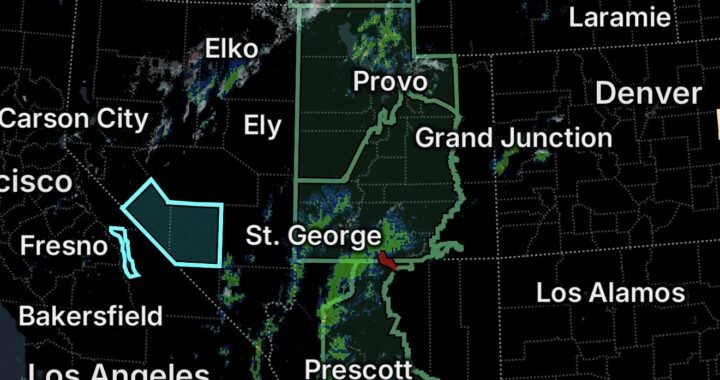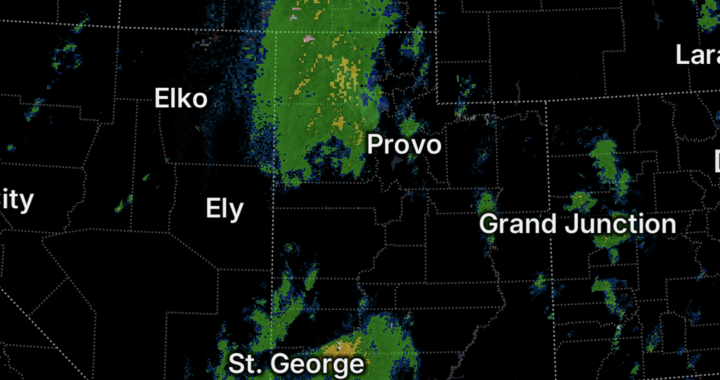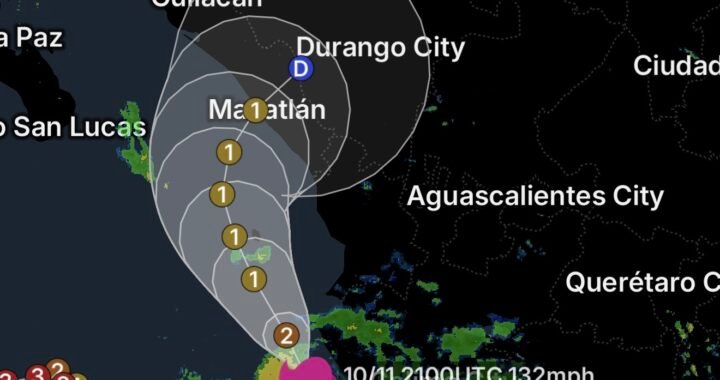






Coastal Hazards Impacting America’s Beaches and Shorelines
America’s coastlines are facing growing challenges as weather patterns, rising seas, stronger storms, and changing ocean conditions continue to increase coastal hazards. From the Atlantic Coast to the Gulf Coast, Pacific shoreline, and Great Lakes regions, communities are experiencing more frequent flooding, dangerous surf, beach erosion, and marine hazards that threaten lives, property, and local economies.
As hurricane season progresses and coastal storms become more intense, understanding these hazards is becoming increasingly important for residents, visitors, emergency managers, and local officials.
Major Coastal Hazards Affecting the United States
Coastal Flooding
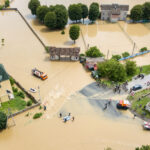
Coastal flooding remains one of the most common and costly hazards impacting shoreline communities. High tides, storm surge, persistent onshore winds, and heavy rainfall can quickly inundate roads, neighborhoods, parks, and beachfront properties.
Even without tropical systems, “sunny day flooding” or nuisance flooding is becoming more common in many coastal areas due to higher sea levels and recurring high-tide events.
Impacts include:
- Flooded roadways
- Property damage
- Disrupted transportation
- Saltwater intrusion into freshwater systems
- Increased infrastructure repair costs
Dangerous Rip Currents
Rip currents are among the deadliest beach hazards in America. These powerful channels of water flow away from shore and can quickly pull swimmers into deeper waters.
Thousands of beach rescues occur each year because of rip currents, and many fatalities happen when swimmers panic and attempt to swim directly back toward shore.
Safety tips include:
- Swim near lifeguards.
- Never enter rough surf alone.
- If caught in a rip current, remain calm and swim parallel to shore.
- Float if necessary until out of the current.
High Surf and Rough Seas
Large waves generated by storms hundreds of miles offshore can create dangerous surf conditions along beaches.
High surf can:
- Sweep people off jetties and piers.
- Cause beach erosion.
- Damage coastal infrastructure.
- Create dangerous swimming conditions.
Many coastal areas issue High Surf Advisories when waves become large enough to pose a threat to beachgoers and marine interests.
Beach Erosion
Continuous wave action, storm surge, and rising water levels contribute to beach erosion across many U.S. shorelines.
Erosion can:
- Reduce beach width.
- Damage dunes.
- Threaten homes and businesses.
- Increase vulnerability to future storms.
Communities often invest millions of dollars in beach nourishment projects to help protect coastlines from ongoing erosion.
Storm Surge
Storm surge remains one of the most dangerous aspects of tropical cyclones and coastal storms.
A storm surge occurs when strong winds push ocean water inland, causing rapid flooding that can reach several feet above normal tide levels.
Storm surge can:
- Destroy structures.
- Flood entire communities.
- Wash out roads and bridges.
- Cause life-threatening conditions within minutes.
Many hurricane-related fatalities occur because of storm surge flooding rather than wind damage.
Marine Hazards Increasing Along Coastal Waters
Boaters and mariners also face increasing risks from changing weather conditions.
Common marine hazards include:
- Small Craft Advisories
- Gale Warnings
- Hazardous Seas Warnings
- Dense Sea Fog
- Thunderstorms over coastal waters
- Waterspouts
- Strong tidal currents
Sudden weather changes can quickly turn calm waters into dangerous conditions, especially during summer thunderstorm season and tropical weather events.
The Role of Climate and Weather Patterns
Scientists and weather experts continue monitoring long-term changes that may be contributing to increased coastal impacts.
Factors being studied include:
- Rising sea levels
- Warmer ocean temperatures
- More frequent heavy rainfall events
- Stronger coastal storms
- Changes in hurricane behavior
- Increased tidal flooding
While individual events vary, many coastal communities are experiencing more frequent flooding and shoreline changes than in previous decades.
How Communities Are Preparing
Local governments, emergency managers, and coastal agencies are implementing measures to improve resilience and reduce risks.
These efforts include:
- Improved flood warning systems
- Beach restoration projects
- Dune protection programs
- Updated building codes
- Enhanced evacuation planning
- Coastal infrastructure improvements
Many communities are also investing in real-time monitoring systems to track tides, wave heights, and coastal flooding threats.
Staying Safe Along America’s Coastlines
Residents and visitors should always remain aware of changing weather and ocean conditions.
Before heading to the beach:
- Check local forecasts and advisories.
- Follow instructions from lifeguards and emergency officials.
- Avoid flooded roads and coastal barriers.
- Stay off piers and jetties during rough surf.
- Have an evacuation plan during tropical weather threats.
Preparedness and awareness remain the most effective tools for reducing risks associated with coastal hazards.
Looking Ahead
America’s beaches and shorelines remain some of the nation’s most valuable natural resources, but they face increasing pressure from coastal flooding, erosion, dangerous surf, and severe weather. As communities adapt to these challenges, continued investment in forecasting, preparedness, and coastal resilience will be essential for protecting lives, property, and the future of coastal regions.
Understanding coastal hazards today can help communities better prepare for tomorrow’s storms and changing shoreline conditions.