




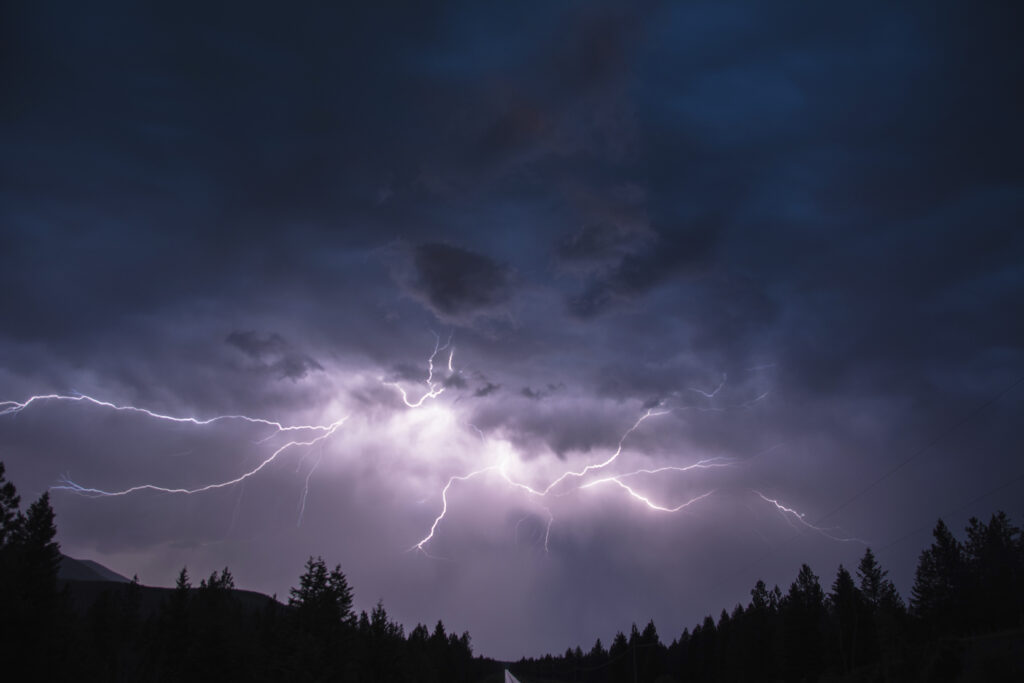
Colorado Lightning Strikes Spark Safety Concerns Across the State
Published: June 10, 2026
Frequent Lightning Threat Continues Across Colorado
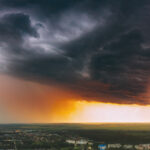
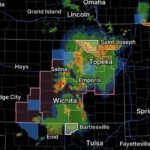
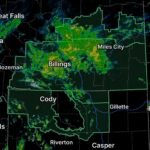
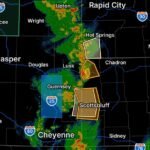
Colorado is once again experiencing an active stretch of thunderstorm activity, bringing dangerous lightning strikes to communities from the Front Range to the Eastern Plains. As warmer temperatures combine with abundant moisture and favorable atmospheric conditions, thunderstorms have become a daily occurrence in many areas, increasing the risk of cloud-to-ground lightning.
Colorado consistently ranks among the states with some of the highest lightning activity during the late spring and summer months. The state’s mountainous terrain often helps trigger afternoon and evening thunderstorms, which can rapidly intensify and produce frequent lightning, heavy rainfall, gusty winds, and hail.
Why Colorado Experiences So Much Lightning
Several factors contribute to Colorado’s lightning-prone environment:
- Warm daytime heating creates unstable air.
- Moisture from the Gulf of Mexico and monsoon patterns fuels thunderstorm development.
- Mountainous terrain forces air upward, helping storms form quickly.
- Strong atmospheric instability promotes vigorous thunderstorm updrafts.
When these ingredients come together, thunderstorms can generate thousands of lightning strikes within a matter of hours.
Lightning: One of Nature’s Deadliest Hazards
While tornadoes often receive significant attention, lightning remains one of the most dangerous weather threats in the United States. A single lightning bolt can contain hundreds of millions of volts of electricity and can strike several miles away from the parent thunderstorm.
Many injuries occur because people underestimate the distance lightning can travel. If thunder is audible, you are already within striking distance of the storm.
Lightning Safety Tips
Weather officials recommend the following precautions during thunderstorms:
Move Indoors Immediately
The safest place during a thunderstorm is inside a substantial building or hard-topped vehicle.
Avoid Open Areas
Stay away from:
- Open fields
- Hilltops
- Golf courses
- Sports fields
- Lakes and rivers
Stay Away From Electrical Equipment
Avoid:
- Corded phones
- Plumbing fixtures
- Electrical appliances
- Wired electronics
Follow the 30-30 Rule
If the time between seeing lightning and hearing thunder is less than 30 seconds, seek shelter immediately and remain indoors for at least 30 minutes after the last rumble of thunder.
Fire Weather Concerns
Lightning can also spark wildfires, especially when storms produce little rainfall. Dry lightning events are a significant concern across portions of Colorado during the summer months, where a single strike can ignite vegetation and create rapidly spreading fires under windy conditions.
Fire agencies continue to monitor lightning-caused ignition risks across the state as seasonal drought conditions fluctuate.
Looking Ahead
Forecasters expect additional rounds of thunderstorms across Colorado throughout the coming days. Residents and visitors are encouraged to monitor local forecasts, remain weather-aware during outdoor activities, and have a plan to seek shelter quickly when thunderstorms approach.
Lightning can strike without warning, making preparedness and awareness critical during Colorado’s active summer storm season.
Stay Connected With Radar Watch HQ
For the latest severe weather updates, lightning alerts, storm tracking, hurricane coverage, and weather safety information, continue following Radar Watch HQ throughout the 2026 severe weather season.