

Relief and Reality: How Recent Rains Are Shaping U.S. Drought Conditions
Across the United States, water is a precious commodity that dictates everything from agricultural yields to municipal water supplies and wildfire risks. The latest updates from the U.S. Drought Monitor reveal a dynamic, shifting weather landscape: while sweltering heat and persistent dryness continue to tighten their grip on parts of the Plains and Upper Midwest, timely and heavy rain accumulations are bringing welcome relief to drought-affected regions across the South, Southeast, and Eastern U.S.
Understanding where drought conditions are improving—and where they continue to intensify—offers crucial insight into the nation’s current climate challenges and hydrological health.
Fast Facts: The National Drought Landscape
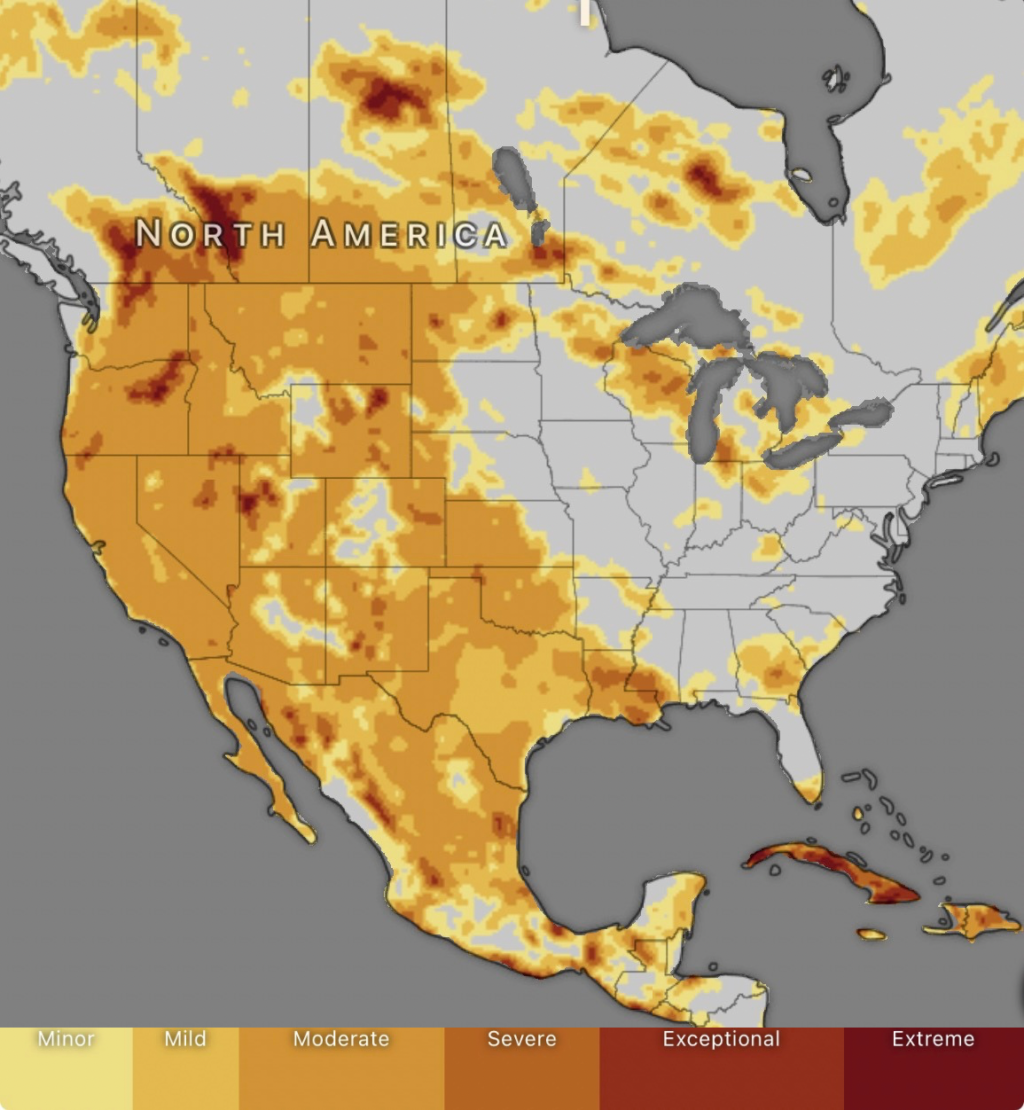
National Footprint: Roughly 40% of the U.S. and Puerto Rico remains impacted by varying degrees of drought, highlighting the broad-scale nature of current dry spells.
Regional Contrasts: Heavy precipitation events have carved out notable green patches of improvement on the U.S. Drought Monitor map across the South, Mid-Atlantic, and Northeast.
The Flip Side: Intense summer heatwaves and high evaporation rates have caused flash-drought conditions to expand in areas like the Northern Plains and Upper Midwest.
Where Recent Rains Have Brought Drought Relief
When prolonged dry spells settle in, it often takes significant, multi-inch rain events to make a meaningful dent in long-term moisture deficits. Recently, several regions have received precisely that, transforming parched landscapes and easing stress on local ecosystems.
1. The Southern U.S. and Texas Hill Country
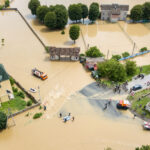
The South has experienced aggressive bursts of heavy summer rainfall. Significant downpours—with weekly accumulations ranging widely from 5 to over 10 inches in isolated pockets—have swept through parts of Texas, particularly the Hill Country. While these intense downpours occasionally trigger localized flash flooding, the long-term water input provides substantial relief to parched soils, agricultural pastures, and depleted regional watersheds.
2. The Southeast and Mid-Atlantic
Portions of North Carolina, Georgia, Florida, and surrounding Mid-Atlantic states have also cashed in on substantial rain totals. In North Carolina alone, widespread weekly rainfall tallies reaching 3 to 8 inches significantly improved drought-related parameters, bolstering streamflow and recharging soil moisture just as peak summer heat threatens crops.
3. The Northeast
Isolated but potent shower activity across parts of New York, New Jersey, Connecticut, and Massachusetts delivered 2 to 5 inches of rain. While longer-term groundwater deficits can take months of steady moisture to fully recover, these periodic downpours have successfully blunted short-term dryness and lowered immediate wildfire threats.
The Persistent Challenge: Heat, Flash Droughts, and Dry Zones
Despite encouraging improvements in the eastern half of the country, other regions are experiencing the opposite trend.
The Northern Plains and Upper Midwest: States like Minnesota and Wisconsin have faced blistering temperatures ranging from 2 to over 10 degrees above normal. Combined with a lack of rainfall, these conditions have accelerated moisture loss through high evaporation rates, fueling rapid-onset (“flash”) drought conditions that stress crops and deplete rangelands.
The West: The Western United States continues to navigate a complex mix of localized improvements and degradations, where seasonal monsoonal moisture provides relief to some areas while high ambient temperatures amplify dryness elsewhere.
What This Means for Communities and Agriculture
The dual nature of the current weather pattern underscores how localized precipitation can alter community outlooks overnight. For farmers, ranchers, and local water managers, heavy rain accumulation means a temporary break from strict water conservation measures and a reduction in high fire-danger indices. However, hydrologists emphasize that flash storms can lead to rapid runoff rather than deep soil absorption, meaning long-term drought recovery remains a gradual process.
Stay Informed
Weather and soil conditions can shift rapidly during the height of summer. Whether your local area is experiencing a welcome soaking rain or dealing with persistent heat and dryness, staying connected to real-time resources is key:
Monitor the U.S. Drought Monitor: Check weekly map updates at drought.gov to track category changes in your specific zip code.
Follow Local NWS Advisories: Keep an eye out for local National Weather Service office updates regarding burn bans, water restrictions, and changing precipitation forecasts.
Stay safe, conserve water where necessary, and keep an eye on the skies as summer weather patterns continue to evolve!