



Rising Waters: Understanding the Growing Threat of Flooding Rivers, Creeks, Streams, and Roadways
Flooding Continues to Impact Communities Across the United States
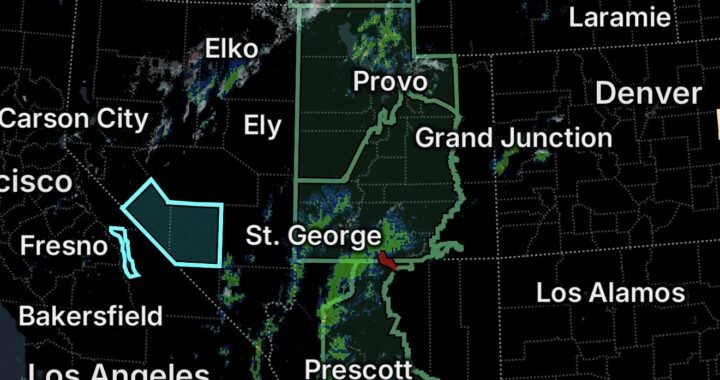
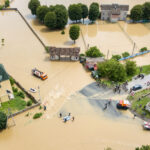
Heavy rainfall events continue to create dangerous conditions across many regions of the United States, causing rivers, creeks, streams, and roadways to overflow. As storms repeatedly move over the same areas, the ground becomes saturated and unable to absorb additional rainfall, dramatically increasing the risk of flash flooding and river flooding.
Flooding remains one of the deadliest weather hazards in America, often developing quickly and catching residents off guard. While major rivers receive significant attention during flood events, smaller creeks, streams, drainage channels, and low-lying roadways can become just as dangerous within a matter of minutes.
Why Flooding Happens
Flooding occurs when rainfall exceeds the capacity of the ground, waterways, and drainage systems to absorb or transport water. Several factors can contribute to flooding:
- Prolonged periods of heavy rainfall
- Slow-moving thunderstorms
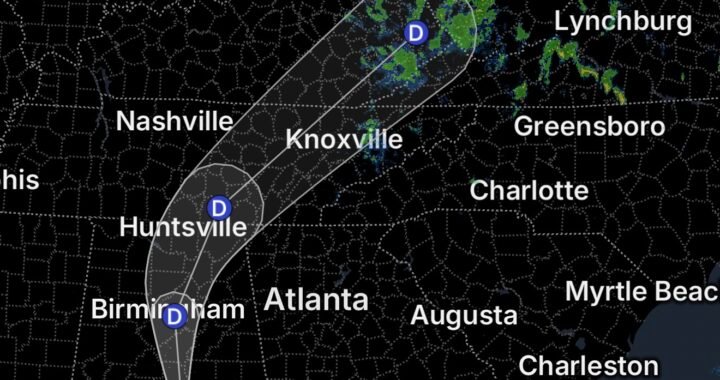
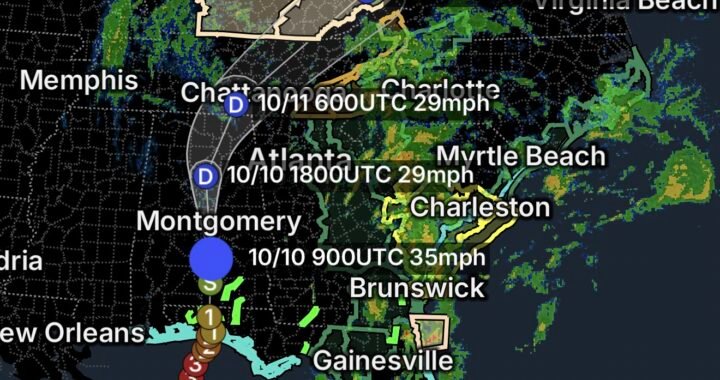
- Tropical systems and their remnants
- Urban areas with extensive pavement and limited drainage
- Saturated soils from previous rain events
- Dam or levee failures
- Rapid snowmelt in some regions
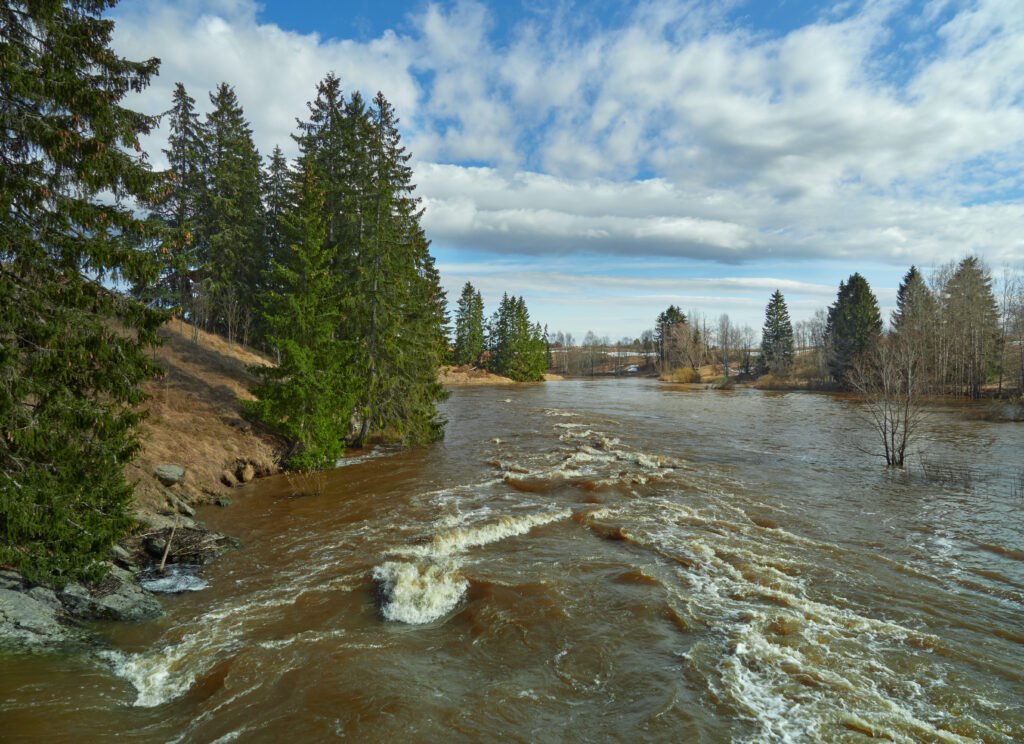
When water levels rise rapidly, streams and creeks can overflow their banks and spread into nearby neighborhoods, roadways, and agricultural areas.
Rivers and Streams Reaching Dangerous Levels
Many waterways across the country are experiencing elevated water levels due to repeated rounds of rainfall. Hydrologists closely monitor river gauges to determine when waterways approach flood stage.
River flooding can persist long after rainfall has ended. Water from upstream locations continues flowing downstream, sometimes causing flooding days after the initial storm event.
Communities located near rivers should remain alert even if skies have cleared, as flood waters can continue to rise unexpectedly.
Roadways Become Hidden Hazards
Flooded roadways are among the most dangerous aspects of any flooding event. Just a few inches of moving water can sweep a vehicle off the road.
Drivers often underestimate the depth and force of floodwaters, especially at night when visibility is limited. Water may conceal damaged pavement, debris, sinkholes, or washed-out sections of roadway.
The National Weather Service’s message remains simple and effective:
Turn Around, Don’t Drown.
Most flood-related fatalities occur in vehicles attempting to cross flooded roads.
Impacts on Communities
Flooding can create widespread disruptions, including:
Transportation Issues
- Road closures
- Washed-out bridges
- Delayed emergency response
- Traffic congestion
Property Damage
- Flooded homes and businesses
- Structural damage
- Contaminated drinking water
- Damaged electrical systems
Agricultural Concerns
- Flooded farmland
- Crop losses
- Soil erosion
- Livestock impacts
Infrastructure Damage
- Power outages
- Damaged water systems
- Sewer overflows
- Communication disruptions
Safety Actions Residents Should Take
If flooding threatens your area, take the following precautions:
Before Flooding Occurs
- Monitor weather forecasts and alerts.
- Identify evacuation routes.
- Prepare emergency supplies.
- Move valuables to higher ground.
- Charge electronic devices.
During Flooding
- Avoid flooded roadways.
- Never walk through moving water.
- Follow evacuation orders immediately.
- Stay away from rivers, streams, and drainage channels.
- Monitor local emergency management updates.
After Flooding
- Avoid standing water.
- Watch for downed power lines.
- Inspect structures for damage before entering.
- Document losses for insurance purposes.
- Continue monitoring river forecasts.
The Importance of Staying Weather Aware
Flooding can develop rapidly, especially during severe thunderstorms and tropical weather events. Conditions may change within minutes, making it critical to remain informed through trusted weather sources, local emergency management agencies, and National Weather Service alerts.
As active weather patterns continue across portions of the country, residents near rivers, creeks, streams, and flood-prone roadways should remain vigilant. Even areas that have not historically experienced flooding can face significant impacts when rainfall rates exceed drainage capacity.
The best defense against flooding is preparation, awareness, and quick action when warnings are issued.
Final Thoughts
Floodwaters are powerful, unpredictable, and often deceptive. Whether the threat comes from a swollen river, a rapidly rising creek, or a flooded roadway, taking warnings seriously can save lives. As weather systems continue to bring heavy rainfall to various regions, now is the time to review emergency plans, stay informed, and prioritize safety.
At Radar Watch HQ, we will continue monitoring flooding threats, river conditions, severe weather alerts, and hydrologic impacts across the nation.