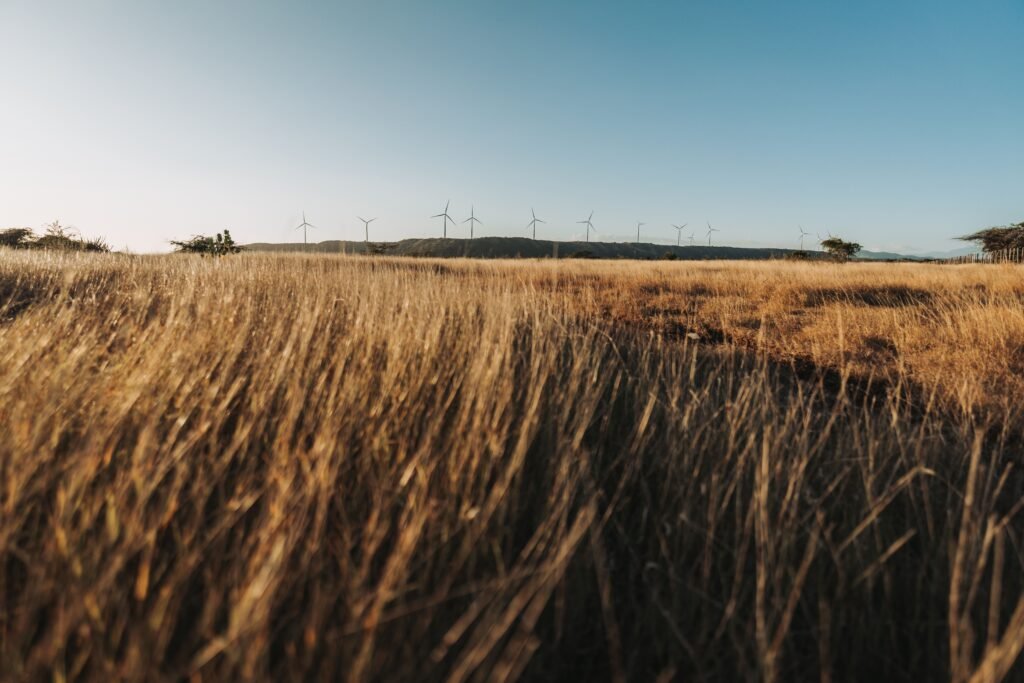
Red Flag Warnings and Fire Weather Watches: Why Dry Areas Face Greater Fire Danger Than Moist Regions
Understanding the Growing Fire Threat Across the United States
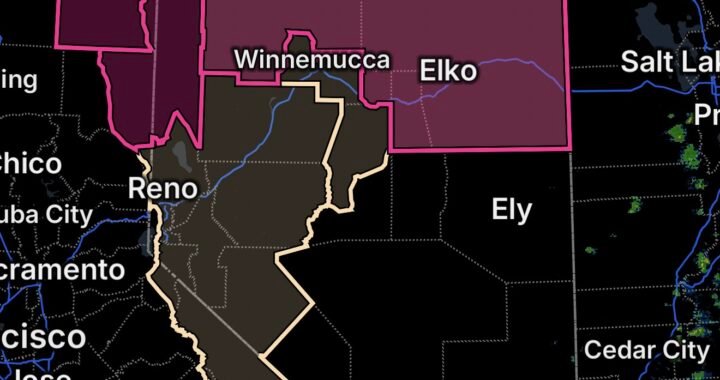
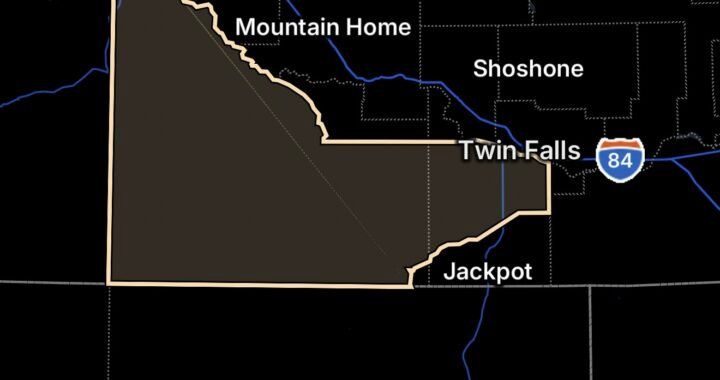
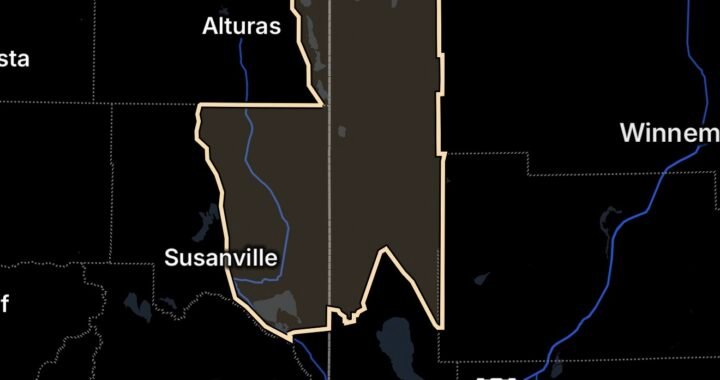
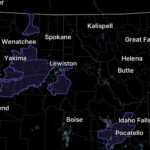
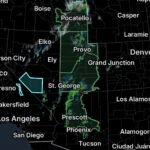
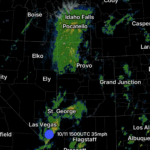
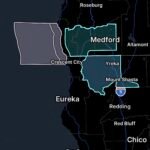
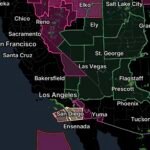
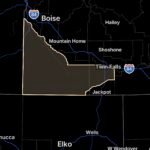
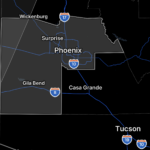
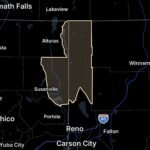
As summer heat intensifies across many parts of the United States, weather officials continue issuing Red Flag Warnings and Fire Weather Watches for regions experiencing critically dry conditions. These alerts are designed to warn residents, firefighters, and emergency managers that weather conditions are favorable for the rapid development and spread of wildfires.
One question many people ask is why some areas receive Red Flag Warnings while neighboring regions experiencing similar temperatures do not. The answer often comes down to one critical factor: moisture.
What Is a Red Flag Warning?
A Red Flag Warning is issued by the National Weather Service when a combination of weather conditions creates an environment where wildfires can start easily and spread rapidly.
Common factors include:
- Very low relative humidity
- Dry vegetation and drought conditions
- Strong winds
- Hot temperatures
- Limited recent rainfall
When these conditions occur simultaneously, even a small spark from equipment, vehicles, campfires, or lightning can ignite a fast-moving wildfire.
What Is a Fire Weather Watch?
A Fire Weather Watch serves as an early warning that critical fire conditions are possible within the next 12 to 72 hours.
While conditions may not yet meet Red Flag Warning criteria, forecasters expect weather patterns to evolve in a way that could significantly increase wildfire danger.
Fire Weather Watches allow communities and emergency responders additional time to prepare for potentially dangerous conditions.
Why Dry Areas Receive More Fire Alerts
The biggest difference between regions receiving fire weather alerts and those that are not is often the amount of moisture present in the atmosphere and vegetation.
Areas experiencing drought conditions often have:
- Dry grasses and brush
- Low soil moisture
- Dehydrated trees and vegetation
- Relative humidity levels below 20 percent
These conditions allow vegetation to act like fuel, making it easier for fires to ignite and spread quickly.
States frequently affected include:
- Arizona
- New Mexico
- Colorado
- Utah
- Nevada
- Parts of California
- Portions of Texas and the Great Plains
In these regions, prolonged periods without rainfall create an environment where fire danger can escalate rapidly.
Why Moist Areas Often Avoid Fire Weather Warnings
While some regions may experience hot temperatures, they may not receive Red Flag Warnings because moisture levels remain significantly higher.
Moist regions often have:
- Higher relative humidity
- Recent rainfall
- Damp vegetation
- Higher soil moisture content
Even when temperatures climb into the 90s or higher, moisture helps slow the drying process and reduces the likelihood of rapid fire spread.
Many southeastern states, portions of the Midwest, and areas experiencing frequent thunderstorms often benefit from increased atmospheric moisture that lowers wildfire risk.
The Role of Relative Humidity
Relative humidity plays a major role in wildfire forecasting.
When humidity levels drop:
- Vegetation dries out faster
- Fine fuels such as grass become highly combustible
- Fire behavior becomes more extreme
- Wildfires spread more rapidly
Conversely, higher humidity levels help vegetation retain moisture, reducing ignition potential.
This is why weather forecasts frequently emphasize relative humidity values when discussing fire danger.
The Dangerous Combination: Wind and Dry Air
Low humidity alone does not always trigger a Red Flag Warning.
Strong winds are often the missing ingredient that creates critical fire weather conditions.
Wind can:
- Push flames into new fuel sources
- Carry embers long distances
- Increase oxygen supply to fires
- Cause rapid and unpredictable fire growth
When strong winds combine with dry fuels and low humidity, wildfire behavior can become extremely dangerous within minutes.
What Residents Should Do During Fire Weather Alerts
If your area is under a Fire Weather Watch or Red Flag Warning:
Avoid Activities That Create Sparks
- Postpone outdoor burning
- Avoid welding operations
- Secure trailer chains
- Properly dispose of cigarettes
Stay Informed
Monitor local forecasts and National Weather Service updates throughout the day.
Prepare for Evacuations
Residents living in wildfire-prone areas should review evacuation plans and have emergency kits ready.
Report Fires Immediately
Early detection remains one of the most effective ways to prevent small fires from becoming major incidents.
Looking Ahead
As drought conditions continue in portions of the West and Southwest, fire weather concerns are expected to remain elevated throughout the summer season. Areas lacking moisture and experiencing low humidity levels will continue facing the highest wildfire risks, while regions benefiting from regular rainfall and higher humidity may avoid the most severe fire weather alerts.
Understanding the relationship between moisture, humidity, wind, and vegetation helps explain why some communities receive Red Flag Warnings while others do not. As wildfire seasons become longer and more intense, staying informed and prepared remains essential for protecting lives, property, and natural resources.