














Magnitude 4.9 Earthquake Strikes Near Clam Gulch, Alaska
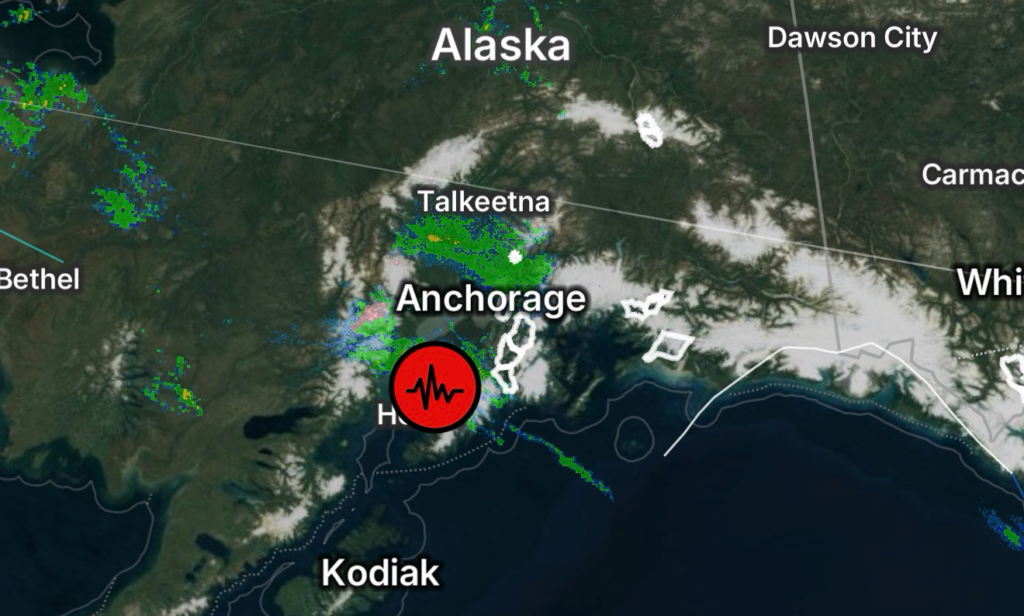
A moderate earthquake struck near Clam Gulch, Alaska, on the evening of June 26, 2026 (AKDT), shaking portions of the central Kenai Peninsula. According to the Alaska Earthquake Center, the earthquake measured Magnitude 4.9 and occurred approximately 8 miles southeast of Clam Gulch at a depth of about 34.2 miles (55 kilometers). The event has been reviewed and confirmed by a seismologist. (Alaska Earthquake Center)
Earthquake Details
- Magnitude: 4.9
- Location: Approximately 8 miles (13 km) southeast of Clam Gulch, Alaska
- Time: June 26, 2026, at 5:15 PM AKDT
- Depth: 34.2 miles (55 km)
- Status: Reviewed by the Alaska Earthquake Center (Alaska Earthquake Center)
Residents across parts of the Kenai Peninsula reported feeling light to moderate shaking. At this time, there have been no immediate reports of significant damage, injuries, or tsunami threats associated with the earthquake. (Alaska Earthquake Center)
Why Alaska Experiences Frequent Earthquakes
Alaska is one of the most seismically active regions in the world because it sits near the boundary where the Pacific Plate is moving beneath the North American Plate. This constant movement creates frequent earthquakes ranging from minor tremors to major seismic events.
Most earthquakes in south-central Alaska occur deep beneath the surface, which can reduce surface impacts compared to shallower events, although stronger shaking may still be felt across a wide area.
Safety Reminder
If you experience earthquake shaking:
- Drop, Cover, and Hold On until the shaking stops.
- Stay away from windows and heavy objects that could fall.
- If outdoors, move to an open area away from buildings, trees, and power lines.
- After the earthquake, check for injuries and inspect your home for hazards such as gas leaks or structural damage.
- Continue monitoring official emergency management agencies for updates and any aftershocks.
Looking Ahead
Aftershocks are common following moderate earthquakes and can continue for hours or days. While most aftershocks are smaller than the main event, residents should remain prepared and review their earthquake emergency plans.
Officials will continue monitoring seismic activity in the region and provide updates if conditions change.