
North Atlantic Area of Interest #1: Tropical Disturbance Being Monitored Off the Southeastern U.S. Coast
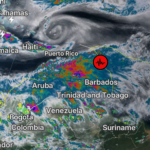
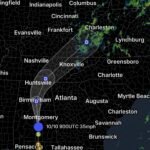
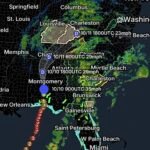
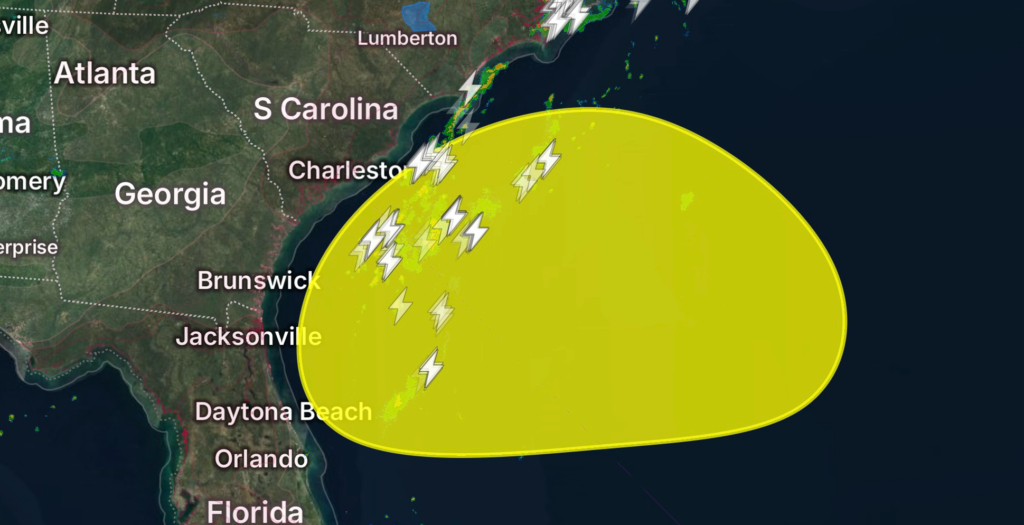
The National Hurricane Center (NHC) is closely monitoring North Atlantic Area of Interest #1, a region of disturbed weather located just off the southeastern coast of the United States. While the system remains disorganized, forecasters say environmental conditions could become somewhat favorable for gradual tropical or subtropical development over the next several days as it drifts slowly offshore.
At this time, the disturbance consists of a broad area of showers and thunderstorms associated with a weak area of low pressure. Although the system has not yet developed a well-defined center of circulation, warm ocean waters and decreasing wind shear may allow additional organization if the disturbance remains over water.
Current Forecast
According to the latest outlook, the disturbance is expected to move slowly near or off the southeastern Atlantic coastline while producing periods of heavy rain, gusty winds, rough surf, and dangerous rip currents along portions of the coast.
Regardless of tropical development, residents and visitors along the coast should remain aware of changing weather conditions throughout the weekend and into early next week.
Potential Impacts
Even if the system never becomes a named storm, it may still bring hazardous weather to coastal communities, including:
- Heavy rainfall capable of producing localized flooding.
- Gusty winds along beaches and barrier islands.
- Dangerous rip currents and rough surf.
- Frequent lightning within stronger thunderstorms.
- Hazardous marine conditions for boaters.
Areas That Could Be Affected
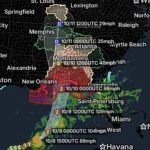
Communities from the Florida Atlantic Coast through Georgia, South Carolina, and portions of North Carolina should continue monitoring updates as the disturbance evolves.
Hurricane Season Reminder
The Atlantic hurricane season runs from June 1 through November 30, and early-season systems can develop close to land with limited warning. Residents in hurricane-prone areas are encouraged to review emergency plans, prepare disaster supply kits, and stay informed using trusted weather sources.
Radar Watch HQ will continue providing updates as new information becomes available from the National Hurricane Center.